
The Isle of Man…with a little about the TT
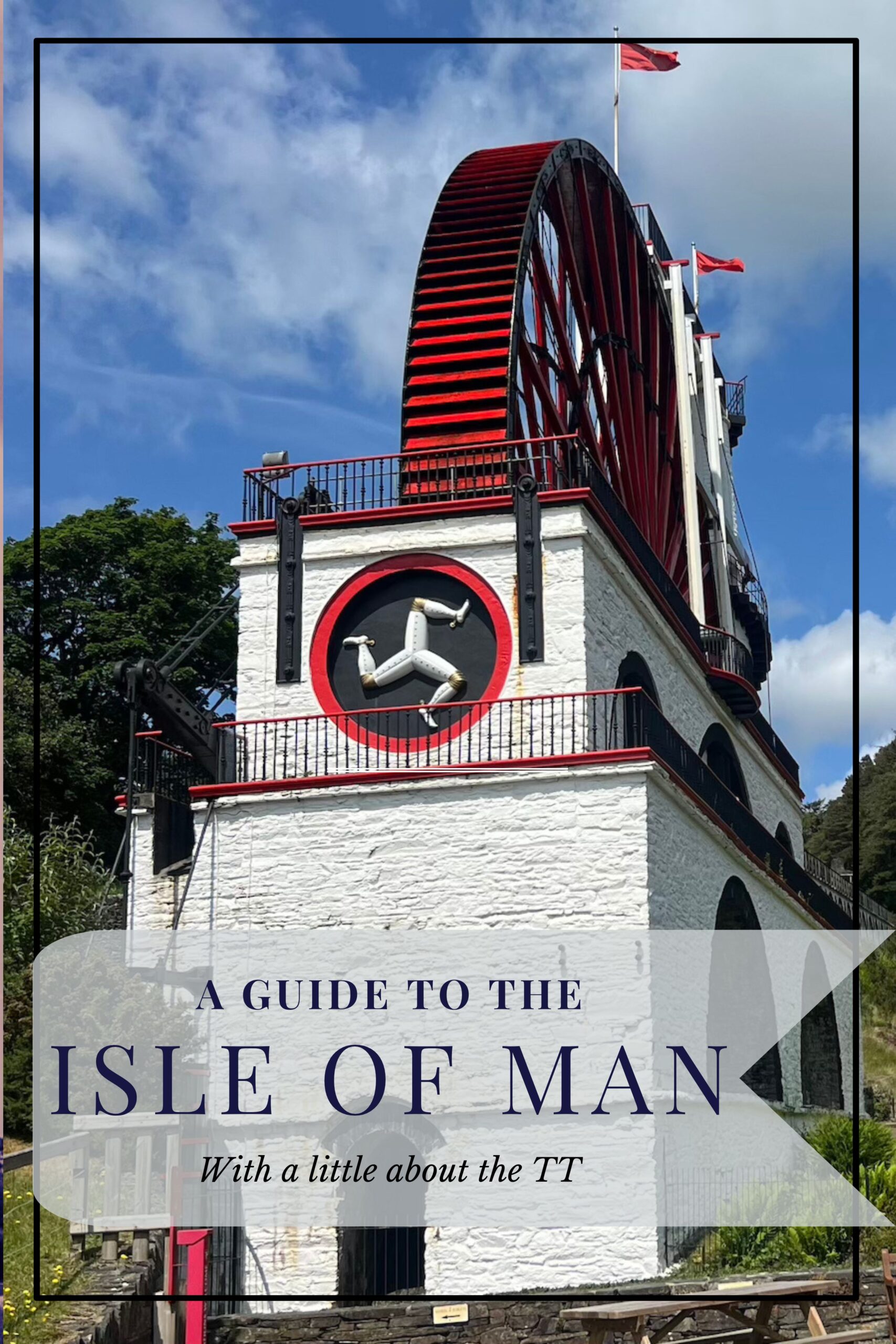
The Isle of Man is a tiny gem tucked into the heart of the Irish Sea, between England and Ireland. It is only 33 miles long and 13 miles wide, with dramatic rocky coastlines and a smattering of sandy beaches. The central mountain, Snaefell, summits at 2036 feet. Rolling hills cascade into agricultural low land and the clear, cold waters.
Overview:
Although it is technically a British dependency, the Isle is self governing, with a strong national identity. Manx culture is rich in folklore, with their own flag and currency (Manx Pound). There is no army on the island as defense and diplomacy is handled by the UK. The Isle of Man has no corporate tax- so shipping firms, crypto companies and other commerce love to base there. This results in the Isle of Man being one of the richest islands on Earth.
Some of the earliest inhabitants of the island were the Celts, who spoke Manx. Norse Vikings brought a Scandinavian style of government, which still remains today. It is made up of the president and legislative assembly and is the oldest continuous parliament in the world. Once a year, Tynwald parliament holds a ceremonial open-air sitting on Tynwald Day, on a 4-tiered earth mound. Anyone can attend to watch the parliamentary procession, which is usually held in July. Irish missionaries began to settle around the 5th century and the island remains 50% Christian today, stemming from the influence of St. Patrick.
The island’s farms produce oats, wheat, barley, turnips, and potatoes, while cattle and sheep graze on the pasture land. The mean temperature ranges from 41* to 58*F, with about 45 inches of rain annually. The Manx cat originated here- a domesticated tailless breed.
Visitors can reach the Isle of Man by taking an approximately 2 hour ferry ride or short flight from England, Ireland, or Scotland.
What to See:
Although it is a small island, Man has a ton to offer! We highly recommend having a car while visiting, as there are so many unique nooks and crannies to visit. However, you can see a lot of the main attractions without a car as public transportation is available. If driving, remember that you will be on the left hand side of the road, and everyone thinks they are a racer during TT week. Aside from the obvious perks, having your own car allows you to drive the whole TT course when the roads are open. This perspective is imperative if you are watching the race, for context and scale. Driving the course in a car at somewhat normal speeds is harrowing enough, until you consider the racers doing 4x that speed on a motorbike! It really brings another layer of appreciation to the whole experience.
Douglas– The capital city is a great place to start an exploration of the island. The Douglas Promenade offers a waterfront walk dotted with shops, restaurants, historic buildings and street art. See the Bee Gees statue and enjoy some Queenies (scallops) at The Fig and Olive. Be sure to stop at the Manx Museum for a dive into the local history. Noble’s Park is a beautiful green space to relax, which doubles as a TT base when the racing is on.
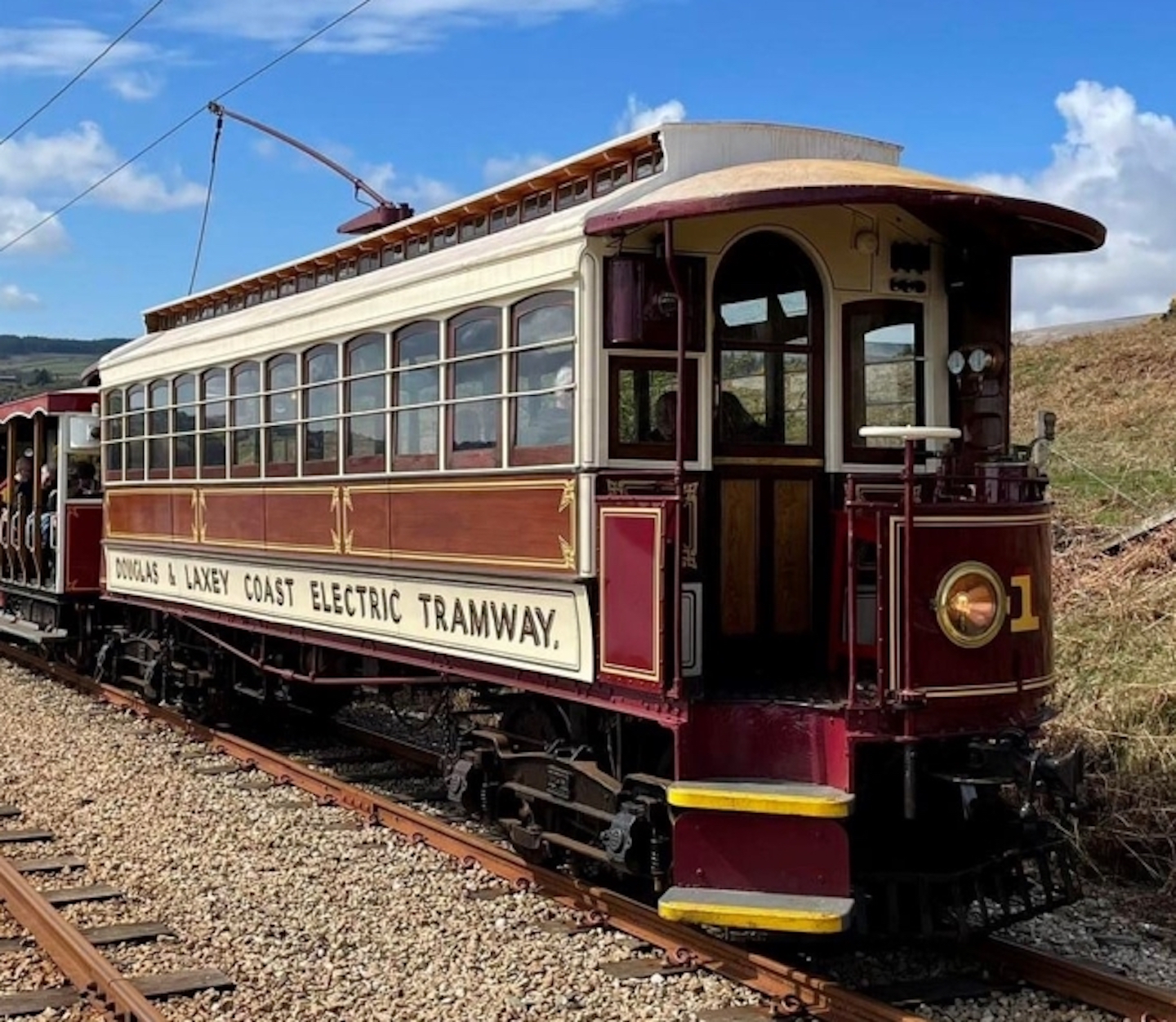
Especially fantasist in Douglas is the opportunity for two unique modes of transportation: the Manx Electric Railway and the Steam Railway. The Manx Electric Railway runs to Laxey and Ramsey on an overhead wire system. It is the oldest continually operating narrow-gauge tramway in the world. Alternatively, the Steam Railway runs south towards Castletown and Port Erin. You can take it to the termination point, or just ride a stop or two and return back to Douglas for a scenic way to spend the afternoon. The Isle of Man railway system opened in 1873, and riding the original Victorian locomotive or wooden tramcar is a rare treat.
If you are driving to Castletown, you must remember to greet the fairies as you cross the Fairy Bridge. It is a family tradition to say, “good day, fairies” to avoid bad luck. Local bus drivers even announce the bridge for passengers to pay their respects, and race fans beseech the little people for safety and success during race week.
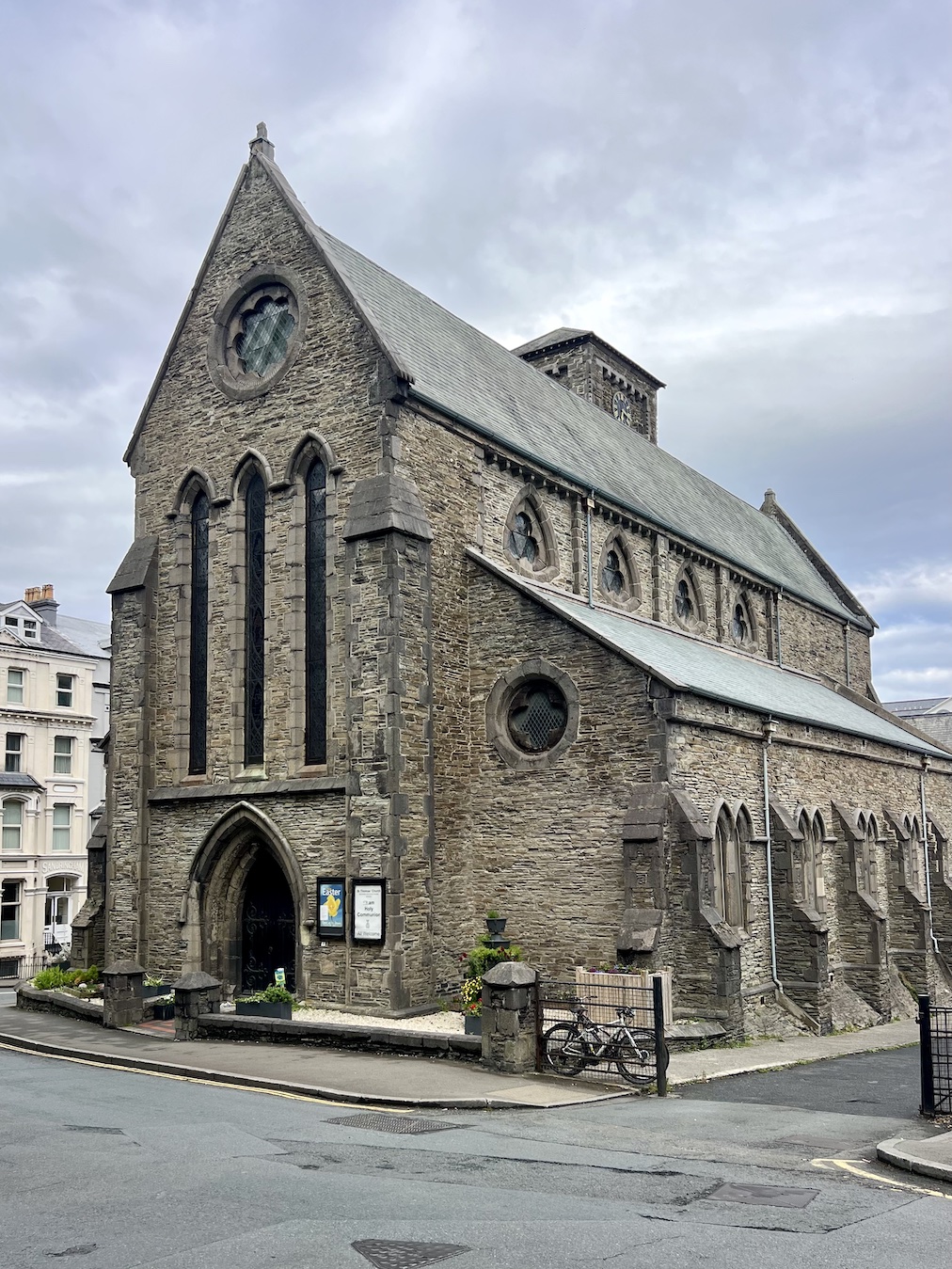
Castletown– As the historical capital of the island, Castle Rushen remains the focal point of this city. The castle was originally the the house of royal families, but later became a prison and then a garrison. It is super interesting to learn about the different layers of history that lived within it’s walls. In addition to the castle, the Nautical Museum tells about the oldest yacht in the world, while the Scarlett Nature Walk offers stunning coastal views and bird watching. The airport is also located in Castletown, so if you are flying to the island this may be your first stop.
Port Erin– This sleepy seaside town offers stunning beaches and fantastic golfing. The nearby Sound and Calf of Man is a great place to watch the Atlantic grey seals, especially with a hot bowl of Chips, Cheese and Gravy from the Sound Cafe. Nearby, there are stone circles from the Neolithic era on the island; Meayll Circle and Cashtal yn Ard. Both are stunning with their grand, curved stone slabs jutting from the earth, and make a nice hike.
Peel- Peel Castle is an 11th century Viking fortress, which dominates Saint Patrick’s Isle, just off the town of Peel. Here you can learn about viking tales, Celtic roots, and the legend of the Black Dog. Peel Beach is a sprawling white sandy beach and can be relaxing on a warm day. When you’re in the area, keep a look out for the wild wallabes, zoo escapees that have made quite a colony on the island. The trails around Close Sartfield are said to be the best place to see these creatures at sunset.
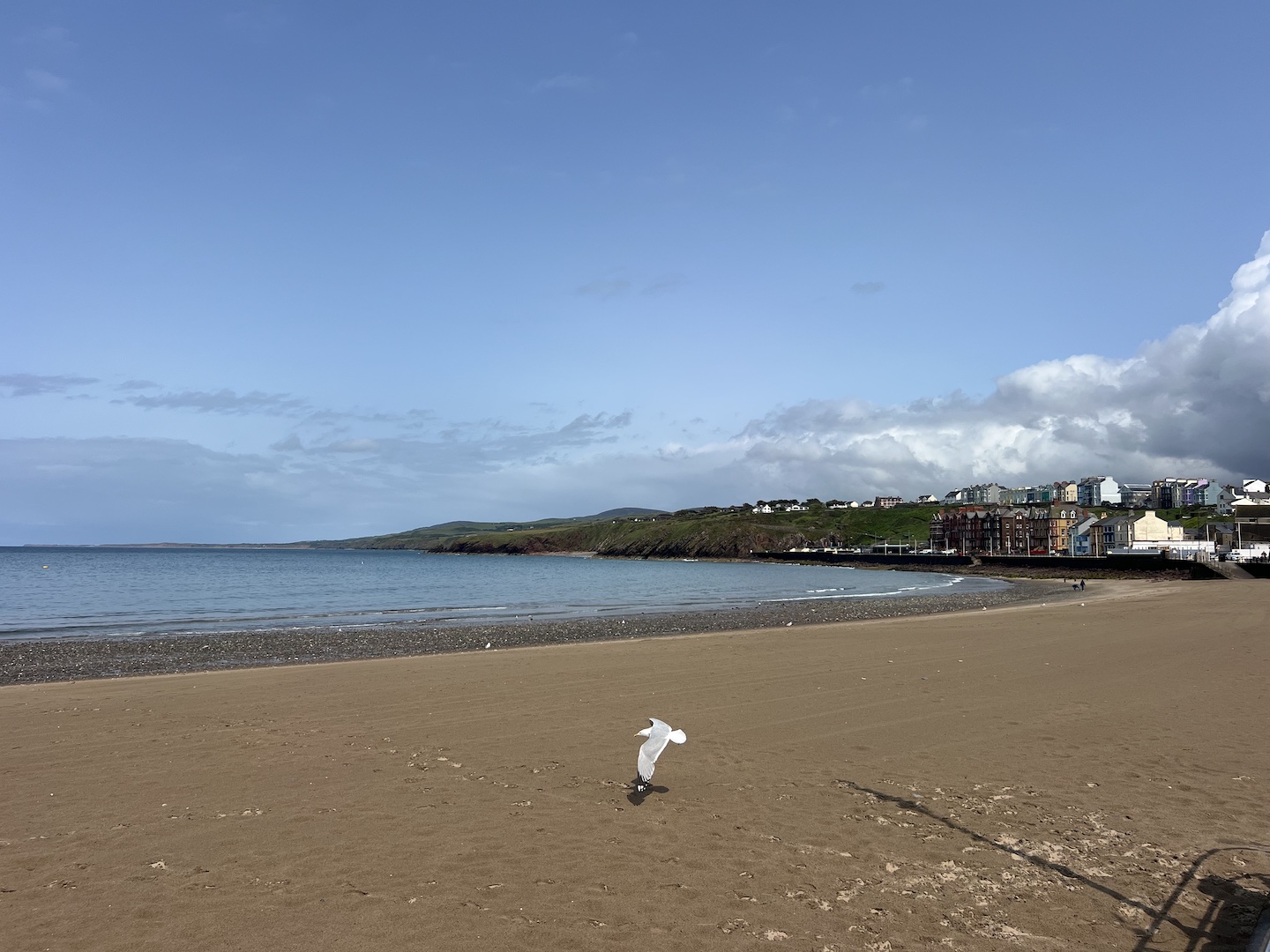
Ramsey– We stayed in Ramsey on our visit with good friends, and so this town holds a special place in our hearts. The crystal clear waters of the bay are said to have stunning underwater topography. I couldn’t even consider putting a toe in the frigid water but if you are more adventurous, go ahead. I can speak to the beautiful nearby hiking trails, bisecting forests and cresting over sweeping vistas. The adorable town is home to quaint shops, yummy restaurants, and a gin distillery- along with hosting several great TT viewing areas!
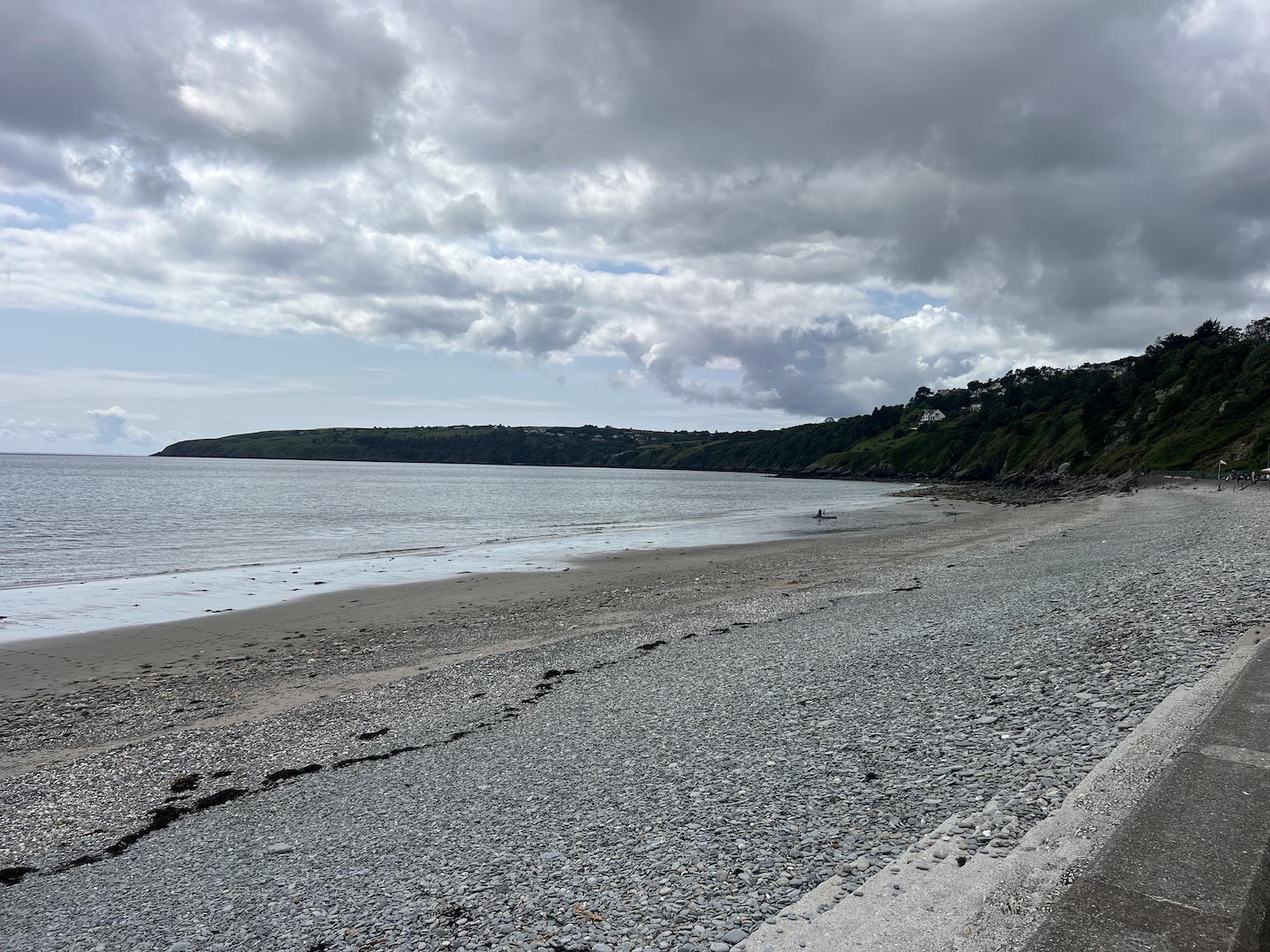
Laxey– completing our circuit of the island is another sleepy coastal town with a long sandy beach. Stop at The Shed and get a meat pie overlooking the tumultuous surf. However, the Great Laxey Wheel, the largest working water wheel in the world, makes this stop unique. Make sure to check it out and consider the educational tour.
The TT:
The Tourist Trophy is widely considered the most prestigious motorcycle race in the world. Since 1907 the roads around the Isle of Man have been closed and used for the 37.73 mile race course. The ‘Mountain Course’ has 219 turns, zooming through agricultural land, climbing to the summit of the island, and launching straight down the middle of urban towns, parallel with stone walls and lamp posts. It is absolutely mad.
The TT consists of one week of practice and qualifying, followed by one week of racing. The racing classes include the Superbike/Senior, Supersport, Superstock, Supertwin, and Sidecar. Races vary between 3 and 6 laps around the course depending on the class. Average lap speeds can reach over 135 MPH, meaning the racers are pushing over 200 miles per hour on some sections of the course! However, what make this race the most iconic is the old school racing spirit. The majority of riders are not professional race teams but grassroots competitors that are honoring a longstanding tradition. Legendary racers and common tradesmen alike come together and participate for the generational glory.
You don’t need a ticket to watch the race from any free viewpoint along the course. You only need to purchase a ticket for a grandstand seat, if you desire. We did not purchase any tickets and in no way did we feel we missed out by making that choice. Field marshals are heavily prevalent throughout the course and they take their jobs seriously. Spectators are not allowed to step on the course, even one toe encroaching is grounds for removal. Rowdy and disrespectful fans are not permitted, although there are numerous opportunities for parties, tailgating, and pubs along the route.
The race is one of the most impactful experiences of Colbys life. We have been to almost every type of motorsport race around the world and this tops them all. The riders are so close, threatening speeds so impossible, you can feel the impact to your bones. The skill and bravery displayed by the riders is unmatched. We wonder how they can even sit astride their bike considering the size of their balls.
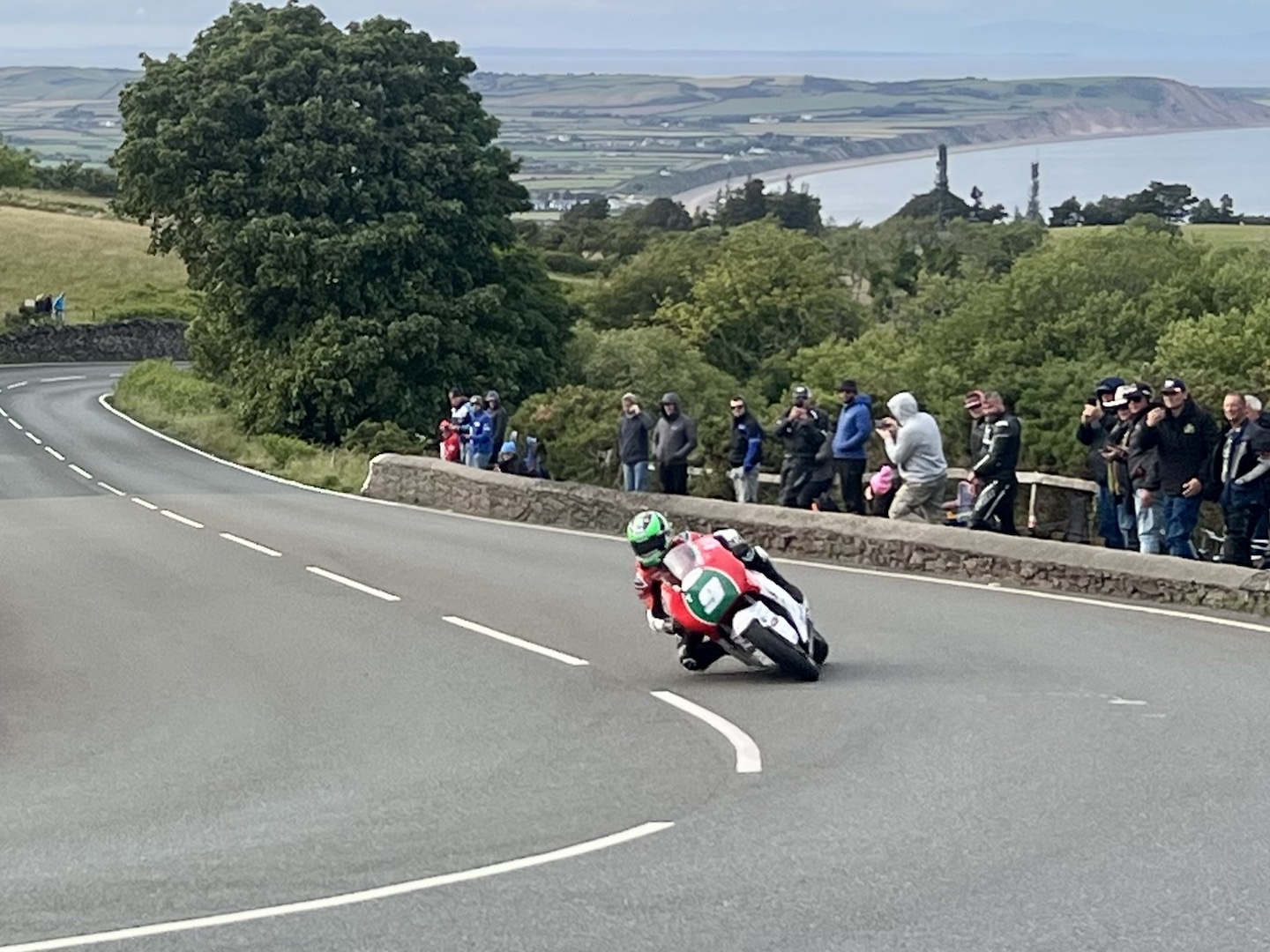
There are so many great places to watch the race, it is hard to even begin. If it is your first visit, here are some ideas listed clockwise around the course:
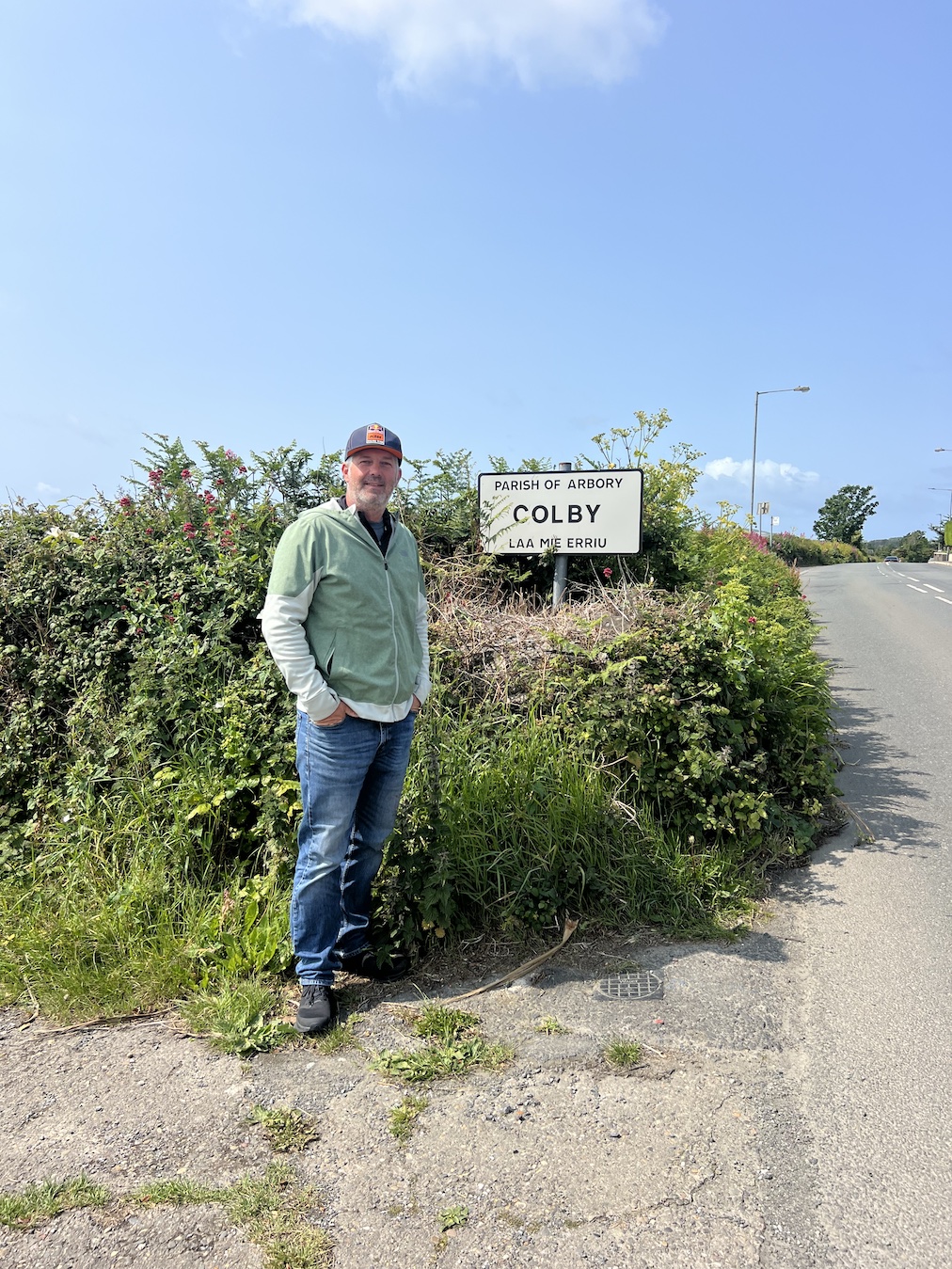
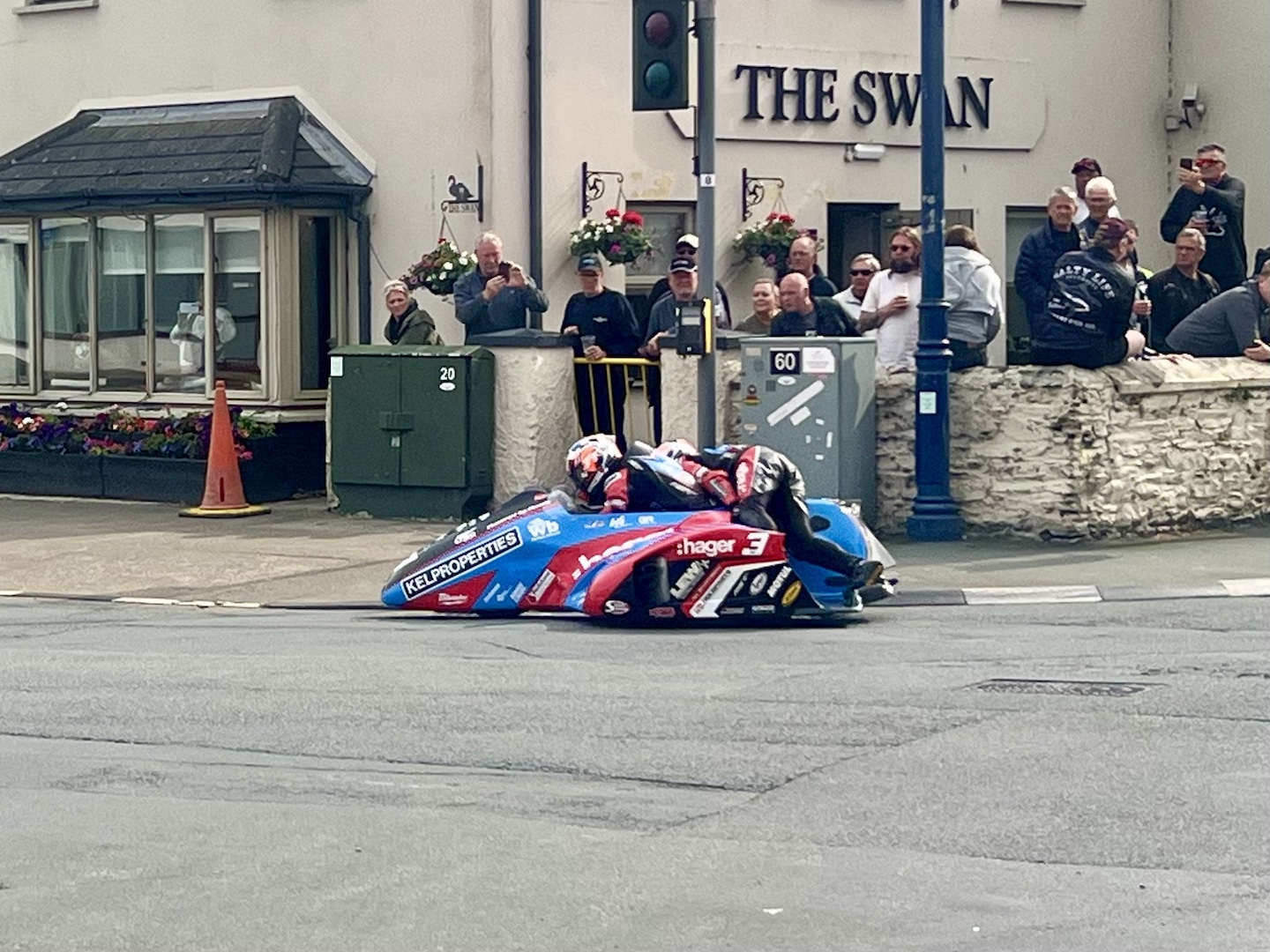
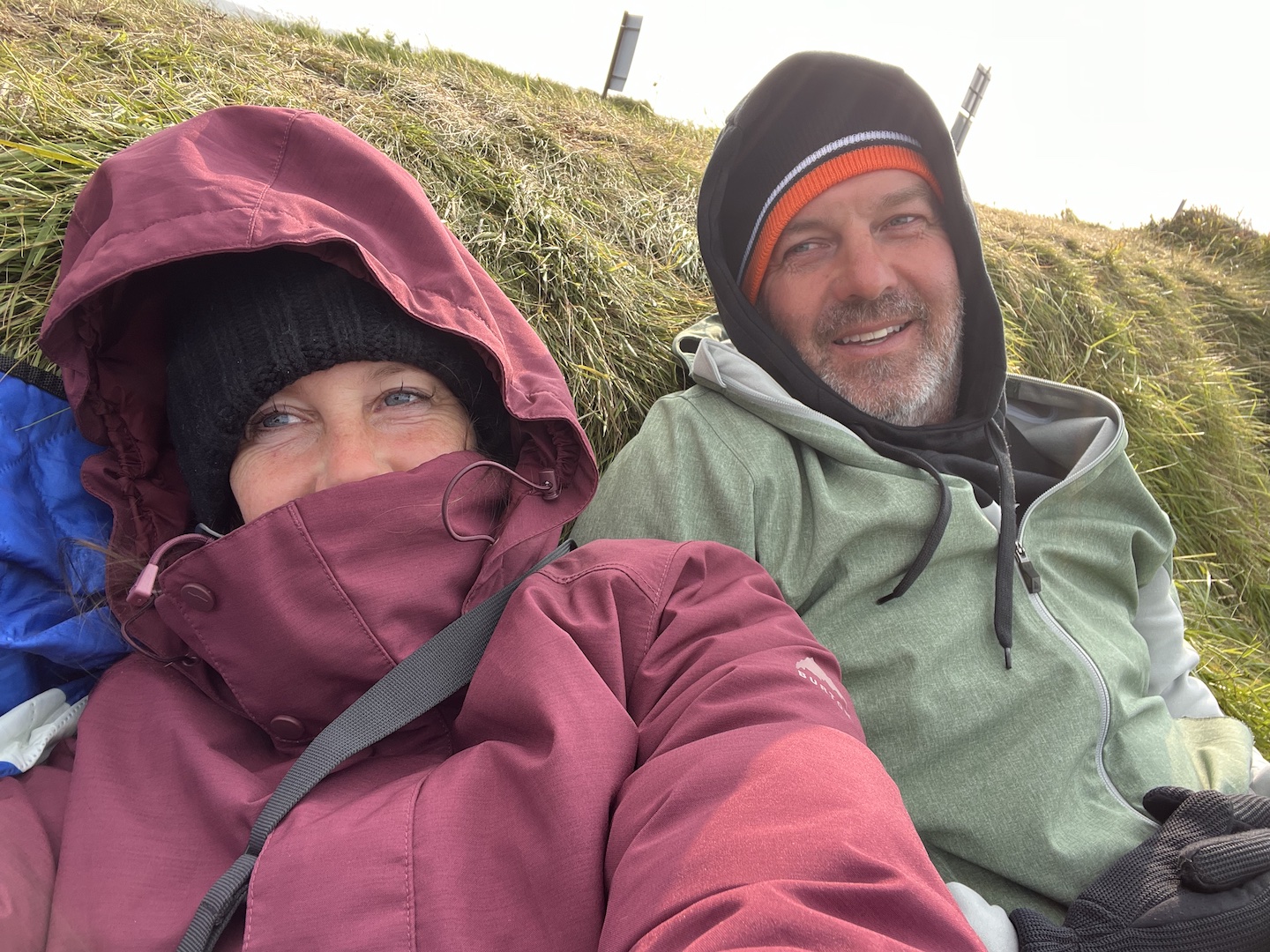
The Start/Finish is best for the atmosphere. Here you can walk the paddock, get up close to your favorite riders, purchase swag, and meet new friends. There are bathrooms, food, and shelter, along with a grandstand for those that need a more bougie experience. Quarter Bridge is popular for the speed and decent after the starting section. Ballaugh Bridge attracts fans for its hump bridge, causing riders to catch air. This is the most photographed section of the course for the mid-air drama. Sulby Straight is amazing because you can see the riders breach over 200mph. However, there is not much to appreciate besides a spec flying by your face. The Ramsey Hairpin is famous for its tight corner, where racers have to slow considerably to stay on course. This allows spectators to get a slow motion view of the riders, bikes, and skill. We especially liked watching the sidecar race in this location as the driver whips their counterpart around the corner (pictured below). The Gooseneck is an uphill section we really liked, heading towards the Bungalow. It includes a view of the winding mountain road and makes for great pictures. Bungalow is a great spot coming up to the mountain peak and sitting at the highest elevation. However, the weather is unpredictable and the view at Bungalow is commonly cloudy, rainy, windy and cold. Creg-ny-Baa is the downhill section after the riders summit Snaefell, and one of my personal favorite spots. There is a grandstand here, and a pub, but the decent and close proximity to the high speed is intoxicating. Especially after hunkering down in a ditch on the side of the road for hours waiting for the race to start (you can see us hunkering in the photo below)!
The entire Tourist Trophy experience is thrilling, dangerous, and demands respect. Even non-race fans are sure to be impressed by the sheer talent and community spirit of the event. Visiting the Isle of Man and not being able to attend at least some kind of race would be a travesty, in our opinion.
The Bottom Line:
The Isle of Man is the original ‘Hidden Gem’. It brings together a pre-historic past and a world-class present. It represents a melting pot culture that triumphed over annexation, and remains true to it’s heritage. Not only surviving, but thriving on the world stage – from finance to racing. The island offers a plethora of activities for any season, and a mild climate for such a northern destination. The community, the locals, and the atmosphere are sure to impress!
More Articles
A Day Trip to Panama City
The Isthmus of Panama is a separation between oceans, the origin of the gulf stream, and a land bridge for migration. Throughout...
The Machu Picchu Guide
Visiting Machu Picchu is everything I ever dreamed it would be- beautiful, historic, and awe inspiring. It is nestled deep in...

Pachamama Hampina Wasi: A Sacred Andean Retreat
A gentle sunrise begins to slowly awaken the world. Birds chirp a welcome to the dawn while lazy cats stretch. The windows of...