
Normandy, France: WWII Memorial Tour
Any visit to France is incomplete without taking the time to appreciate the WWII memorials in Normandy. The sheer scale of the campaign is incomprehensible until you drive from the eastern landing sites to the west, and feel how vast the area really is. Standing on the coast looking out towards the English Channel is an impactful perspective.
The significance of the accomplishments that happened on D-Day, June 6, 1944, changed the course of World War 2 and potentially changed the course of history. Operation Overlord involved over 150,000 troops from England, France, Canada and the United States, making it the largest amphibious invasion in history. Over 10,000 people were reported dead on the first day alone. The invasion took place 5 years into World War 2, at a critical time when the Germans were on the very precipice of total domination. D-Day is important because it marks the beginning of the Allied liberation of Europe from Nazi Germany- establishing a foothold and accelerating Nazi defeat.
The memorials dotted along the Normandy beaches bring history to life. Being a lover of all things history, I could not wait to get my eyes on this region, and it was everything I could have ever hoped for. Being that the region is so vast and complex, I have put together this guide to help simplify the points of interest and their significance.
How long do you need:
Due to the nature of the trip I was on, I was forced to squeeze Normandy into one very long and very full day. This can absolutely be done, if you are used to quick travel and you go into the day already understanding the complex history involved. However, I am sure most people will get more out of their visit by taking at least 2 full days, or up to 4 full days if preferred.
Day 1
The timing of day 1 depends on your starting time and origin point. It is about a 3 hour drive from Paris to the eastern D-Day sites, so it is reasonable to drive from Paris in the morning and see plenty of sites throughout the first day. Alternatively, also stay the night before in Caen or or Bayeux which will allow for a slower morning start.
9:00am: Arrive in Arromanches and get your first look at a D-Day beach. This is a part of Gold Beach, which was taken by the British on June 6th. Sections of the original artificial harbor constructed by the allies can still be seen from the cliffside, and makes a poignant backdrop. Next, visit the Arromanches 360; a 20 minute film that summarizes the battle of Normandy from the vantage point of British, Canadian, German, American and French troops. If you do not know a ton about WWII or D-Day history, this is a fantastic way to start your historical tour, so you can understand what you are looking at for the next couple of days. The museum usually opens at 10am and you should try to get the first viewing of the day.
11:00am: Longues-sur-Mer Battery: A German coastal artillery battery between Gold Beach and Omaha Beach. This may be a lesser visited site, but it is special because it has 4 rapid firing 152mm German navy guns on display. It is only a short 15 minute drive from Arromanches and its open 24 hours.
12:30pm: Museum of the Battle of Normandy in Bayeux: this is a comprehensive museum with a low admission cost, worth the stop. It is only about 20 minutes from the previous two destinations and you might spend about an hour here. In addition to the museum, Bayeux is a good place to get lunch. If you are running short on time, and need to cut something out, this museum could be compromised for some of the other stops on the list.
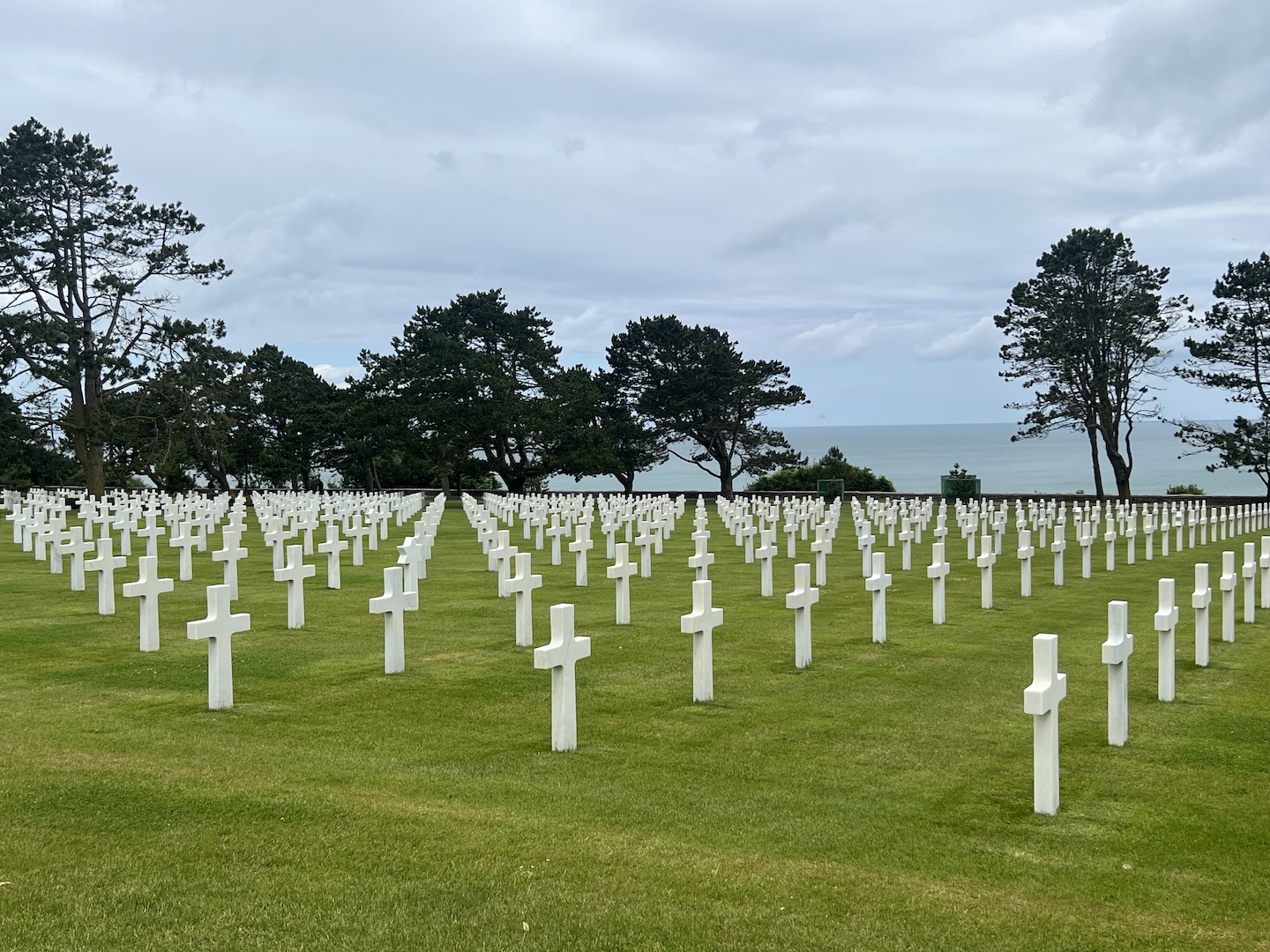
3:00pm: Normandy American Cemetery. Another 20 minute drive brings you to …. Dramatic cliffside give way to a moving visitor center, dramatic reflecting pool and beautifully maintained grounds.
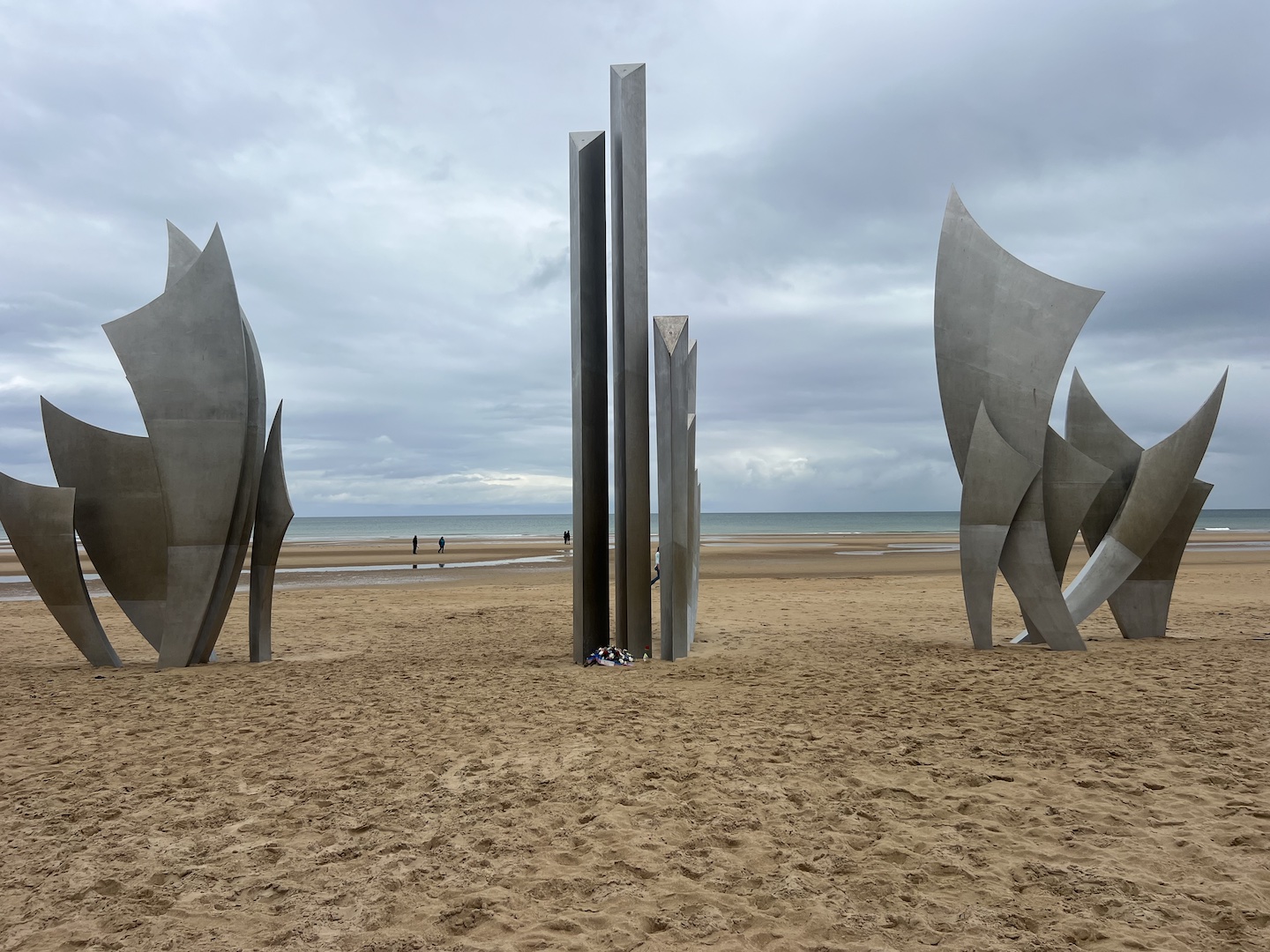
5:00pm: Omaha Beach: Just a couple of minutes away is the famous beach where American troops landed on June 6th. There are some stunning memorials dotted along the seemingly endless sand, and you can just feel the true vastness and achievement from the shore. It is a somber stop as you contemplate the heavy casualties and heroism displayed here.
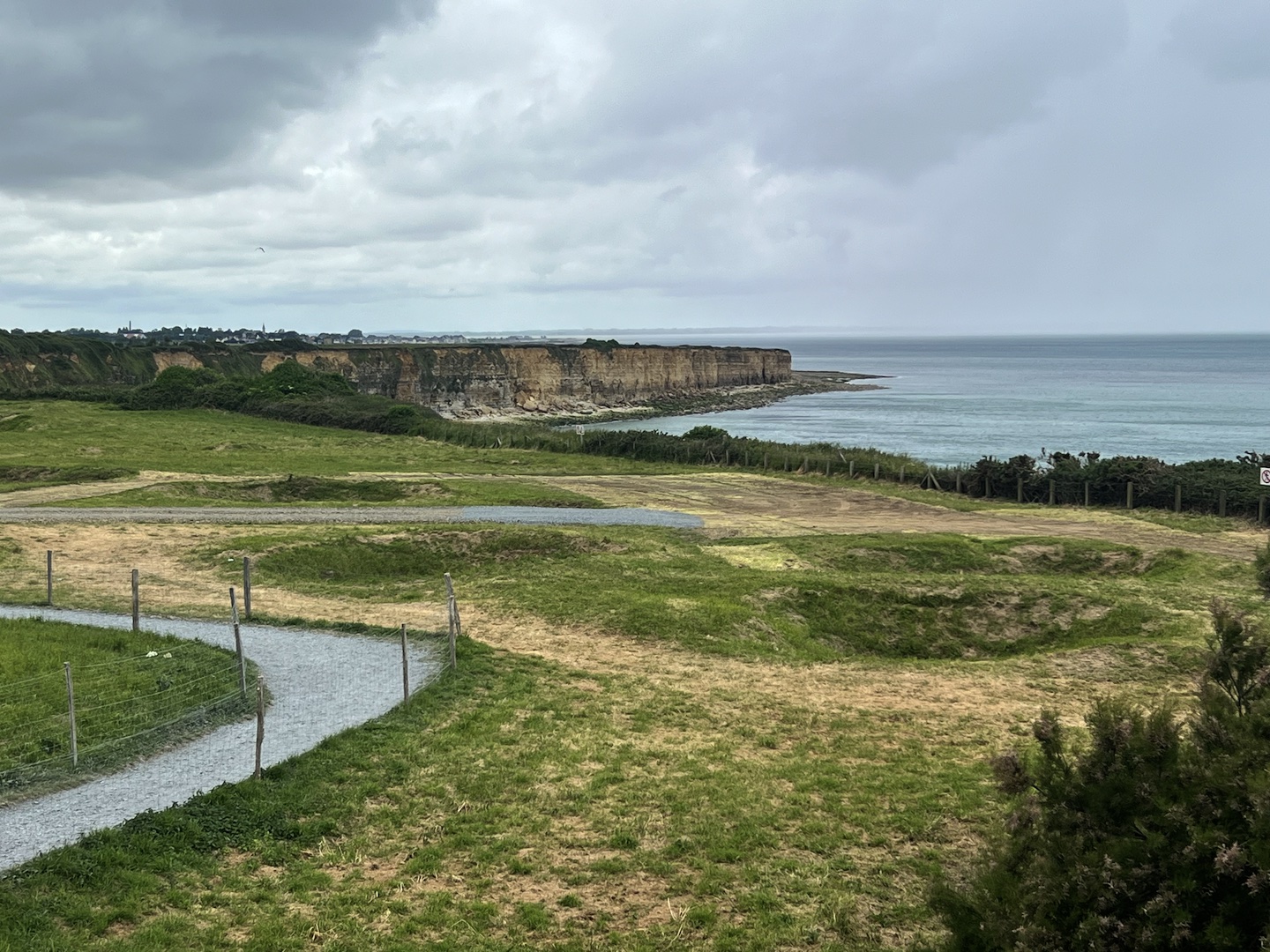
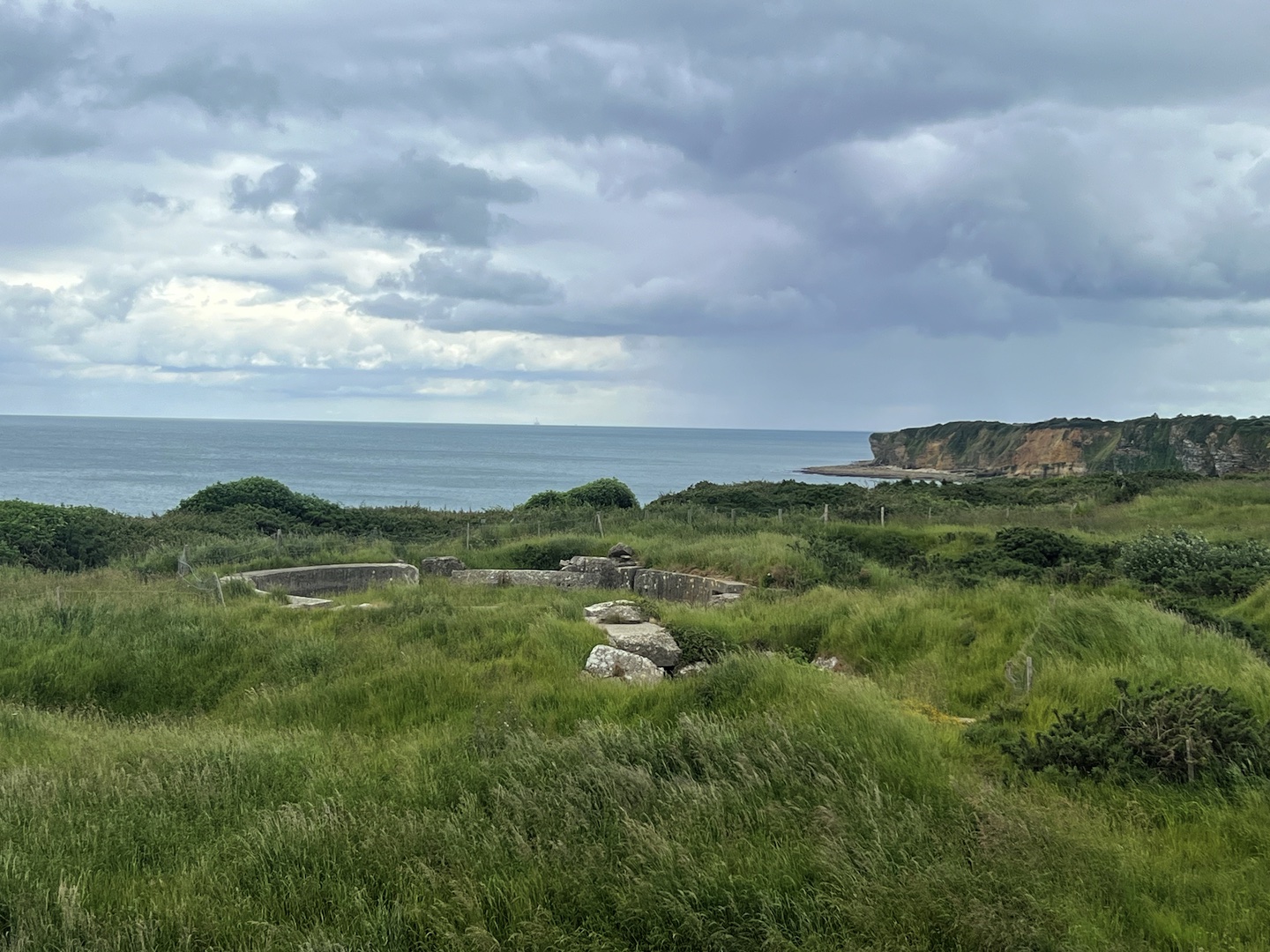
6:00pm: Pointe du Hoc: A German clifftop fortification with bomb crater remnants. US Army Rangers scaled the cliffs here under heavy fire, overtaking the fortification as a major underdog. It is sobering to imagine the courage and strength it took to accomplish this.
This is a great place to end the day. Unfortunately I can’t recommend any places to stay overnight, but there seem to be a few around Carentan-les-Marais. Anything near there or geographically located between Omaha and Utah Beaches should work well.
Day 2:
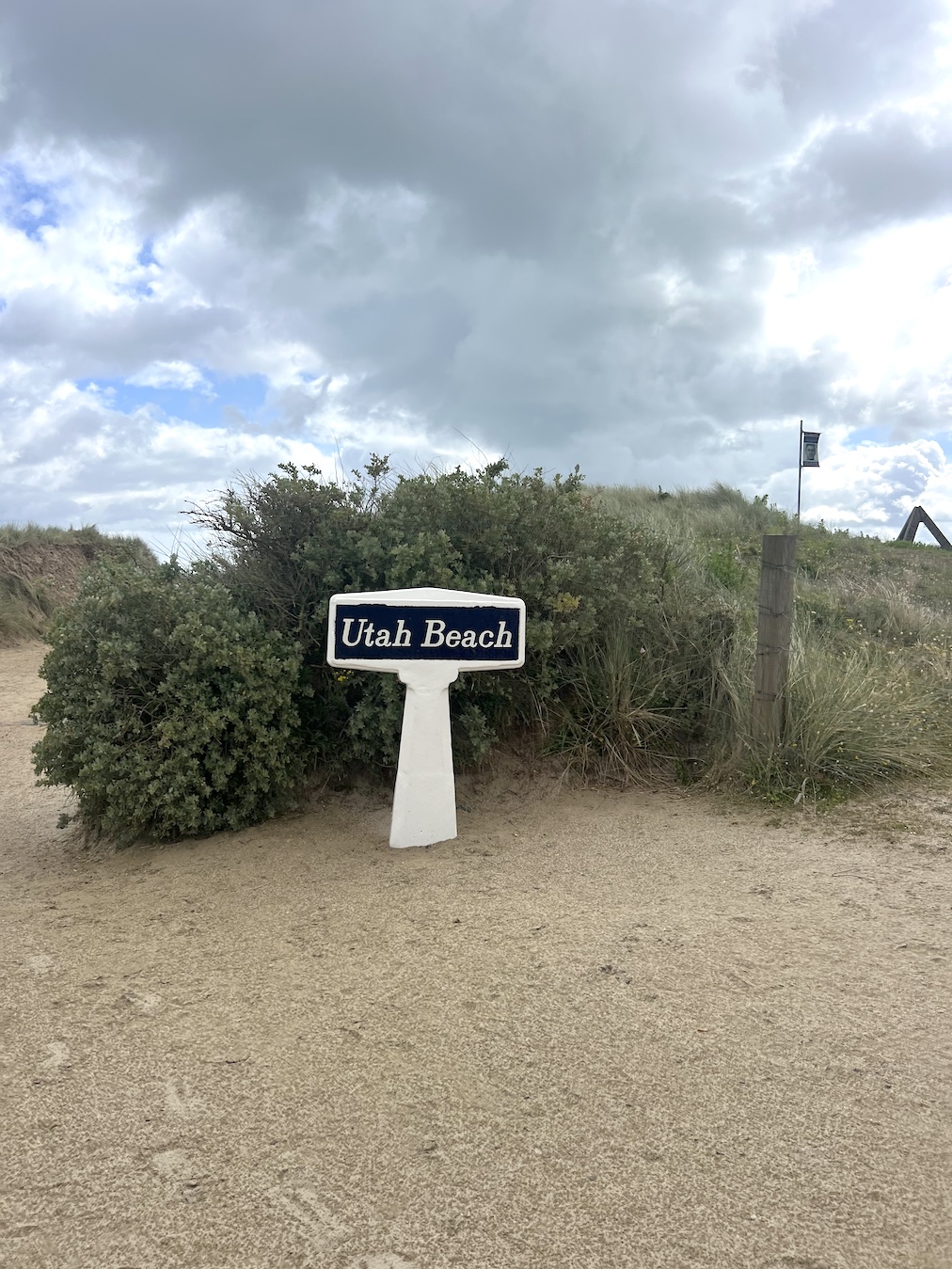
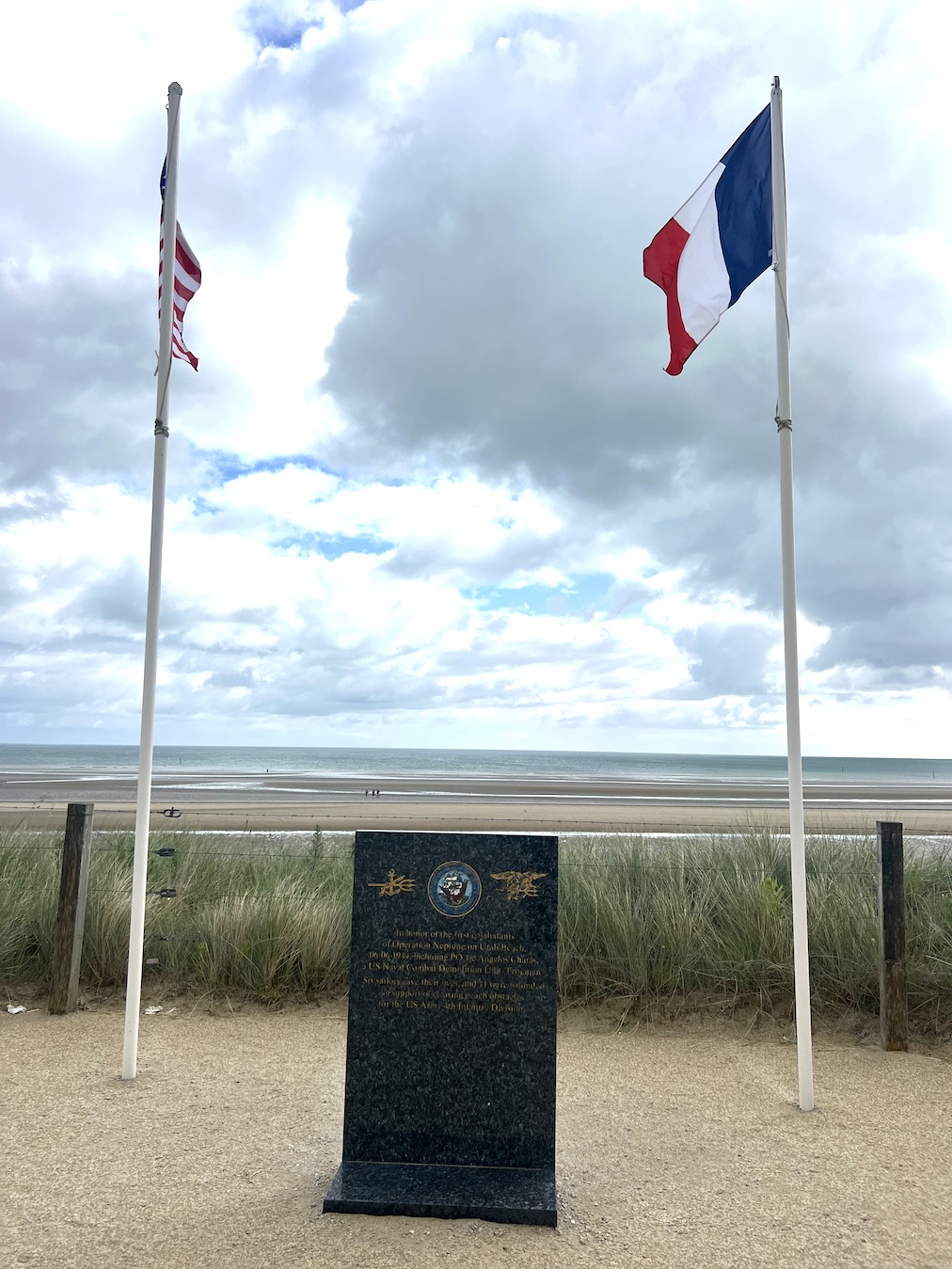
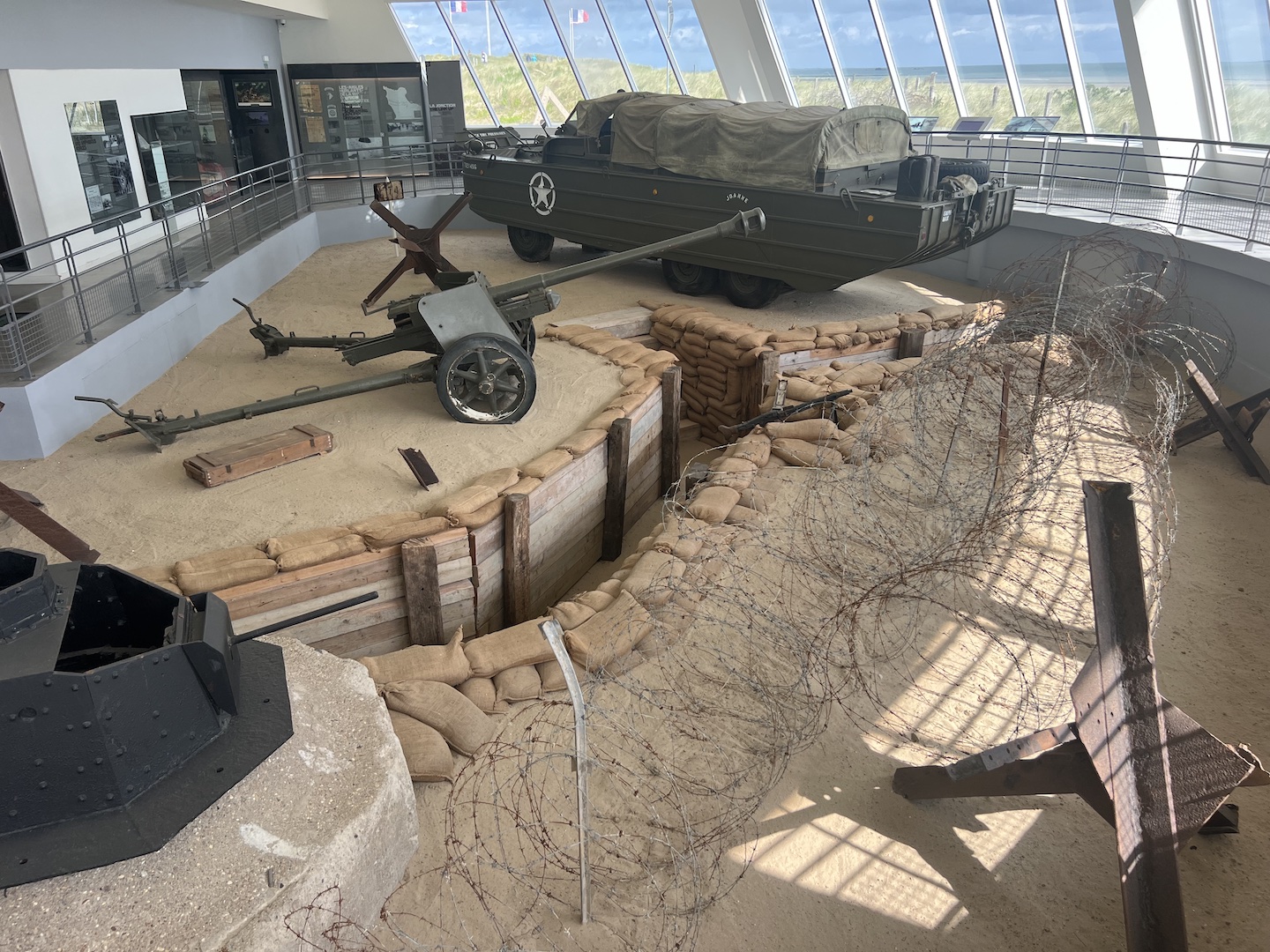
9:00am: Utah Beach Memorial and the Museo Du Débarquement Utah Beach: This was one of my favorite spots because the museum was laid out well and it gave a lovely panoramic vantage point from inside and out. The museum is set inside of an original German bunker, and one of the last remaining B26 bombers in the world is on display, which is a pretty big deal. The beach hosts several well done memorials, and if the weather is nice it’s a great place to sit and ponder all that you have learned so far.
11:30am: Crisbecq: The first cannon shot was fired here at dawn on June 6, 1944; D-Day had officially begun. Crisbecq is a collection of 22 underground blockhouses, trenches and tunnels that are very well preserved. Aside from the cannons, you can also see the kitchen, barracks, ammunition bunkers, and more.
2:00pm: Avranches: Something we have not really discussed thus far, is that the Battle of Normandy went on for many months beyond D-Day. To understand more of the scope and significance of the campaign, Avranches is your next stop. Its a bit of a trek south, more than an hour, but brings your understanding more full circle. Avranches is located at basically a logistical bottleneck, where German forces were finally defeated. This allowed for more quick moving warfare and a pivotal stronghold that led to the liberation of France. Visit Place Patton and the Art and History Museum for an in-depth look at Operation Cobra in the region.
4:00pm: Pontaubault Bridge: nearby, find the stone bridge that survived the German bombing and allowed the allies to cross the Selene River. Over 70,000 troops were able to cross the bridge in 72 hours, catching the Germans in a major flanking maneuver that helped take Paris.
Additional Points of Interest:
Bonus stop: Since you will be so close, Mont-Saint-Michel is a fantastic historical stop to add to the region. This is an extraordinarily fortified abbey located on its own little tidal island that was an important medieval pilgrimage destination. Perhaps you can see it the morning of Day 3, before heading onward in your travels.
If you have extra time in the morning of Day 1, or on Day 0 upon arrival to the area, I recommend the following: Visit Juno Beach where the Canadian troops landed, and cross Pegasus Bridge, which was captured by British airborne troops at midnight prior to D-Day.
The Normandy region is a living legacy to the heroism and sacrifice made by so many young people to fight for the freedoms we enjoy today. Their courage at a pivotal time in history, despite the size of the undertaking, is remarkable. The region is stunning, the patriotism is fierce, and the history is tangible. There are several other great things to experience in the region, not related to World War 2, if you have more time. So pack your bags and get ready to deepen your understandings and shake your perspectives.
More Articles

Pachamama Hampina Wasi: A Sacred Andean Retreat
A gentle sunrise begins to slowly awaken the world. Birds chirp a welcome to the dawn while lazy cats stretch. The windows of...

Where to Stay in the Sacred Valley
Peru is an incredible biodiversity hotspot due to it’s variety of ecosystems. There are costal deserts, fertile valleys,...

Amak Iquitos: Peru’s Ultimate Eco-Lodge Experience
A visit to the Peruvian Amazon River starts in the city of Iquitos. Located in the north-east corner of the country, Iquitos is...