
New Zealand: North Island
I find New Zealand history fascinating. Due to it’s geographical location, New Zealand was one of the last land masses on Earth to be settled by humans, only about 750 years ago. It is a sharp contrast to neighboring Australia, which is believed to have one of the oldest civilizations on the plant, founded over 65,000 years ago! The vast difference is astounding. The deep treacherous waters surrounding New Zealand meant explorers needed more advanced maritime equipment to be able to travel longer distances without “island hopping.” Later, European explorers deemed New Zealand too inconvenient to settle as there were no defined trade routes in the area. Therefore, the indigenous Maori peoples (descendants of Polynesians) thrived un-bothered for hundreds of years longer than Australia or other nearby land masses. When settlers from England did finally arrive and colonize around 1840, trader, whalers, missionaries and adventurers finally began trickling in. Although the next 100 years would prove to be hostile between the two peoples, the indigenous culture retained many of its roots. Today, the Maori language, customs and identity thrives throughout the country. This duality can be seen in the media, on street signs, in parliament, and through sports teams and other national symbols. New Zealand is a beautiful country, lush and green, with rolling hills and plentiful agriculture. The people are so hospitable and everyone we met throughout our stay was a delight. New Zealanders are known as Kiwi’s, which derives from the Kiwi bird, and was an emblem on soldiers uniforms during World War I. New Zealand has so much to offer recreationally, from hiking and biking to surfing and fishing. It can be very expensive to visit, especially the cost of food and tourist visas, compared to other countries. Despite the expense, we loved our trip to New Zealand’s North Island and highly recommend some of our favorite things:
The Glow Worms
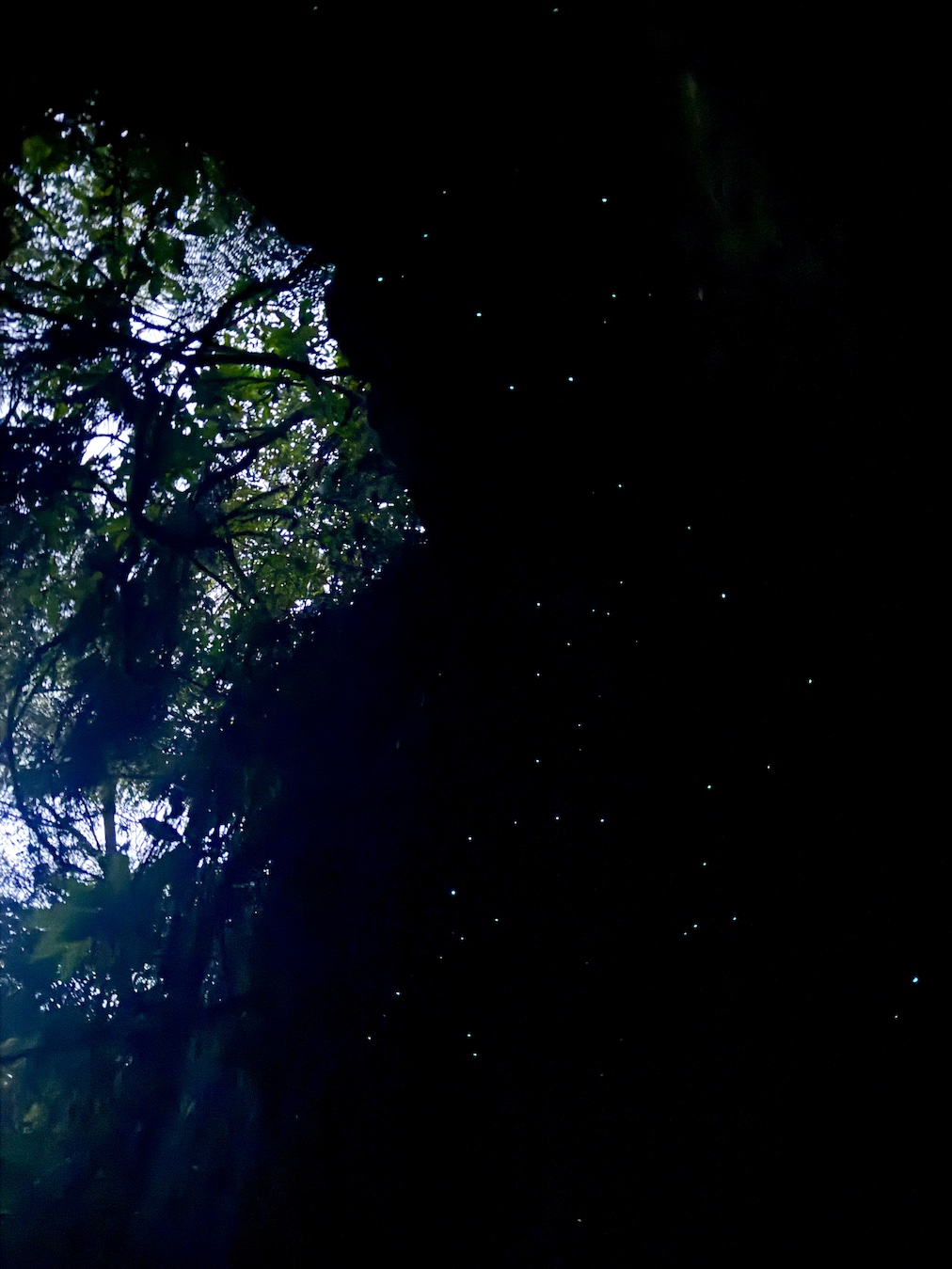
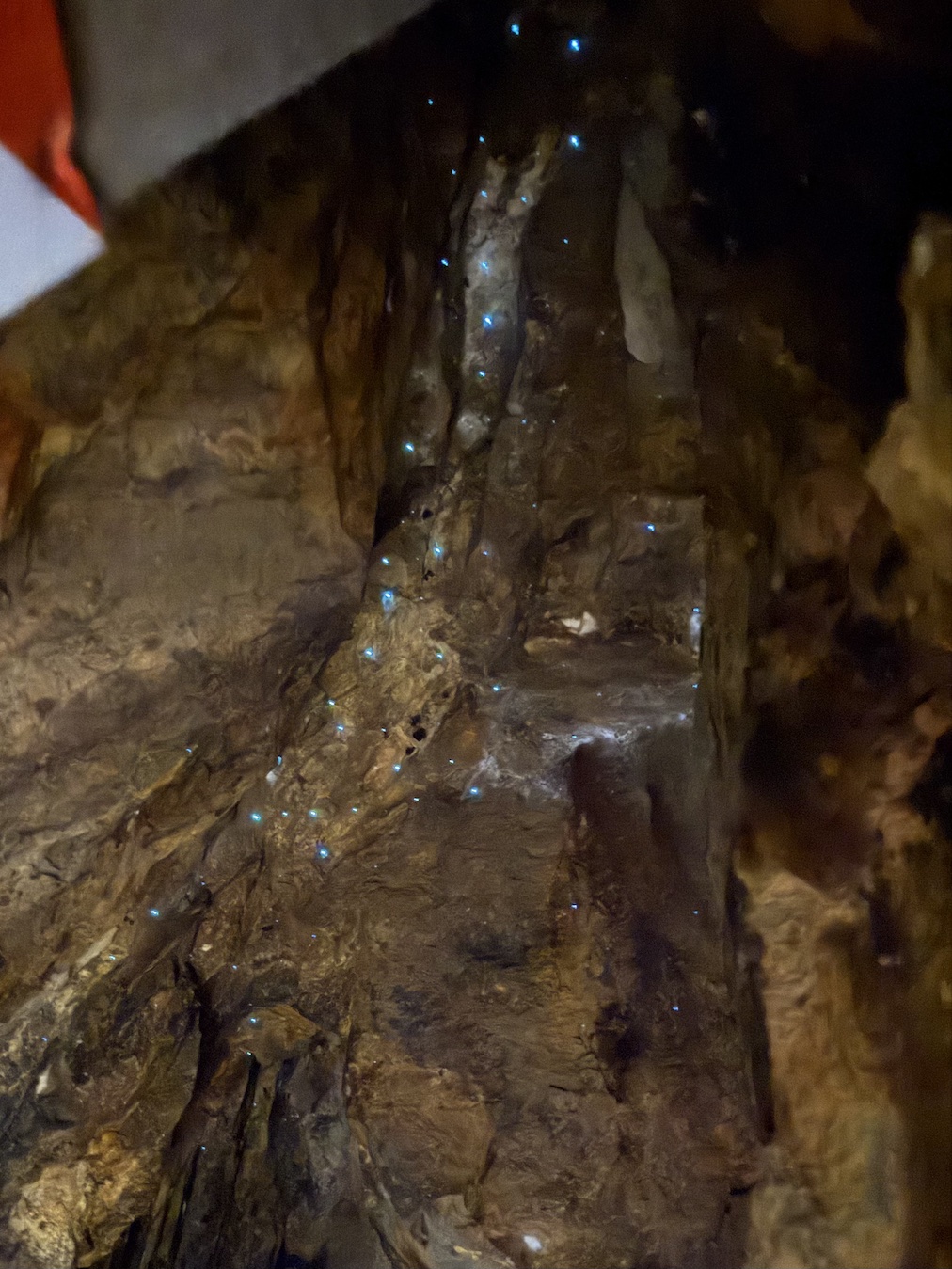
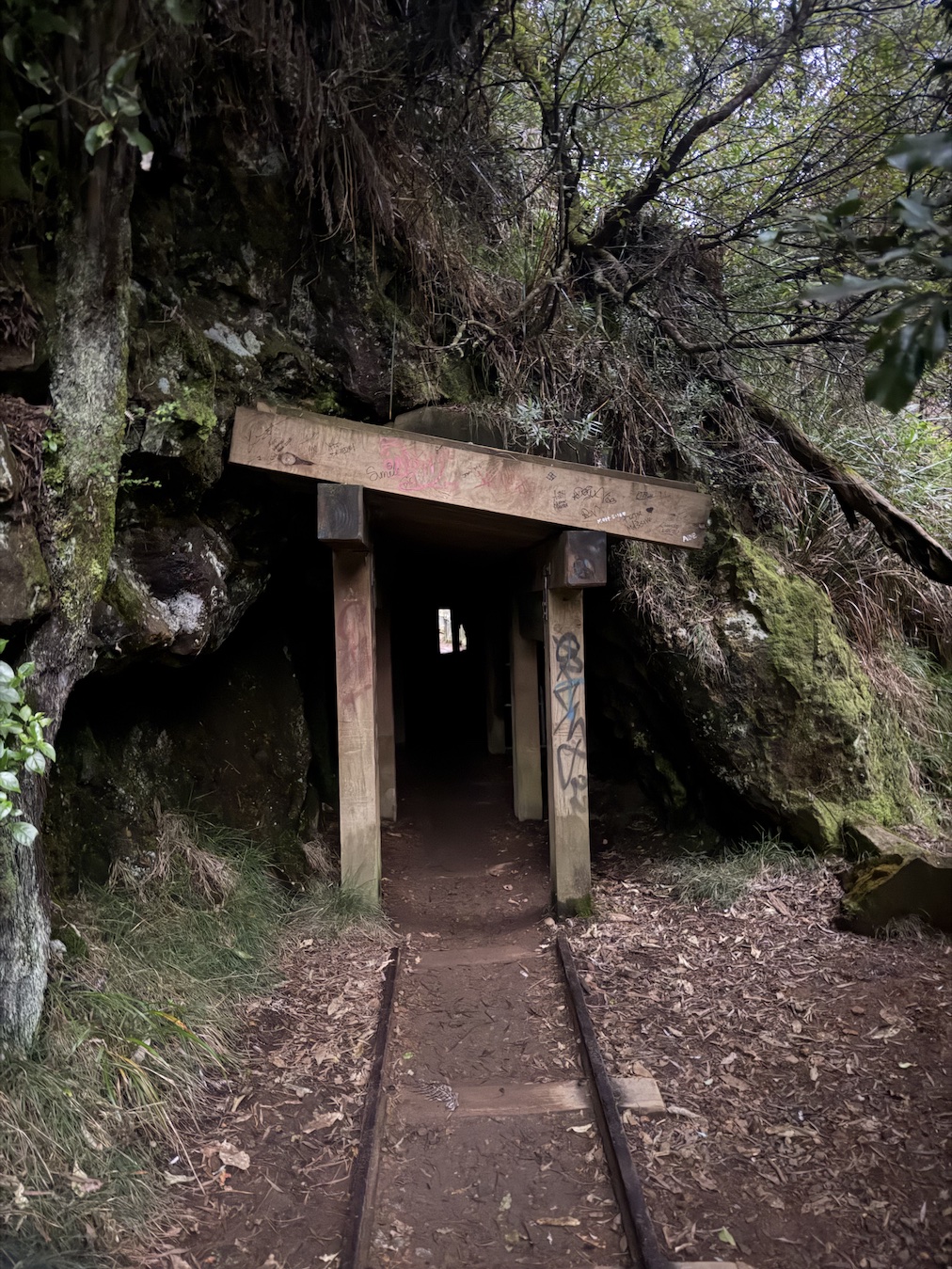
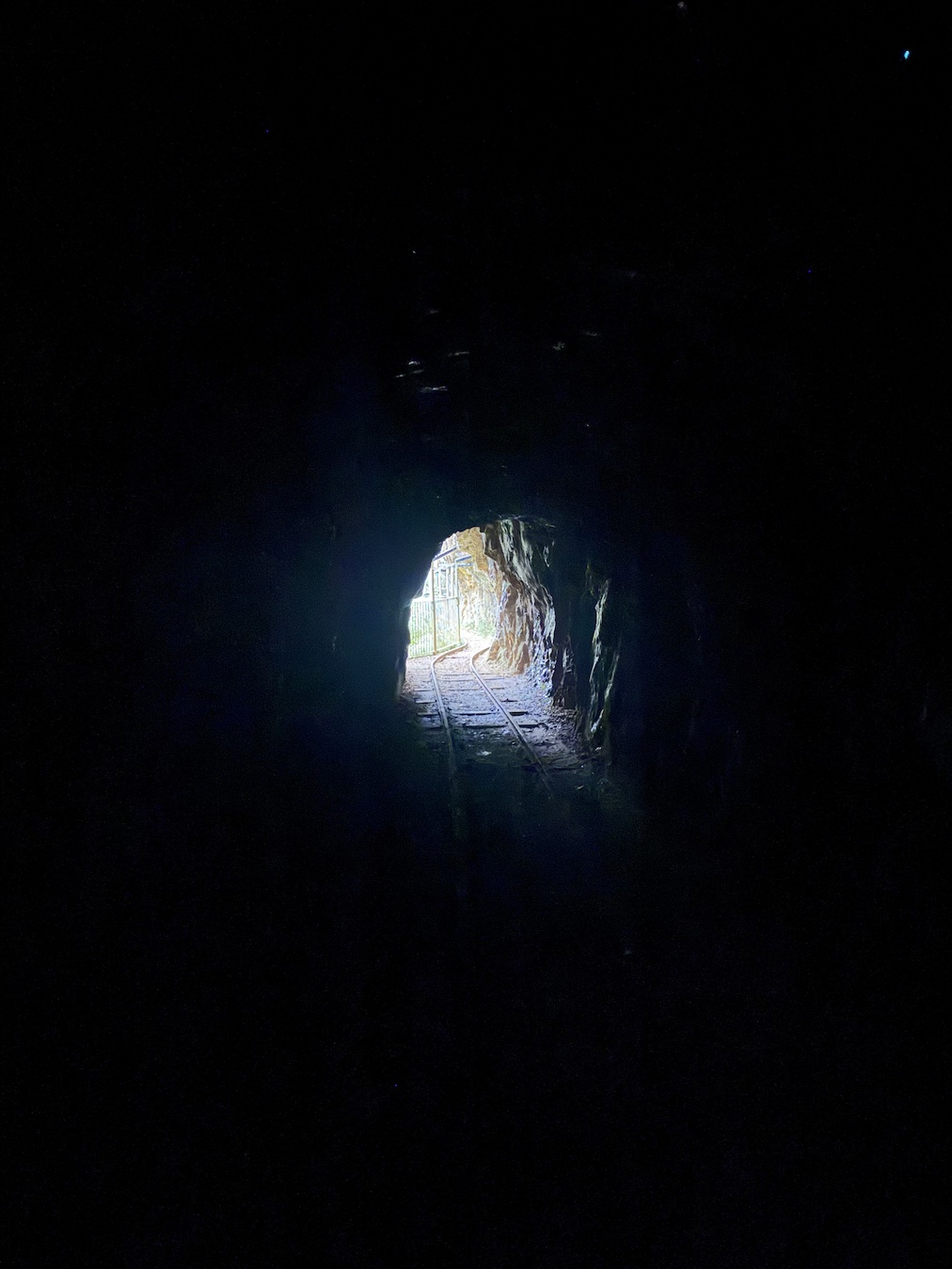
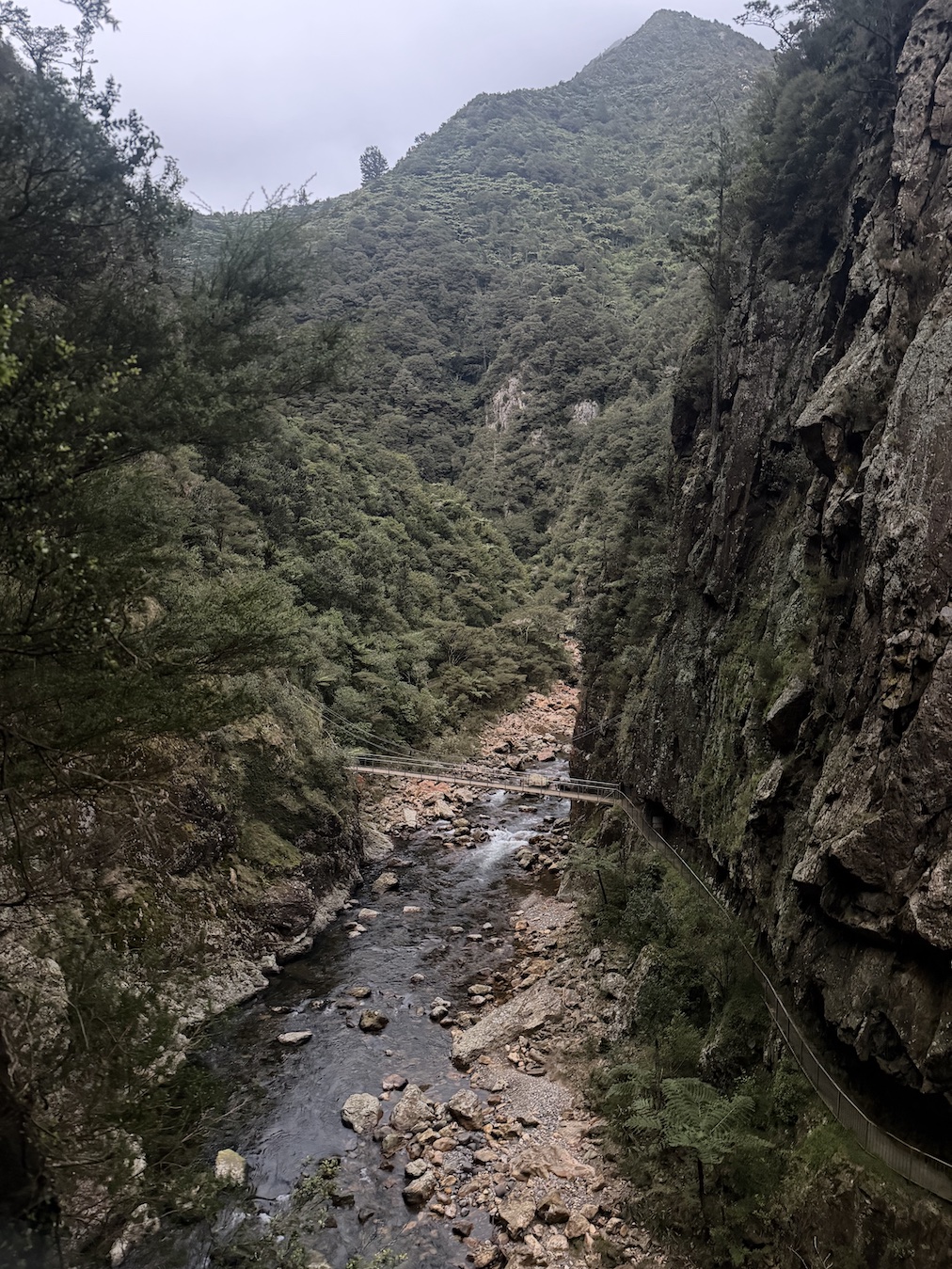
Bioluminescent species can be found through the world, either on water or land. However, the unique species of glowing worms in New Zealand are endemic to this region only, and can be found abundantly in dark and damp areas. The glow worms are actually a type of fungus gnat or fly, not really worms, but that’s ok. A chemical reaction releasing energy causes them to light up to lure insects into their web. We really enjoyed searching for them in caves and tunnels in the Karangahake Gorge. We took the Windows Walk around dusk, which brought us across suspension bridges and alongside old mining tracks until we reached the abandoned tunnels. Even without full darkness outside, the glow worms exploded along the ceiling of the tunnels in a smattering of blue lights reminiscent of stars in the sky. It was exciting to discover them as we wound through the creepy, dark tunnels.
Zorbing
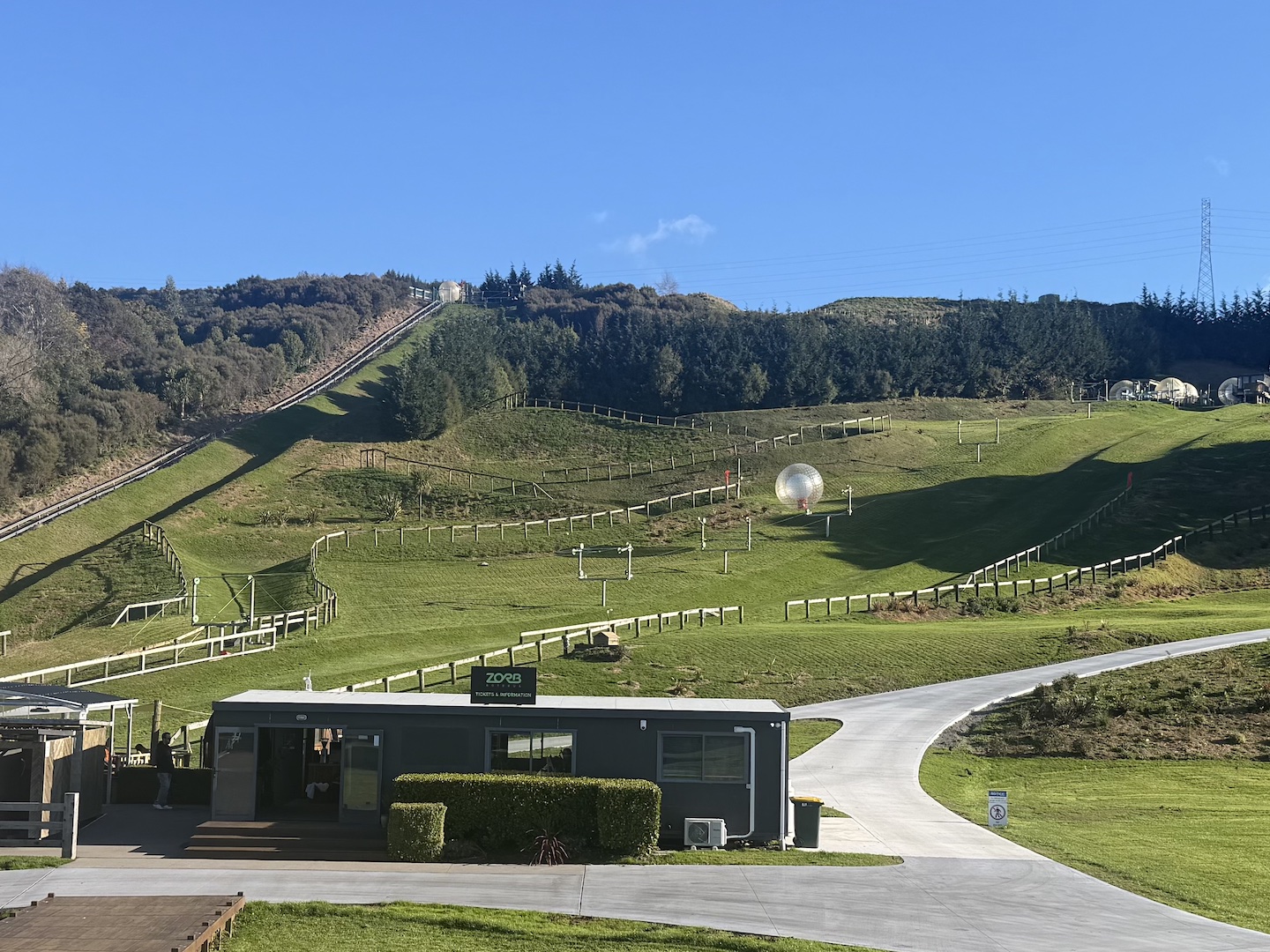
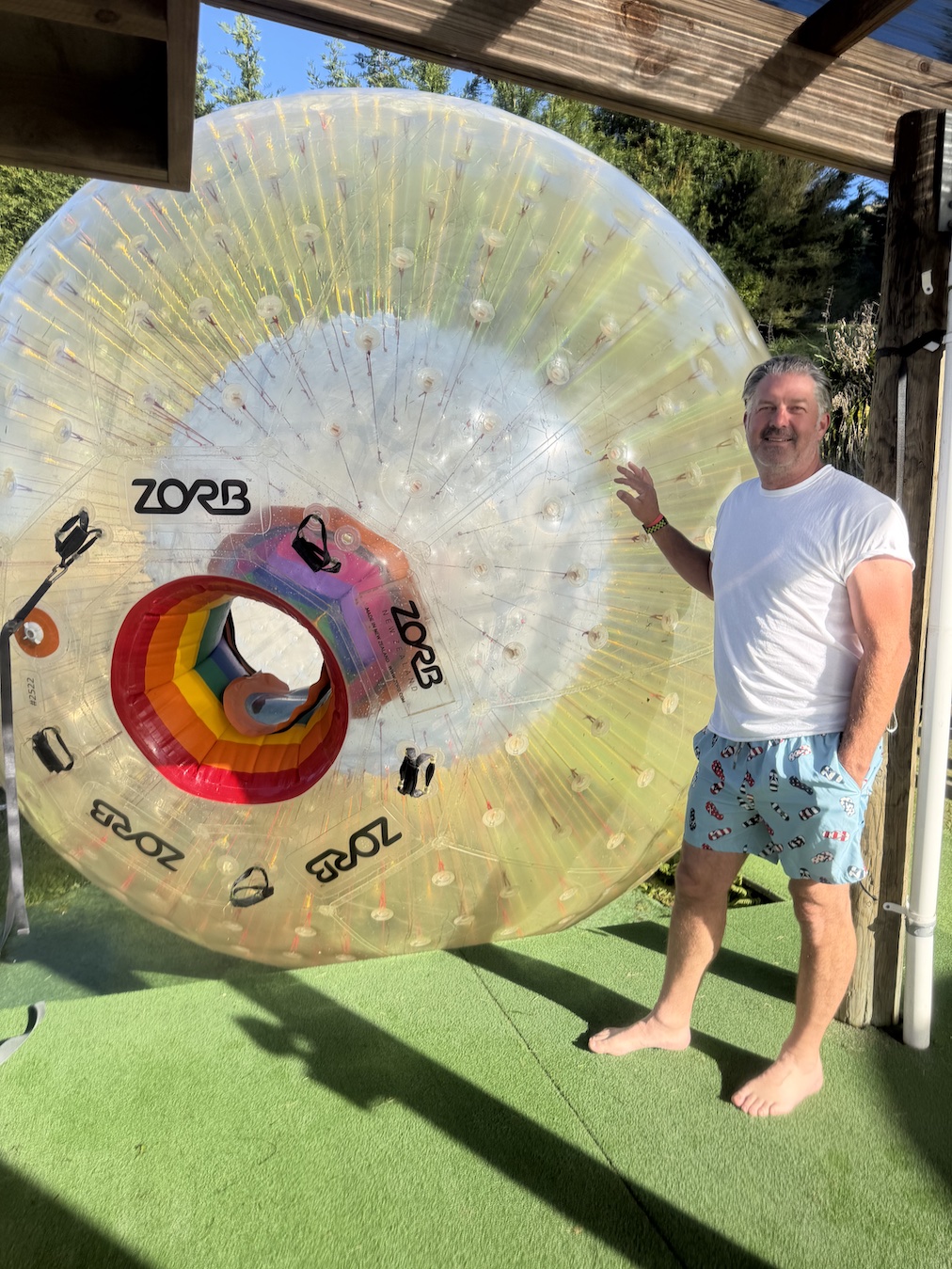
The activity of Zorbing was invented in New Zealand in 1994. A human sized double walled ball is filled with a bucket of warm water, and rolled down a hill up to 30 miles her hour, with the human inside. The whole ordeal only lasts about two minutes but it is childlike and unique to roll in a life sized bouncy ball down a grassy hillside. I chose the track that zig zagged a few times before plummeting down a steeper section. I spent a fair amount of time being tumbled around like clothes in a washer, and then absently wondered if I should be worried about the speed I started picking up at the end. Blessedly, the ball stopped as planned and I was unceremoniously dumped back on the earth along with the bucket of water I had been sitting in. We got a good laugh out of it.
Waihi Beach
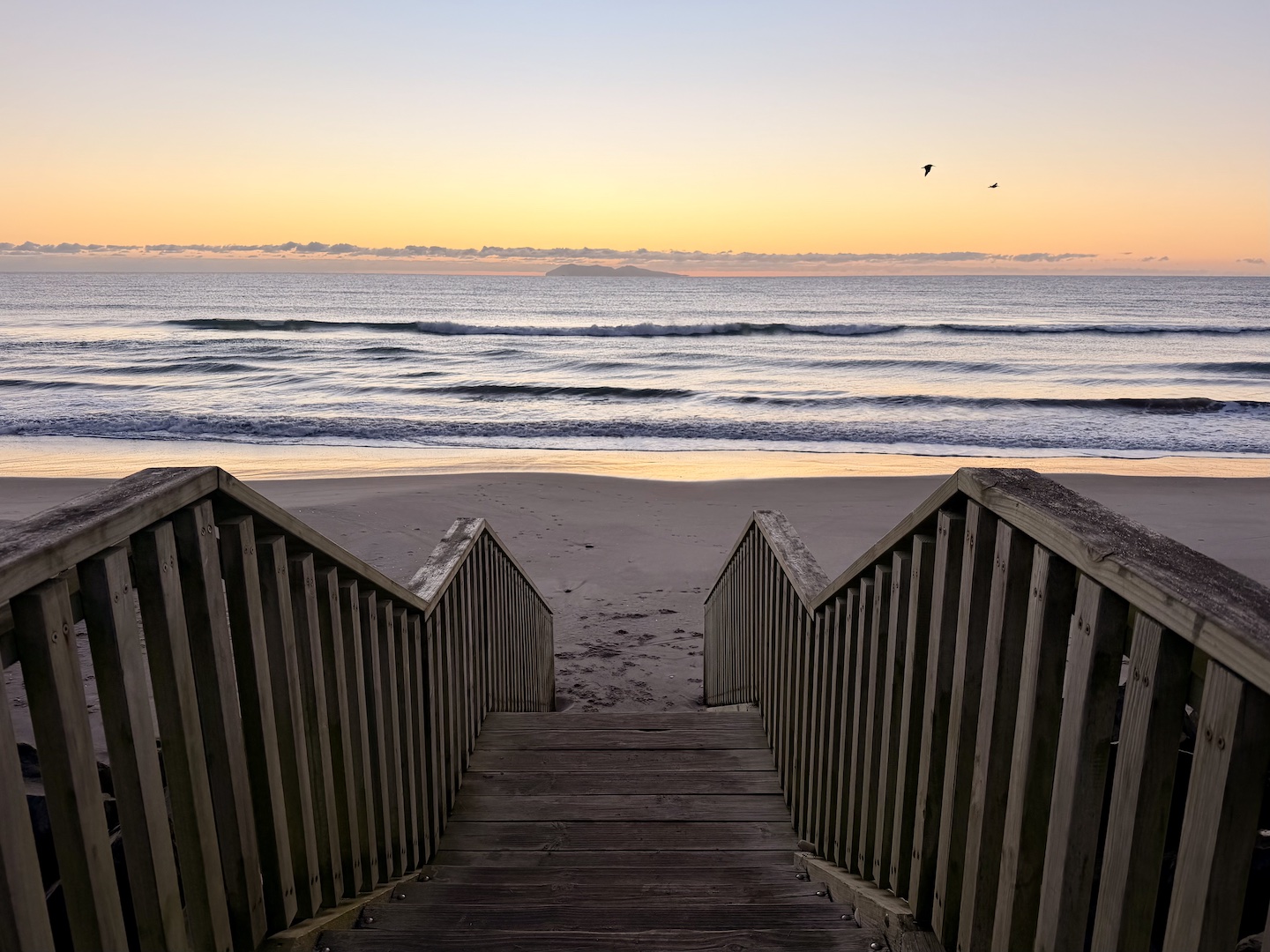
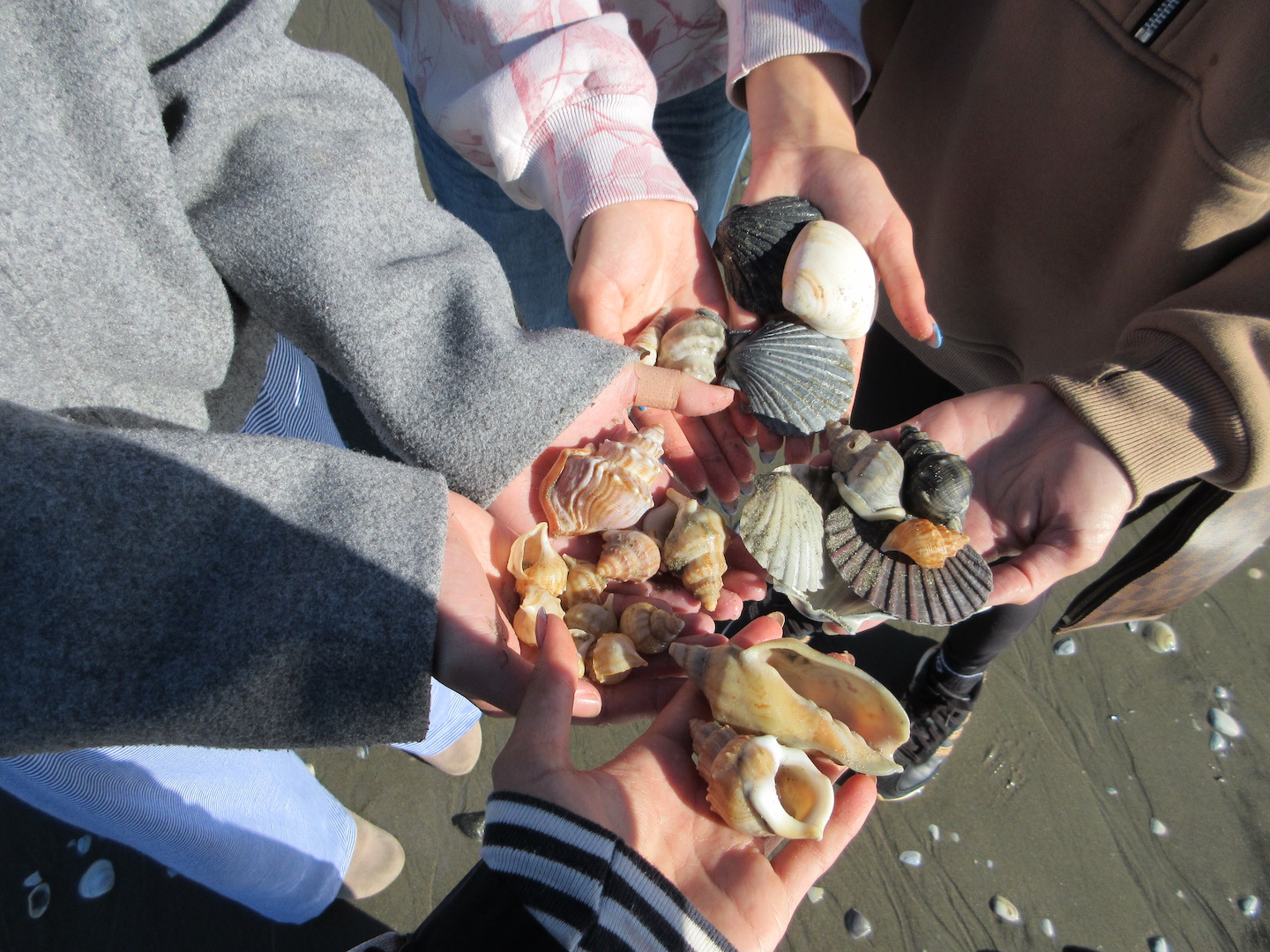
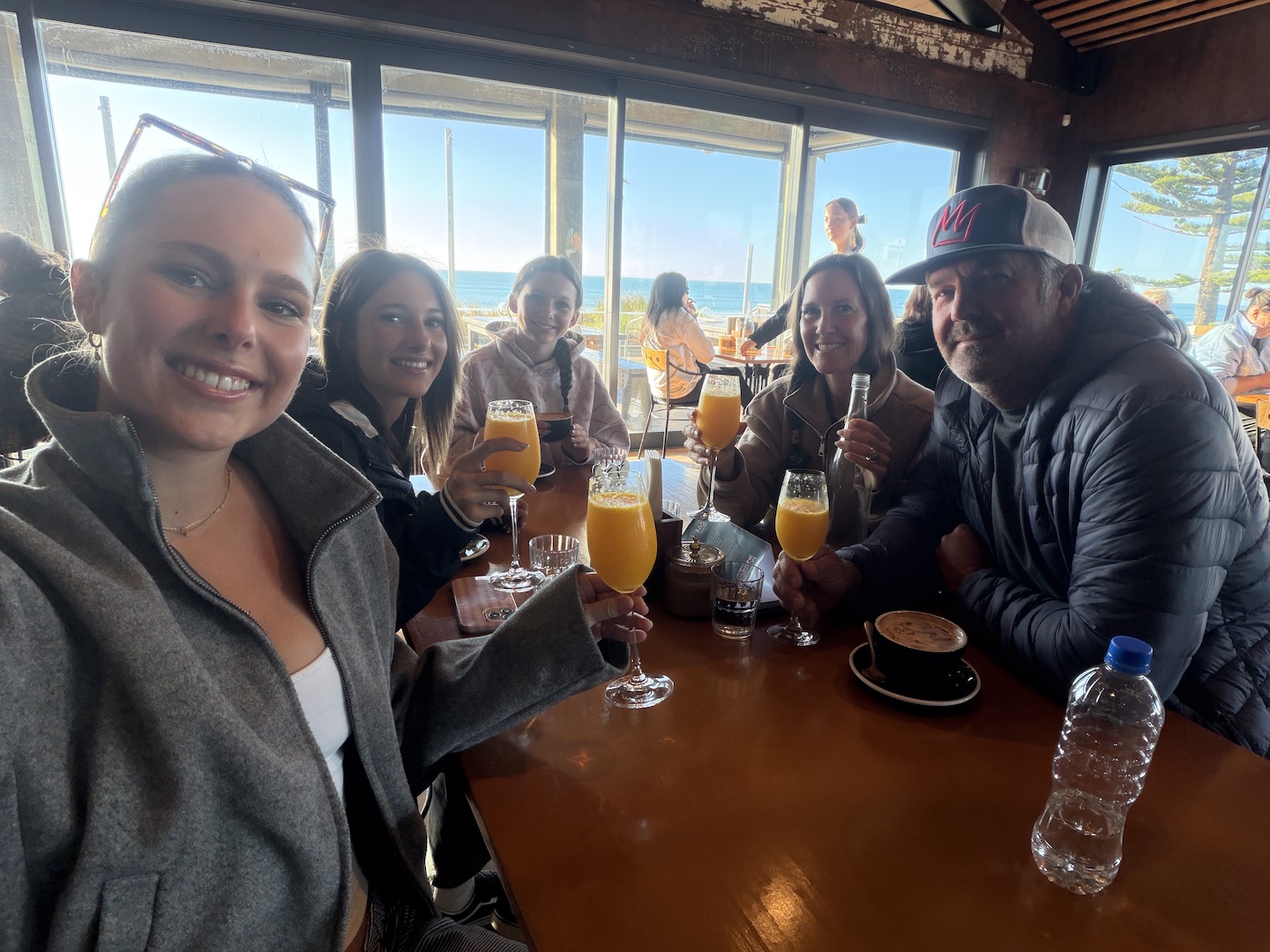
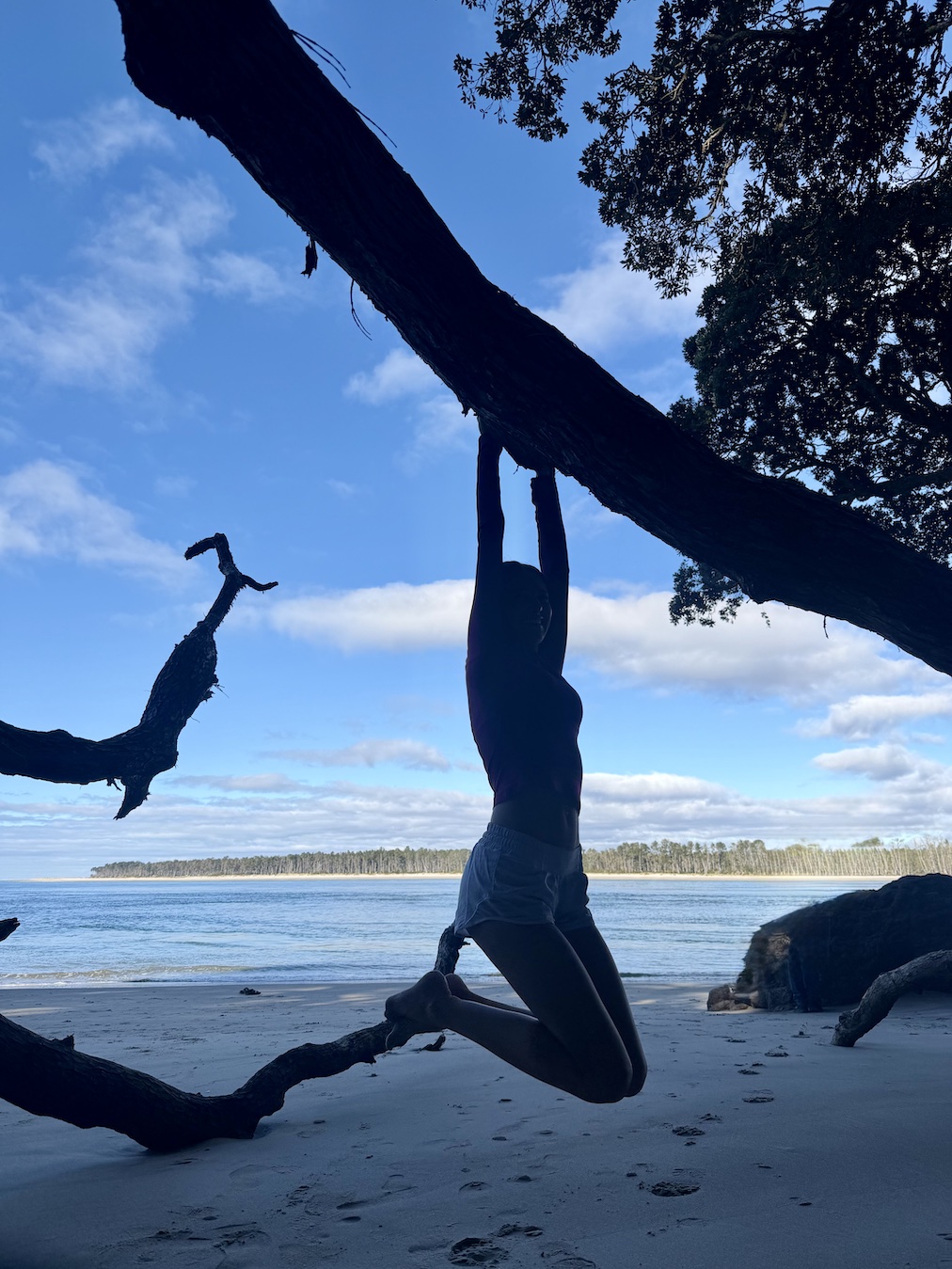
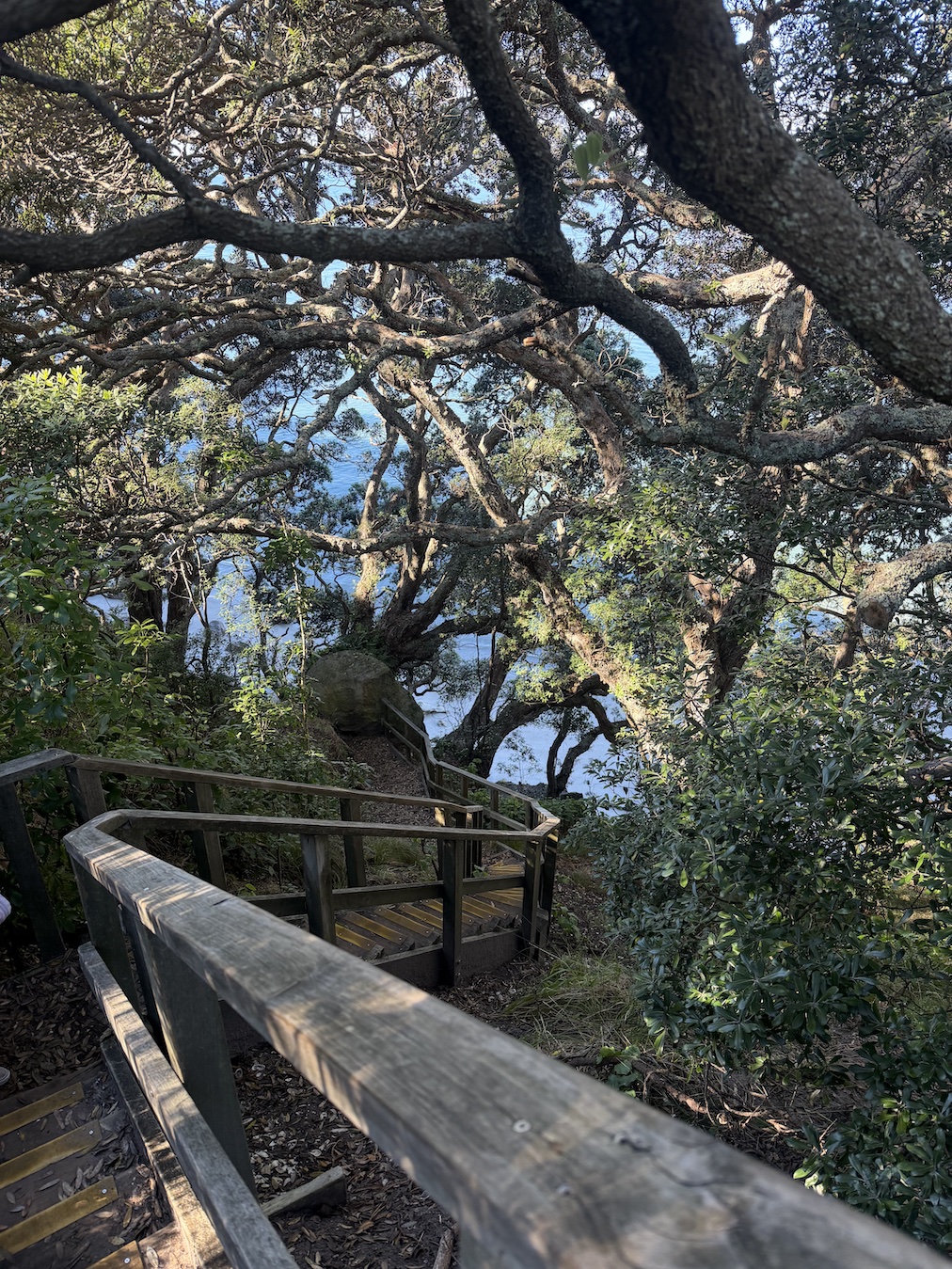
The Coromandel Peninsula and south along the Pacific Ocean is known for it’s laid back beach towns. We chose to stay in Waihi Beach and could not have been happier. Although we visited off season in winter, we had beautiful crisp, blue-sky days. Each morning we watched from the beach as the lazy sunrise finally crested the horizon. We spent time hiking at Bowentown Lookout, garnering views of the surrounding peninsula and out to sea. Below the lookout was a winding cliffside trail that dropped us at a cool little beach shaded by New Zealand Christmas trees, also known as pohutukawa trees. The uniqueness of the trees added a fairytale vibe to the beach, with their sprawling trunks and exposed twisty roots. In the afternoon we wandered the little shops in town, and discovered yummy eateries. My favorite was the seaside Flatwhite Cafe, our breakfast was devine and it was a lovely walk from the house. We also enjoyed the Secret Garden and the Waihi Beach Bakery. There were tons of birds to be found throughout our visit, but no kiwi birds unfortunately. Not that we really expected to see this nocturnal creature. The Kiwi bird is a unique flightless bird native to New Zealand. It has heavy marrow filled bones, lives in underground burrows, and waddles around at night. Their wings are only about 1 inch long, and they lay eggs over 20% the size of their bodies. I heard they were more like a hedgehog than a bird, and it would have been fun to see one. Considering New Zealand had no native land mammals for millions of years, the wildlife on land was severely limited as well. Domestic cats and dogs, along with cows, horses, sheep and other livestock were plentiful, and seashells of course!
The Redwood Forest
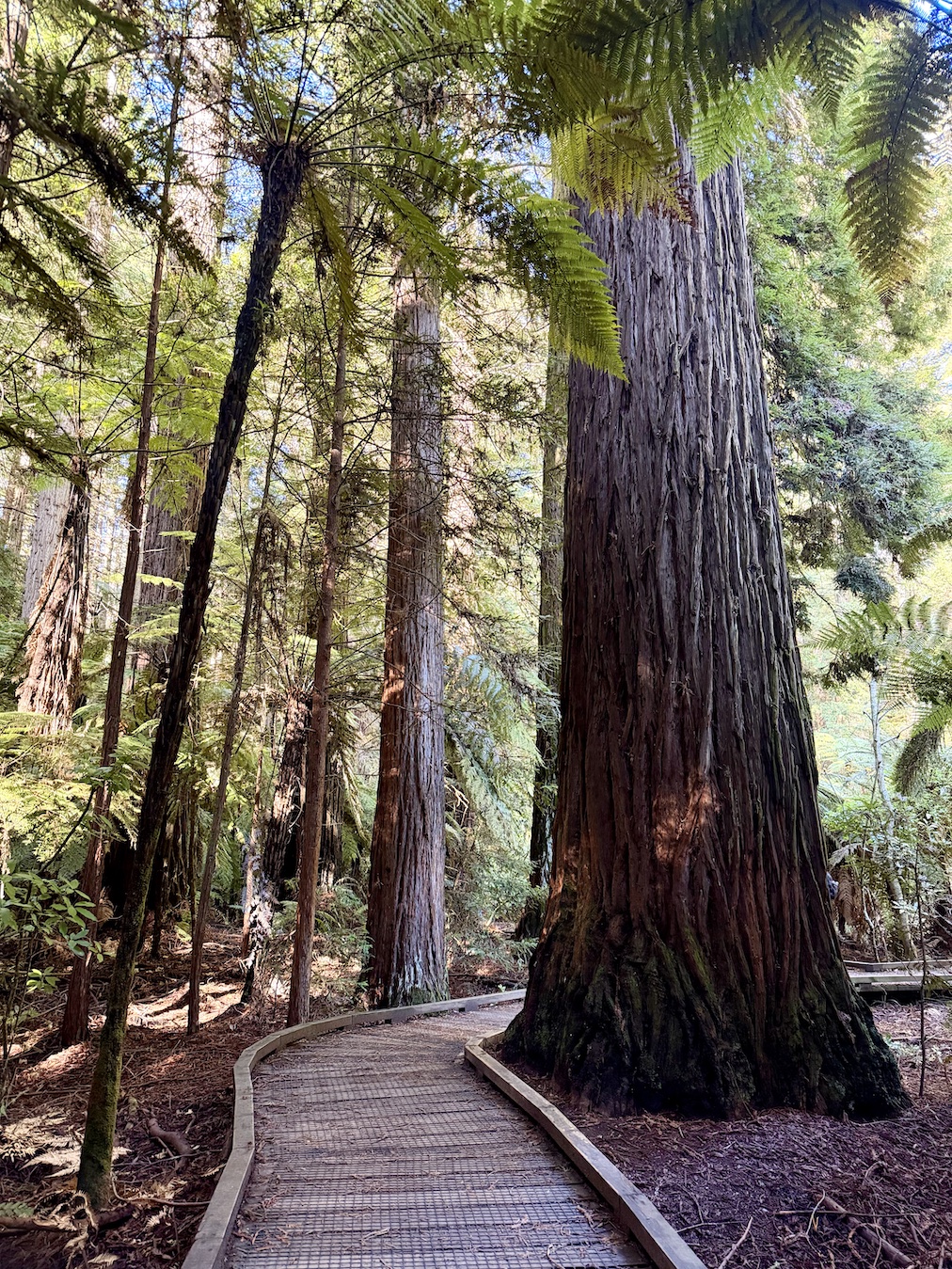
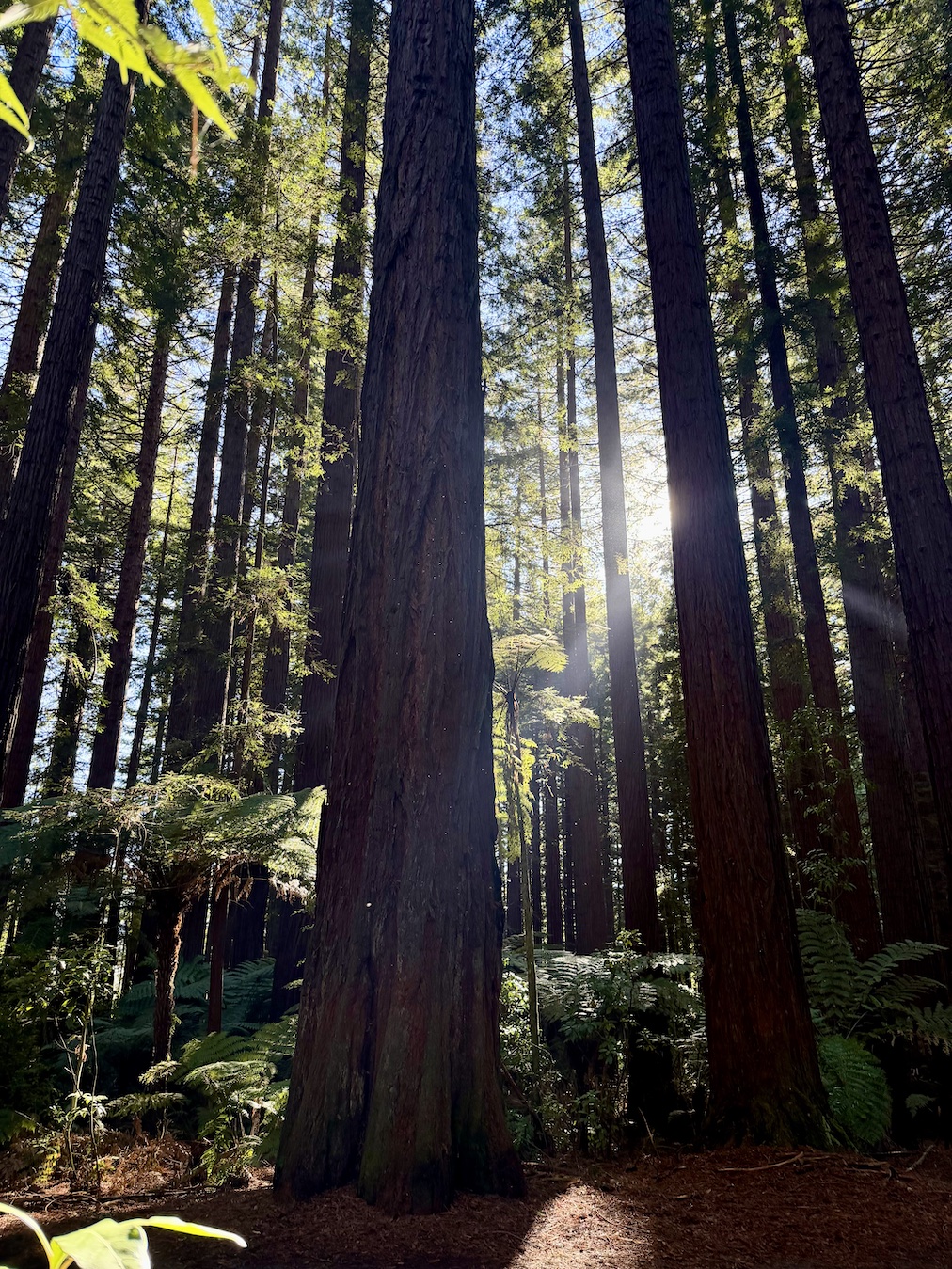
In the heart of Roturura, a vast Redwood forest stands sentential. There are options for hiking, or the more adventurous activities of ziplining or wandering a system of suspension bridges. We chose to hike the Redwood Memorial Grove Trail, and I really enjoyed it. The sweet smelling damp earth surrounded us as we stepped through the quiet underbrush amidst the giant trees. There is something really calming about feeling deep in nature, even though we never wandered far from the carpark. These non-native trees were transplanted from California beginning around 1900, but they thrive in the same ecosystem as the native ferns and mosses, making this particular Redwood forest unique in the world.
Geothermal Activity and Maori Culture
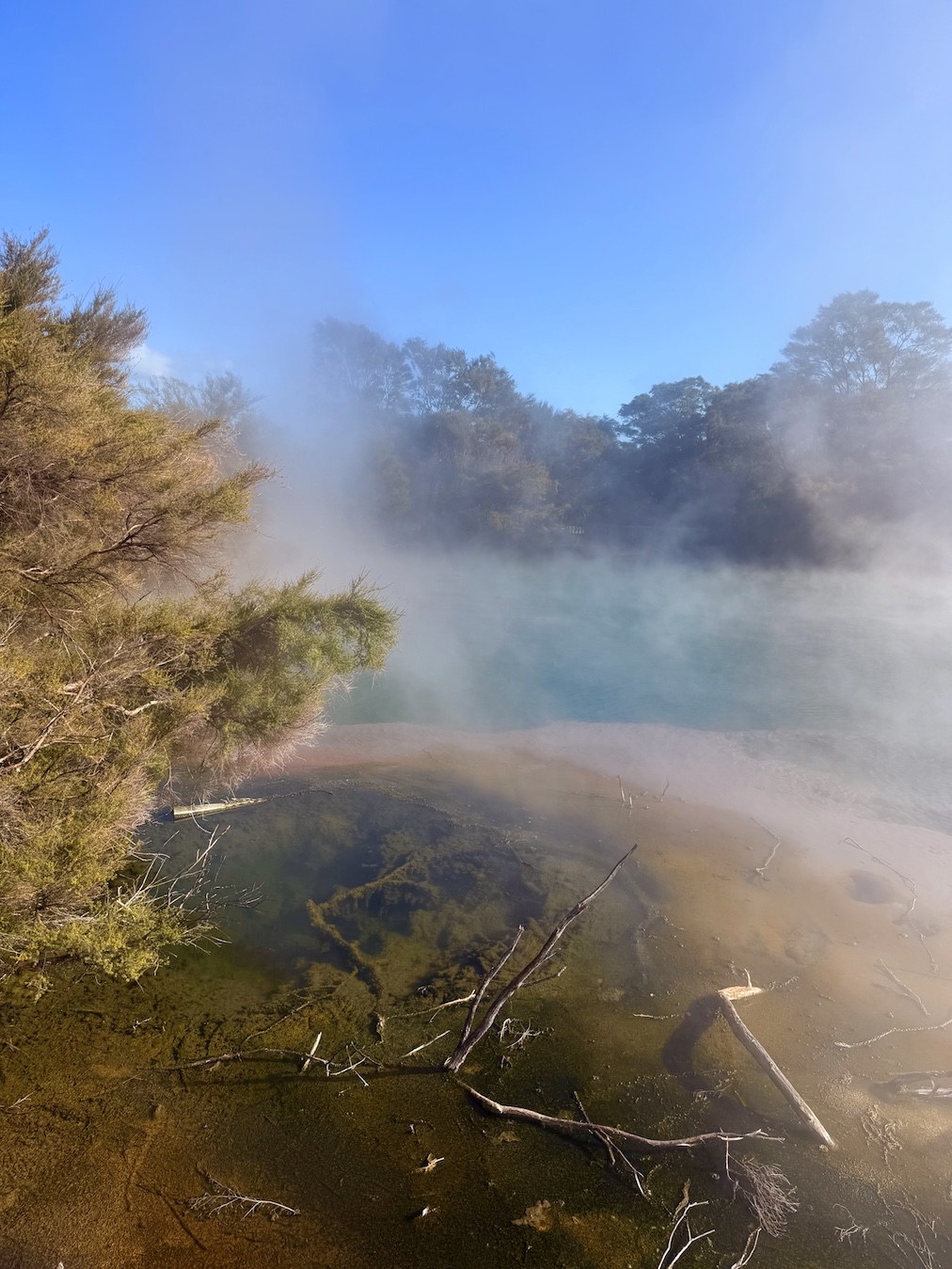
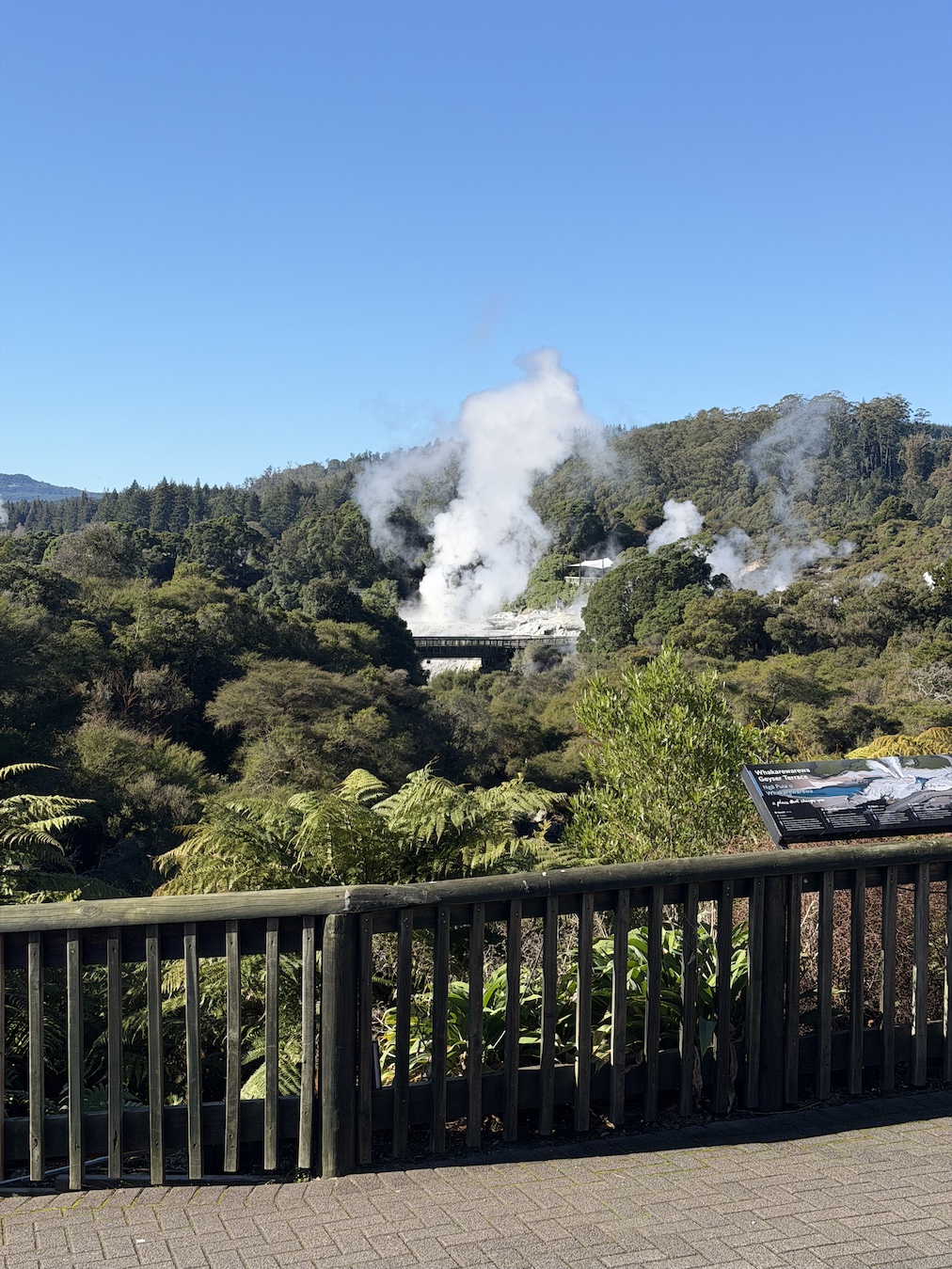
Another exciting thing to do in Rotura is discover the geothermal activity caused by the underground volcanic vents. There are a plethora of bubbling mud pools, spewing geysers, and stinky mineral pools throughout the area to explore. We chose the Pohutu Gyser at the Geothermal Wonderland, and the Rotura Park in the middle of town. There is also a nice trail around Lake Rotura with hot water pockets for swimming, and steam vents. Maori culture is strong here and there are several great options to go deeper into the culture, appreciate a show, or learn how the indigenous people still harness the hot water to power their daily lives. The smell of sulfur is strong throughout the town and attractions, which some people are very sensitive to. However, reaping the benefits of soaking in the hot mineral water is well worth it!
New Zealand’s North Island was bountiful. Despite the fact that human inhabitants only came to the country after Europe was already in the late middle ages, there was still a lot of young history to explore. In addition, the recreational options seemed endless- I could see the allure of spending months RV living and hopping around the islands. How fun to rent a van with a bike and a surfboard and go where the wind takes you- hiking and biking and surfing and camping. The landscapes were incredible and we left so much undiscovered. Maybe next time!
More Articles

California Highway 1 Road Trip
California is one of the most beautiful states in the USA, with such diverse offerings. You can be surfing and skiing in the...

Maui Bucket List
Maui is one of several islands that make up the state of Hawaii. It is known for its diverse microclimates, world class diving,...

Epic East Coast Road Trip
The eastern coast of the United States of America is dazzling. It is rich in American history, resplendent with glorious...