
5 Things to Love in Switzerland
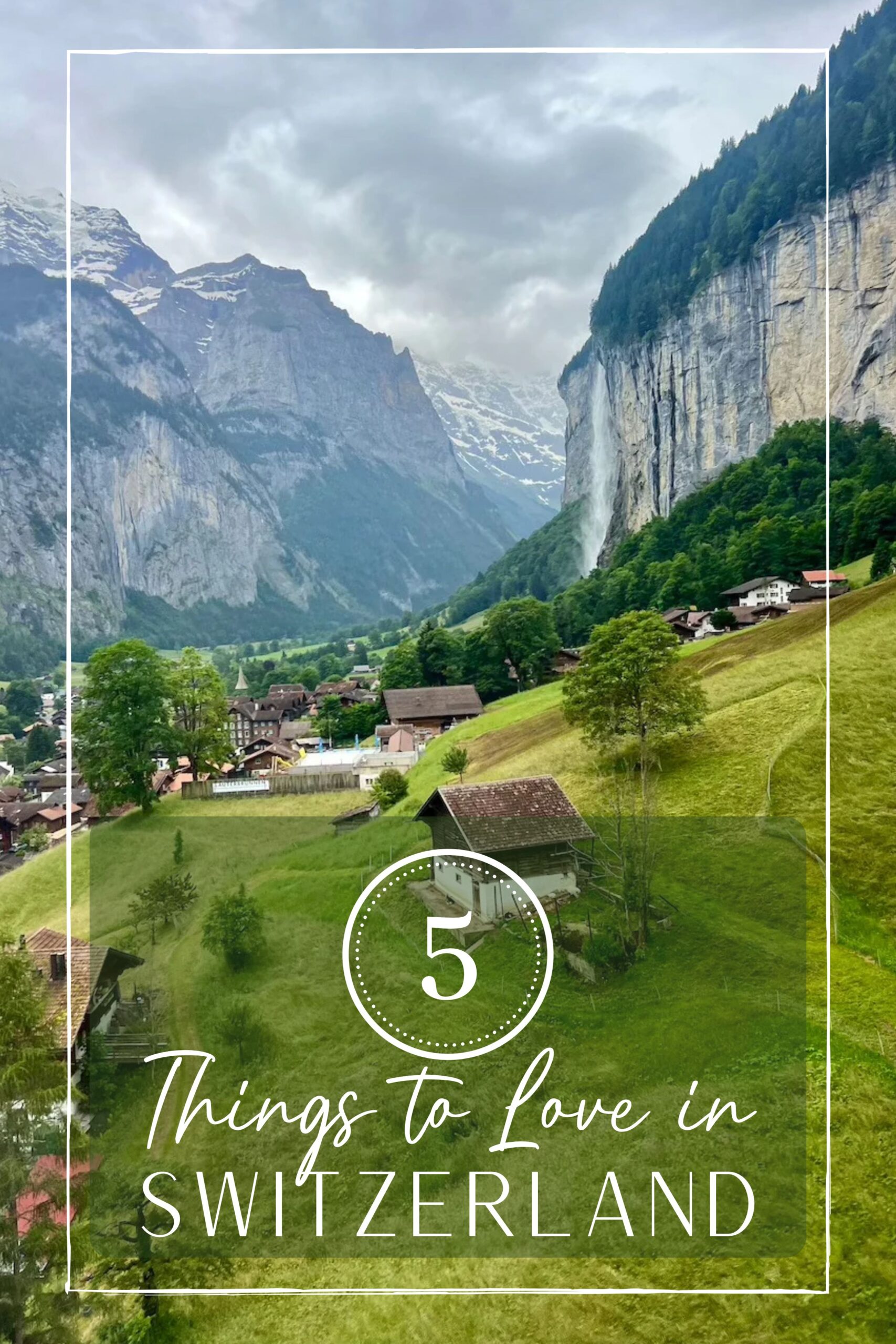
Switzerland is a fairytale destination, where modern cities and alpine culture blends seamlessly. The Swiss are known for punctuality, being polite, and appreciating an outdoor lifestyle. Switzerlands geographic location as a major hub for trade triggered a long history of innovation. Inventions such as the Swiss watch and Velcro, along with electric engineering and mountain railways originated here. The Swiss are credited with the invention of Milk Chocolate, adding that gorgeously rich milk from grass fed cows to the common bitter chocolate.
The region of Switzerland was first settled by Celtic tribes. After the Romans began invading the area, Christianity started to spread. Germanic tribes slowly took over from the Romans and the region ceded from the Holy Roman Empire in 1648. There are four national languages in Switzerland due to the regional differences from early cantons. These cantons formed closer ties with each other for defense against the bullying Austrian emperors like the Hapsburgs. For the most part, these newly allied Swiss people busied themselves minding their own borders, dwelling in communal longhouses, and arguing about Protestantism vs Catholicism. French forces invaded in 1798 and Napoleon ruled Switzerland under French influence until his defeat. In 1815, Switzerland was finally recognized as independent and gained permanent neutrality- which it still maintains to this day. Because of their neutrality, Switzerland has become a major banking and financial center in the world. It is also politically stable and has a remarkable legal system.
Switzerland is peaceful, community oriented, and a pleasure to visit. Many things are closed on Sunday to encourage the people to enjoy time together and in nature. We treasure our visit, and we have put together this list of our top 5 things to love about the country.
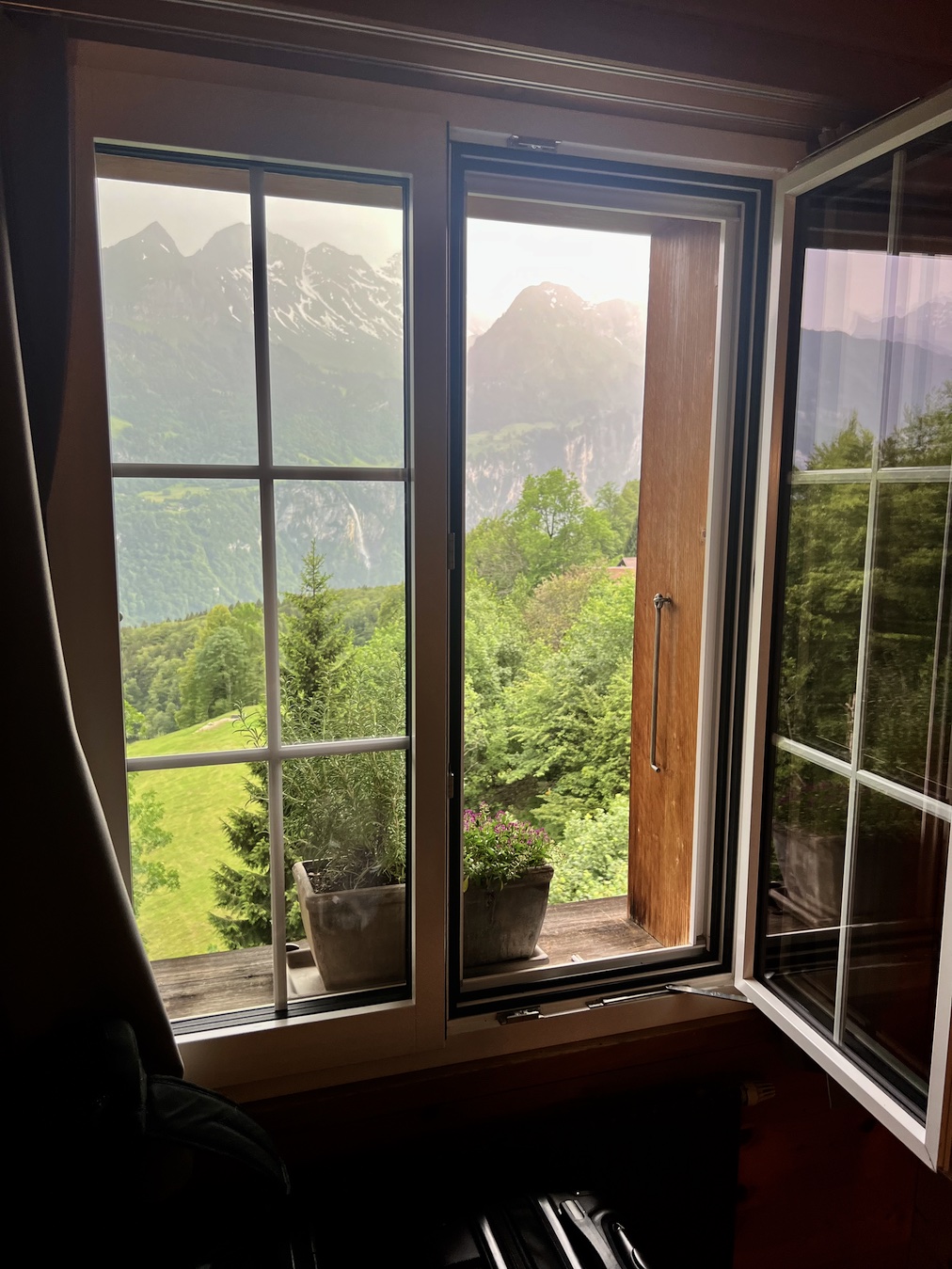
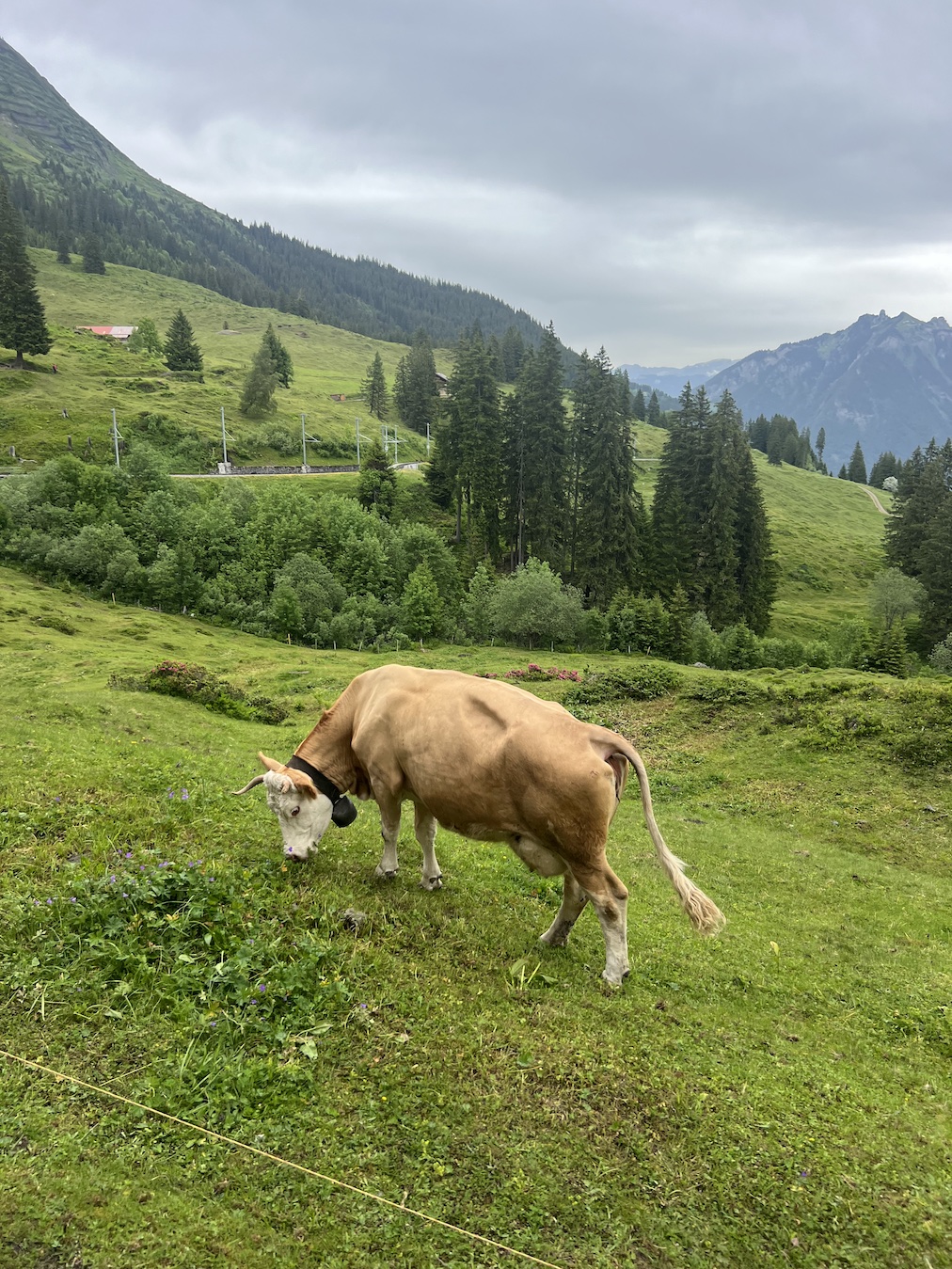
1. Learn About Alpine Farming Culture
As you traverse Switzerland, it is common to see cattle grazing on lush alpine pastures high in the mountains in the summer or in the low valleys in the winter. In September and October, the Cattle Decent Festival showcases the importance of this seasonal change with parades of cows decked out in flower crowns and bells. Alpine herders use long wooden alphorns for communication and signaling, while yodeling and folk music abound in the villages.
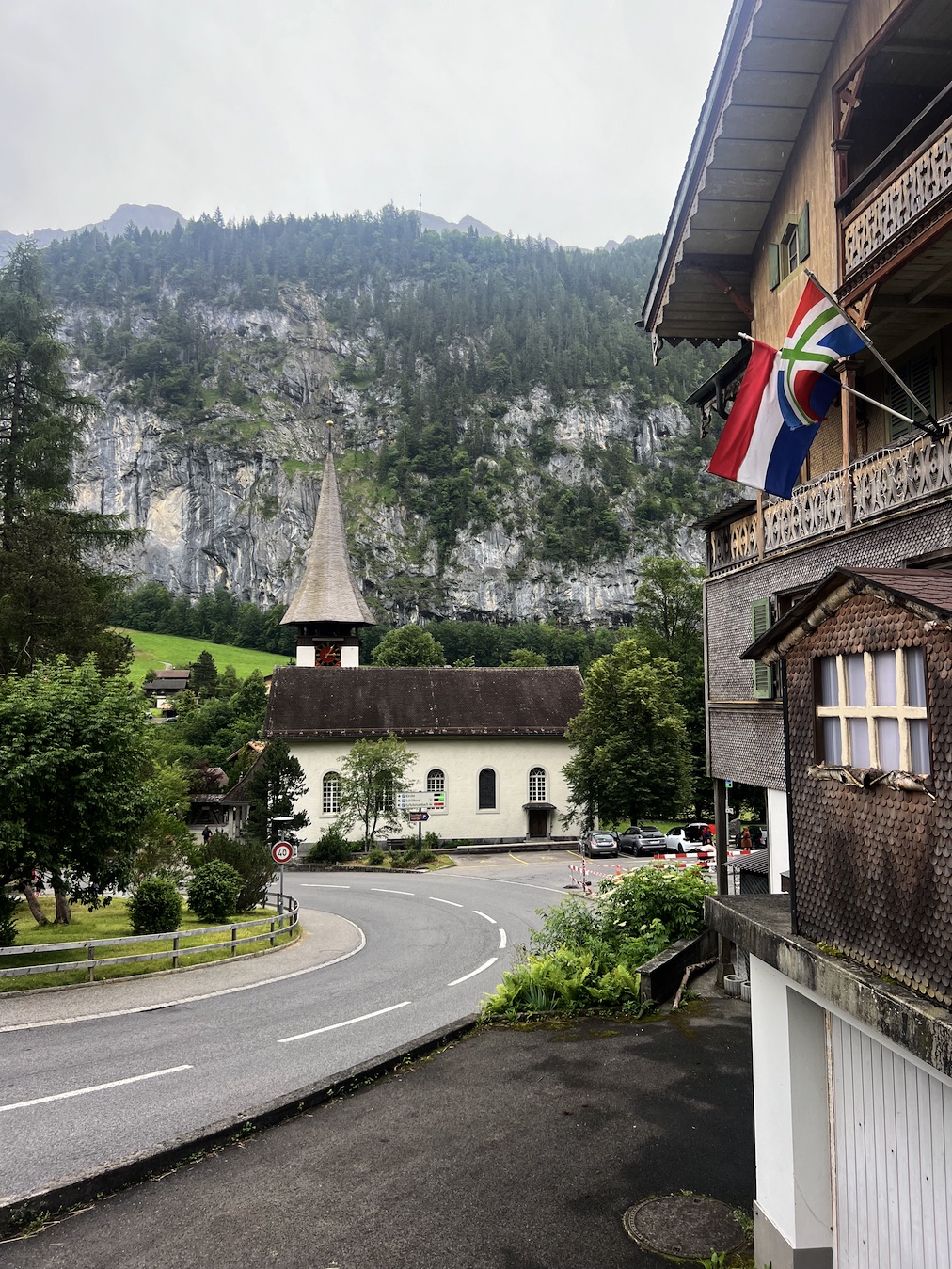
2. Visit Dramatic Mountain Peaks
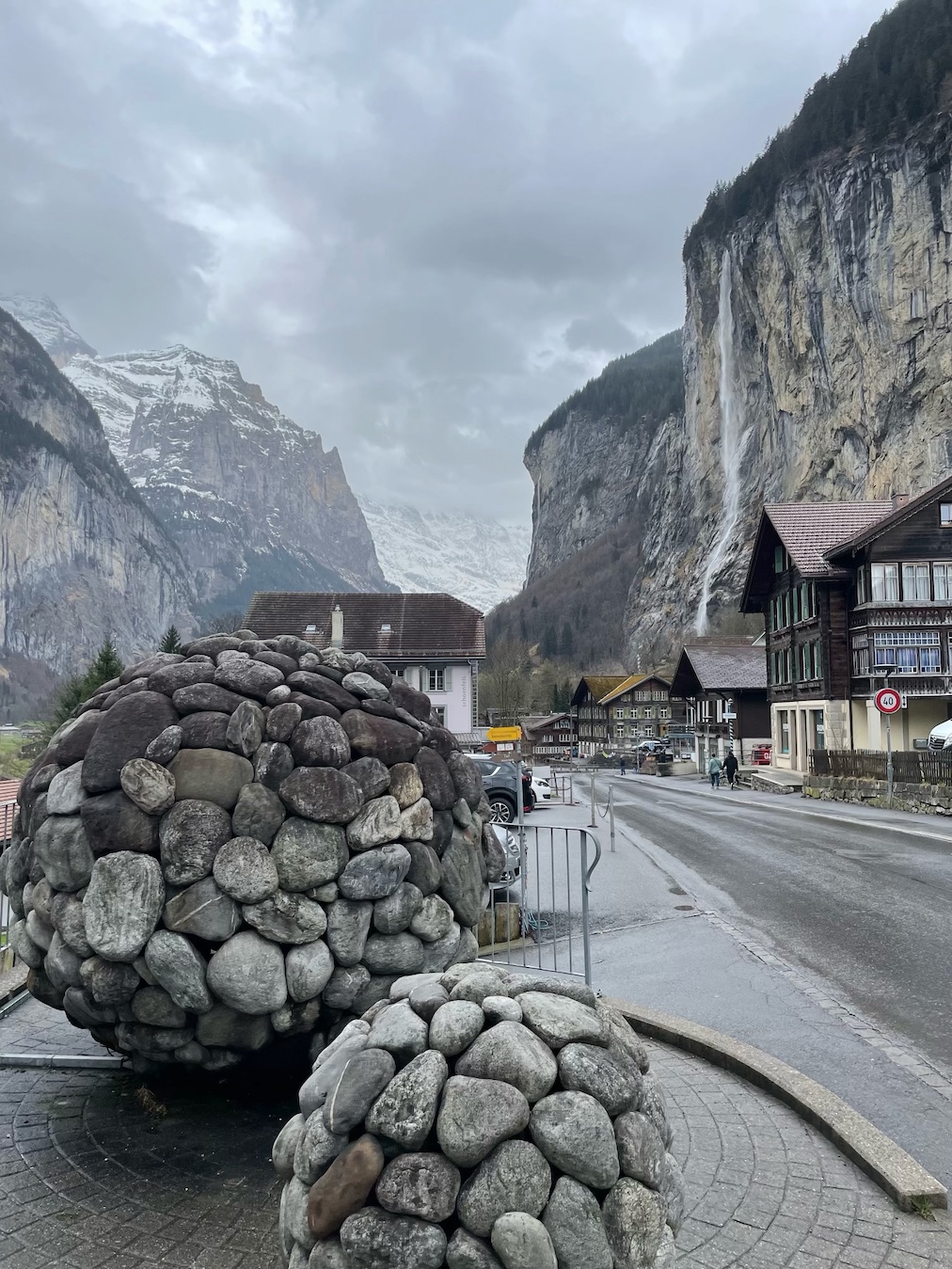
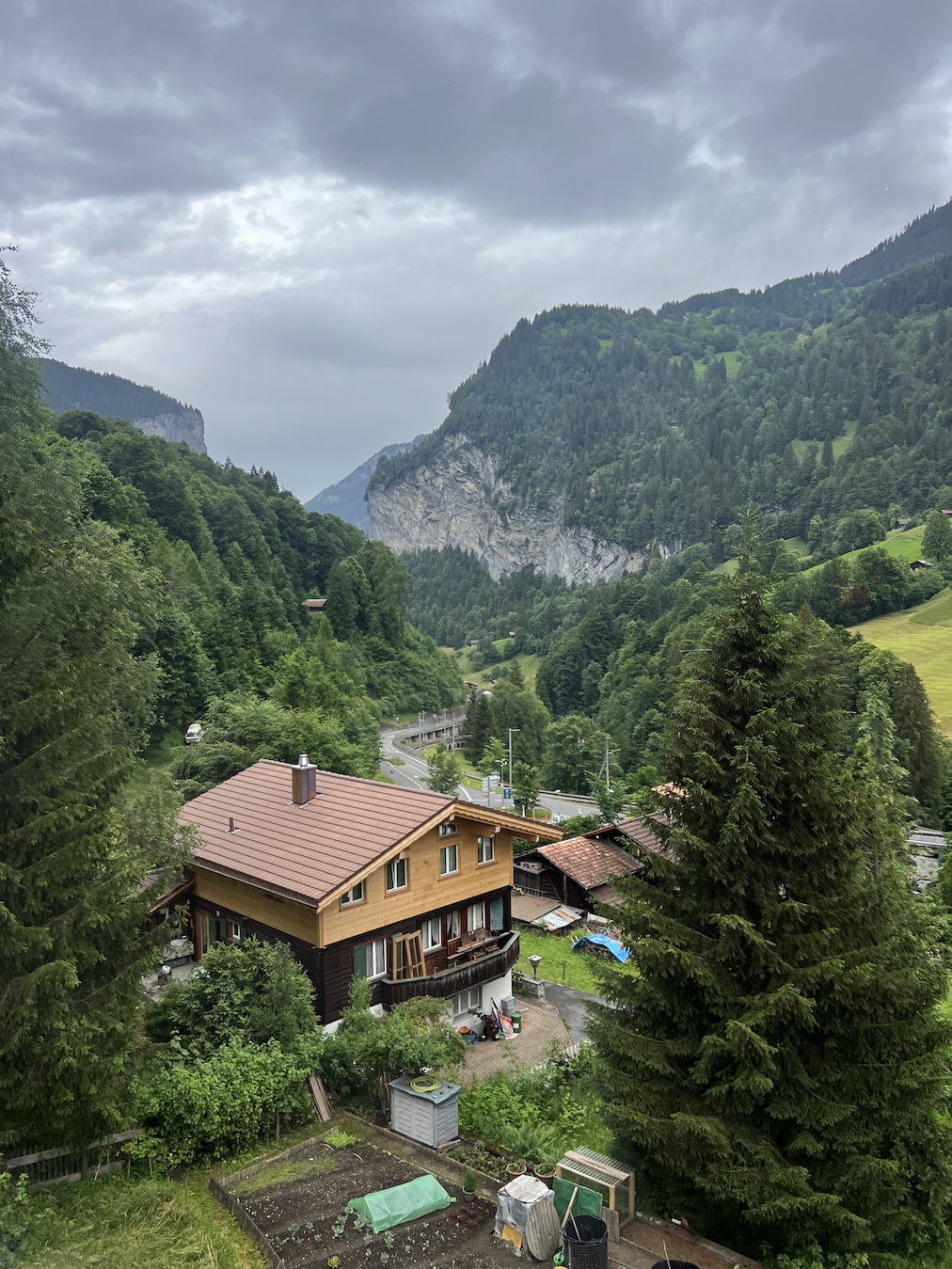
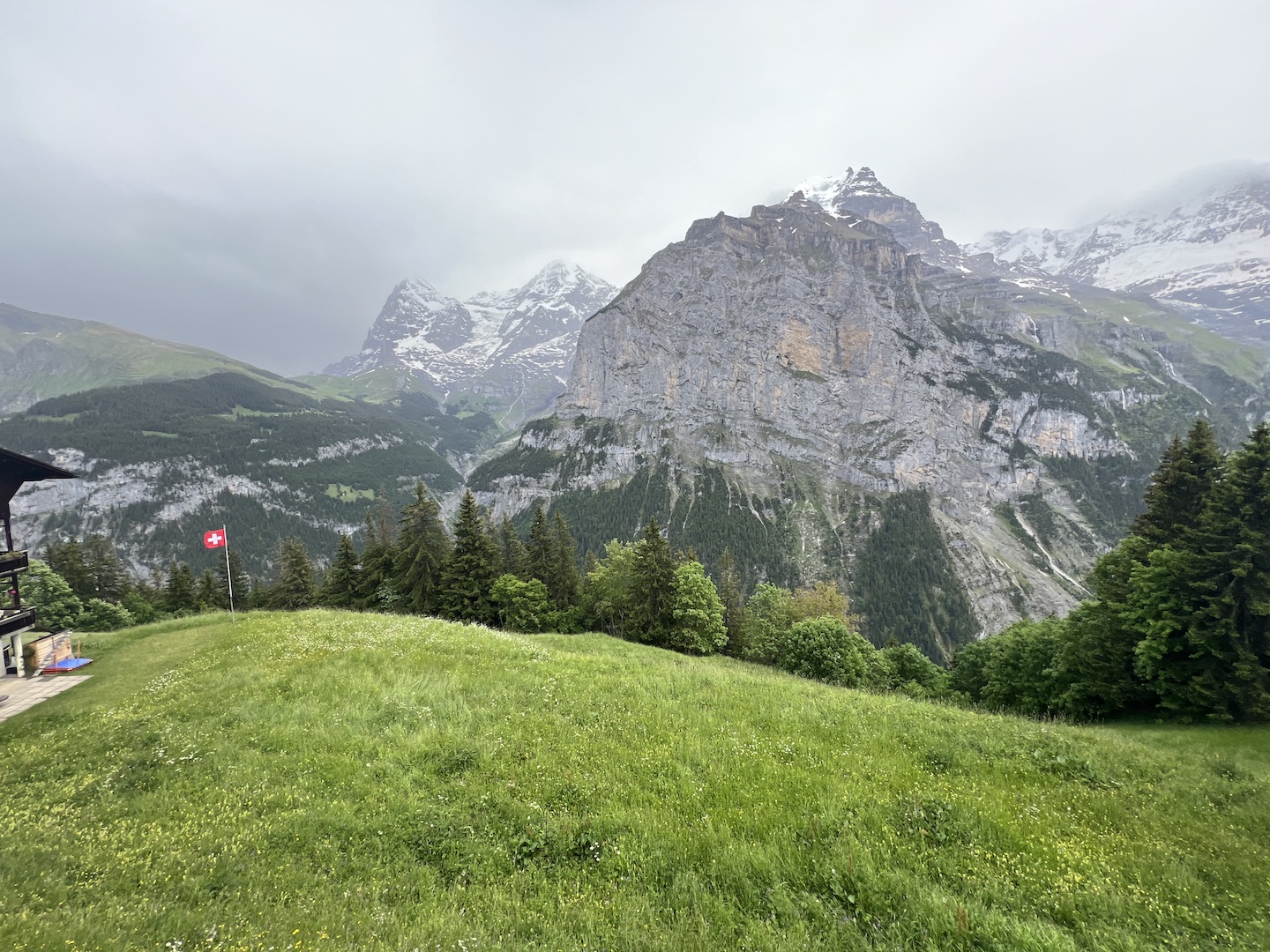
The town of Lauterbrunnen is home to 72 waterfalls and access to the car-free towns of Wengen, Murren and Grindelwald via cablecar. Snowcapped mountains give way to dramatic green valleys with wooden Swiss chalets tucked in between. It feels magical to climb into the clouds and listen to the birds chirp and the cow bells ding. We recommend staying in a Swiss chalet in a car-free town, observing the waterfalls with a Swiss lager as the sun sets on the horizon.
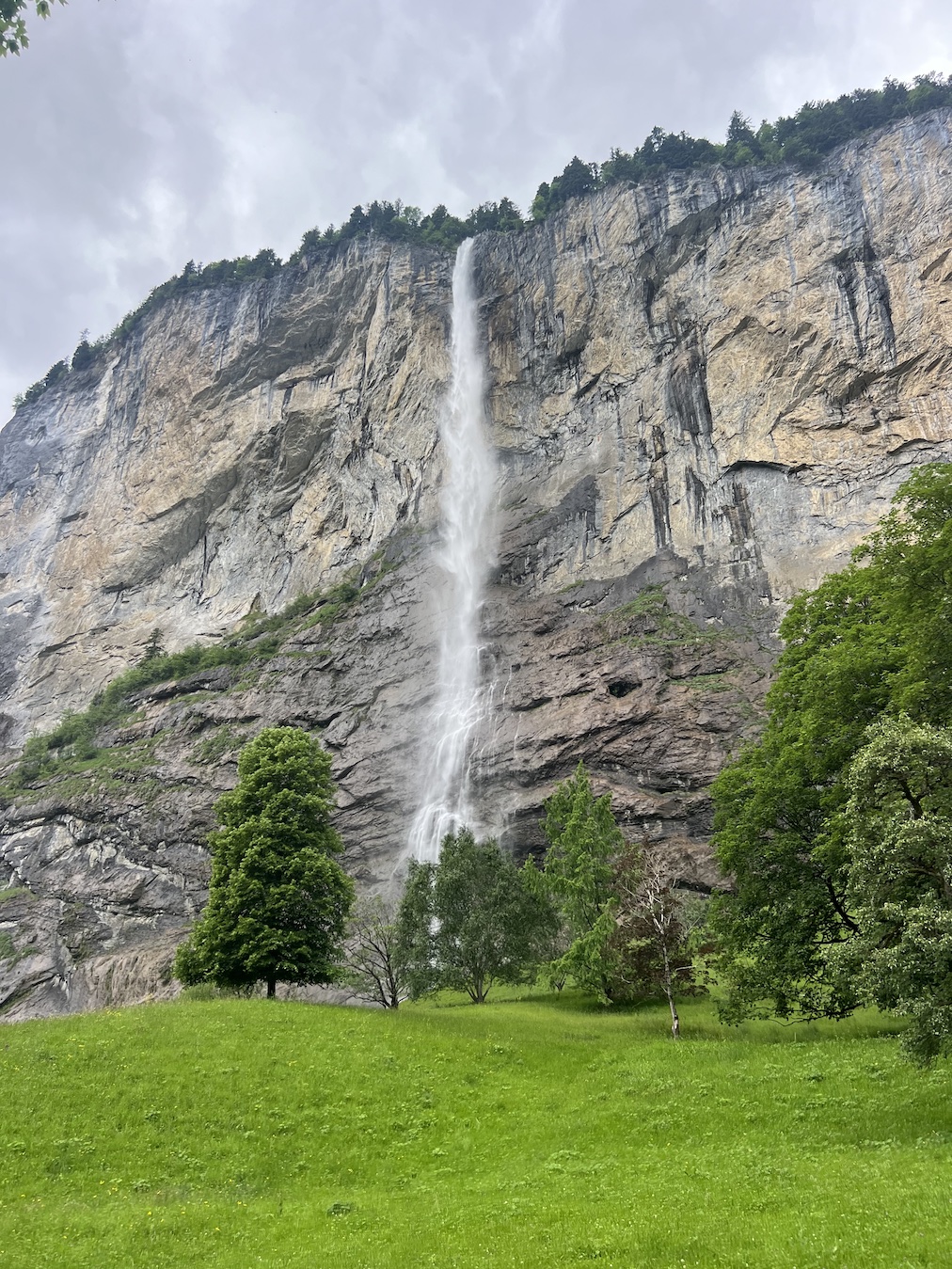
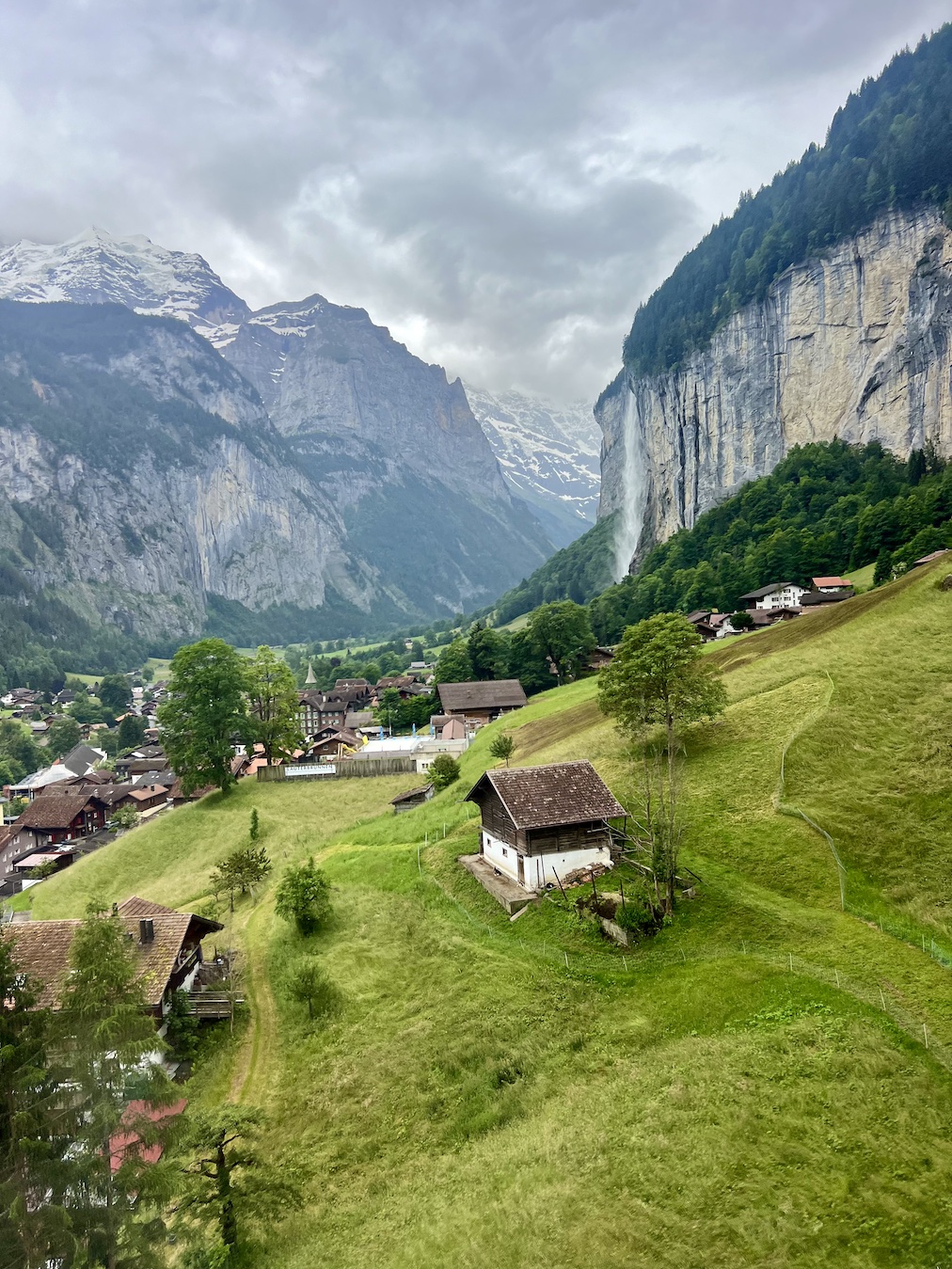
3. Enjoy the Turquoise Lakes
Lucerne is a lovely lakeside city that makes a fantastic Swiss base for a few days. Explore the old town, wander on the lakeside paths and shop for a Swiss army watch. Interlaken is also a nice base and is a much smaller city. There are several adorable lakeside villages if you are looking for something even quieter and more quaint. Wherever you end up, make sure to enjoy the unique Swiss cheese, Sausages, and Swiss chocolate fondue!
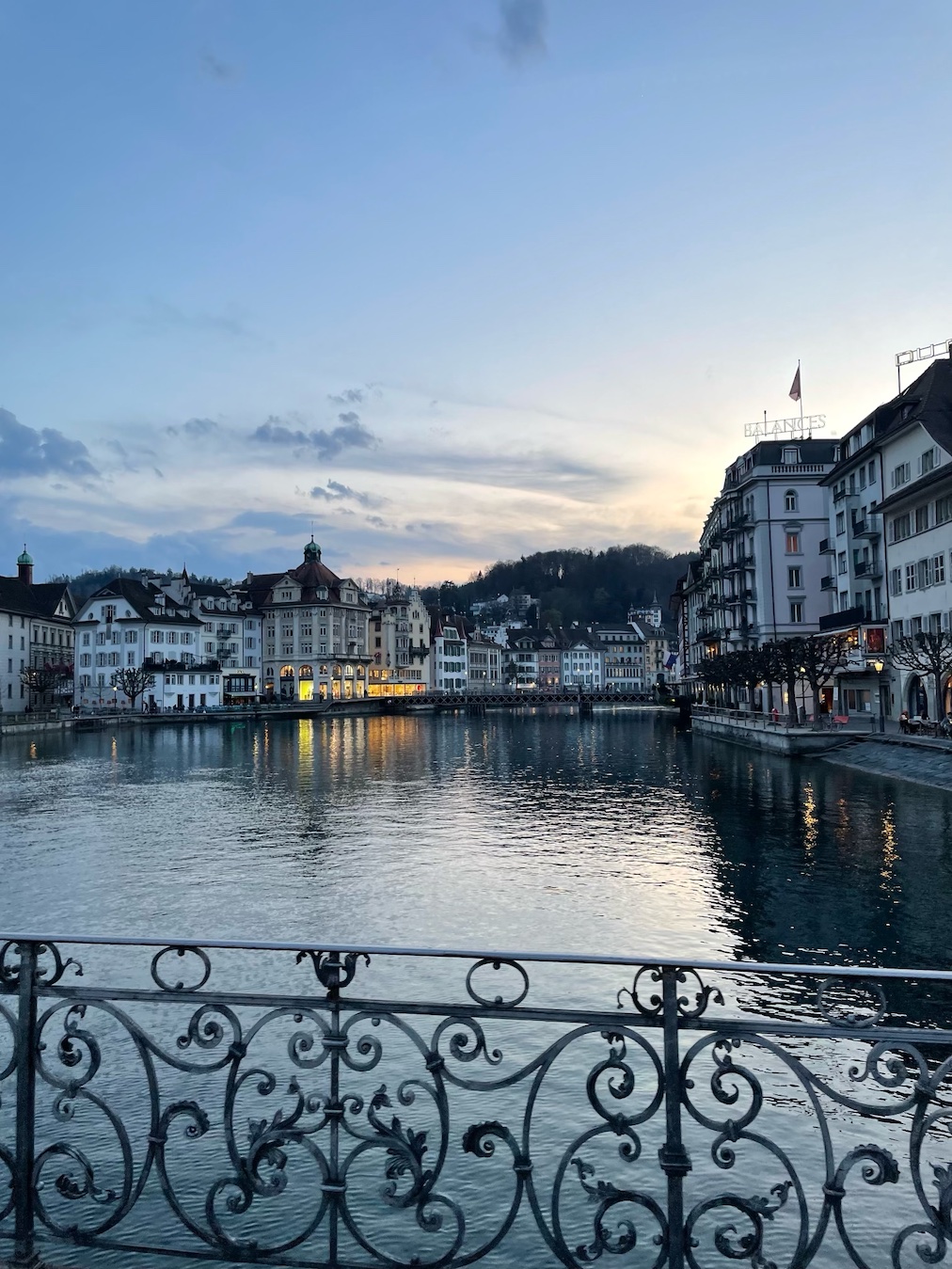
4. Ride a Panoramic Train
Aside from driving a car down awesome winding roadways, Switzerland offers several fantastic ways to get around by train, bus, boat, and cable car. We have already mentioned the cable cars out of Lauterbrunnen, which are extraordinary. Visitors can also take a train from Interlaken to Jungfraud- the tippy top of Europe! However, if you have the time, we recommend taking an iconic panoramic train trip. One such option is the Gotthard Panorama Express from Lucerne to Lugano. It begins with a boat ride across Lake Lucerne, then a panoramic train ride through the Swiss Alps. You can also visit the famous Matterhorn Mountain in Zermatt via the Gornergrat Railway. After your visit, board the Glacier Express- an 8 hour trip from Zermatt to St. Moritz on an epic panoramic train. For something a bit shorter, the Bernina Express is only a 4 hour journey from Chur to Tirano, Italy. Any of these options will grant you the opportunity to appreciate the magnificent Alps, rugged landscapes and luscious green spaces.
5. Take a Hike
Wander through verdant valleys, over striking mountains, and alongside steep cliff sides for distinctive experience. If you are visiting the Zermatt region, the Five Lakes Walk is a moderate 3-4 hour hike that passes several alpine lakes reflecting the steepled Matterhorn on their surface. The elevated Oeschinensee Panorama Trail looks down on a turquoise lake framed by steep limestone cliffs. It is about 2-4 hours and listed as moderate. Anywhere you choose to stay in Switzerland, you’re sure to be close to several trailheads, so bring your hiking shoes and get out there and explore!
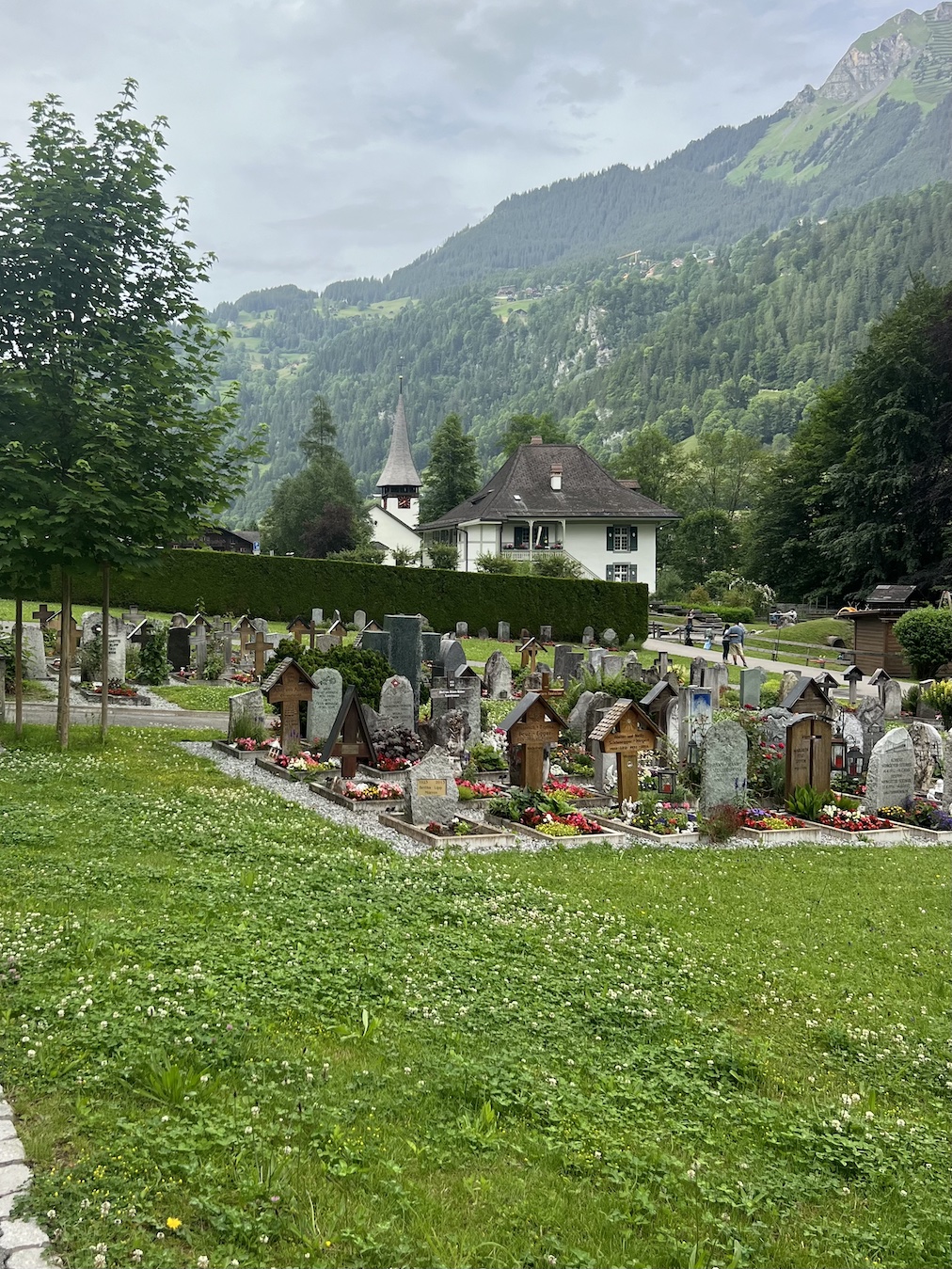
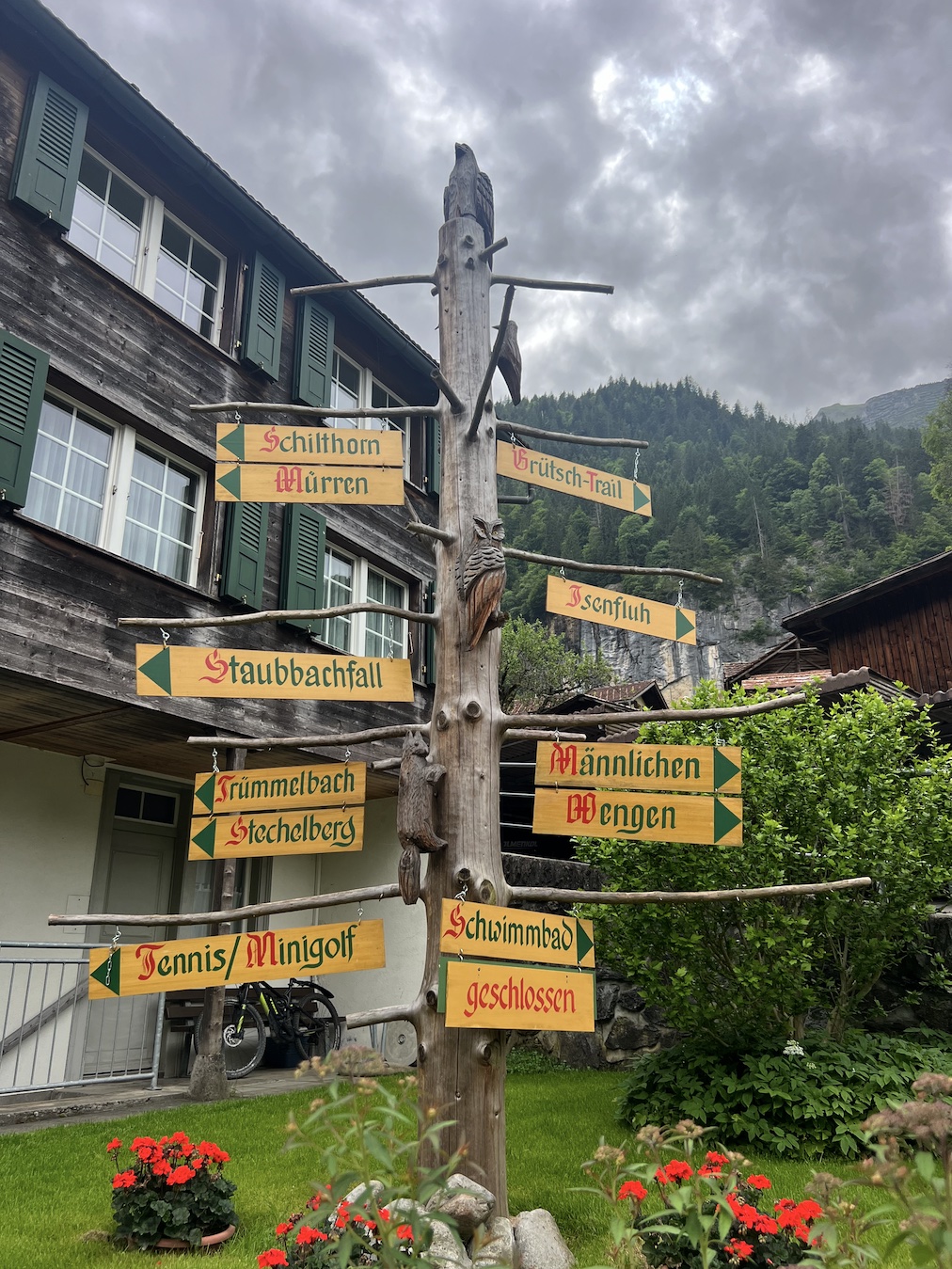
Switzerland has captured our hearts. Even though it has several national languages, religions and cultural differences, Switzerland has a strong national identity. It has led the world in humanitarian work, international negotiations, and as a financial center. With innovations in fields ranging from watch making to biotech and technology, Switzerland has cultivated an impressive cache of inventions to be proud of. It is a very expensive country to visit, and that should not be taken lightly, but it is still worth it! Everywhere you look is a spectacular sight, the people are really kind and happy, and the country just feels very genuine. It is a peaceful place to visit and a memorable, dazzling destination.
More Articles

Korcula – A True Croatian Experience
Croatian people are a mixture of Slavs and Croats with a Serb minority. They speak Croatian and English and use the kuna as...

A Quest in Yokosuka, Japan
Many times, profound and impactful experiences shape who we are. It can be a cultural, religious or spiritual experience. It can...

3 Things to Love About Slovenia
Slovenia is a young country, having only been independent since 1991. Prior to that, the region was under rule of...