
Traveling to China: Everything you need to know
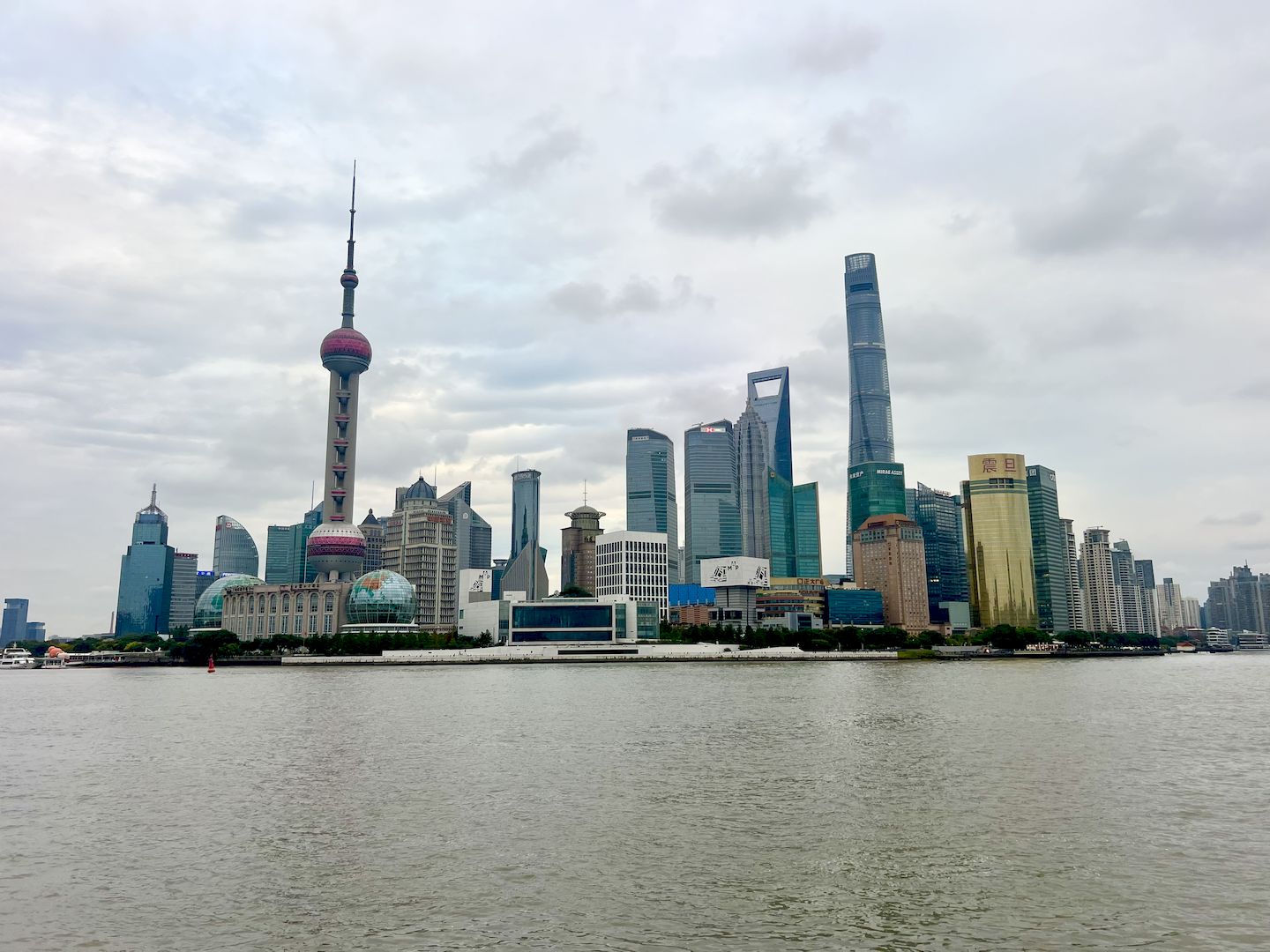
Before we left for our mother-daughter trip to China, I had so many people ask incredulously “What’s in China?” I always thought this was a funny question. China is one of the oldest continuous civilizations on our planet, existing with uninturrupted written history from before 2000 BCE. It is the birthplace of the Silk Road, which was one of the most influential trading routes in the world,. It is home to the 13,000 mile long Great Wall of China, built and maintained over several centuries. It is one of the most technologically advanced countries in the world. It is just bursting with culture and history. Why NOT China?
Of course, I understand the hesitation because of political climates, and the lack of English language or western influence while traveling can be scary. Yes, some laws are enforced arbitrarily, there are cameras literally EVERYWHERE, and the passport regulations are over the top. However, despite all of this, we found China to be super safe, likely because of all of those cameras. We did not find the Chinese to be particularly warm with us, while some people were incredibly kind and thoughtful, more often people were reserved and even downright cold. This did not make us feel unsafe, we just realized we weren’t making any life long friends on this trip, and that is okay.
What to See
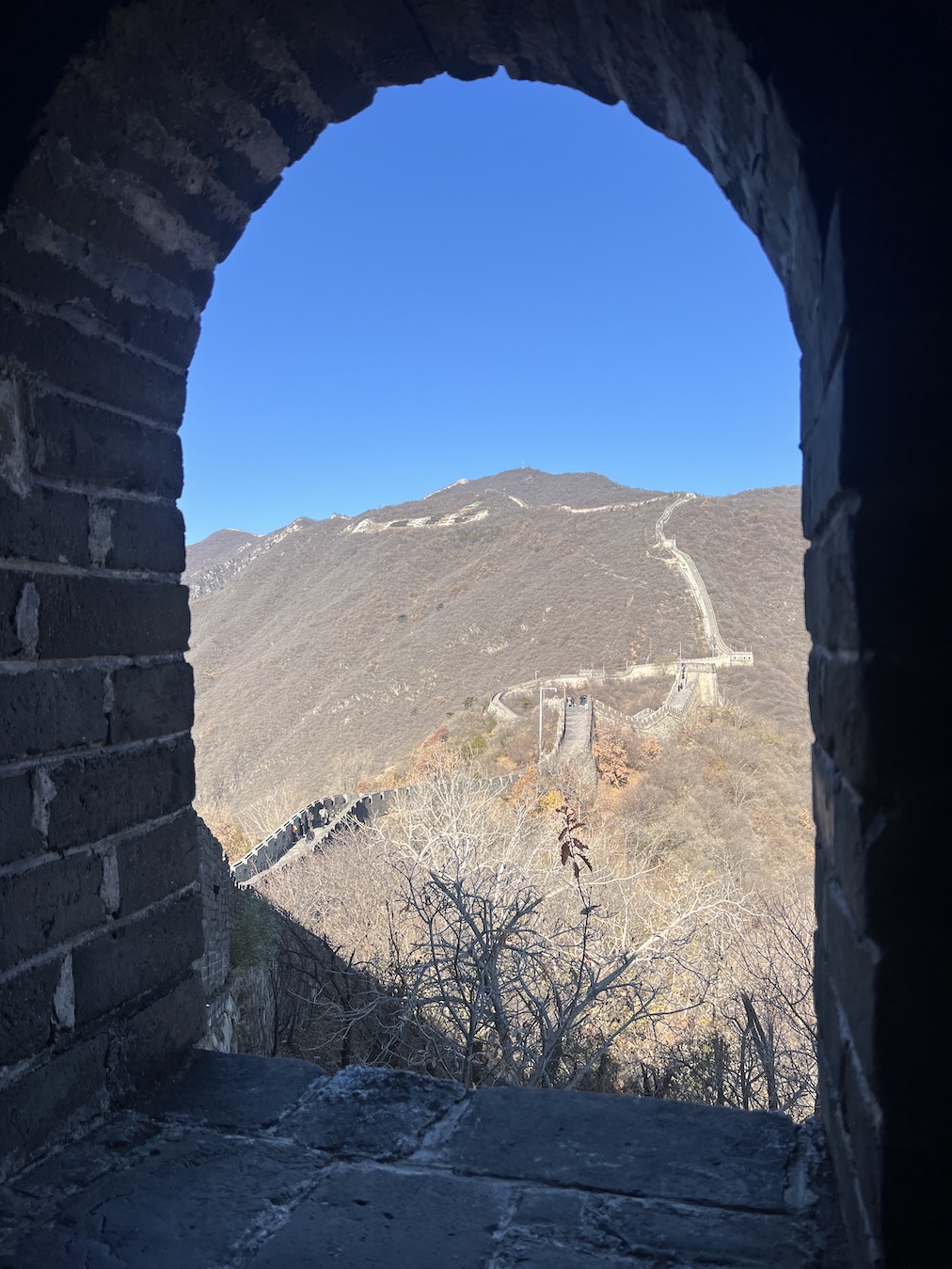
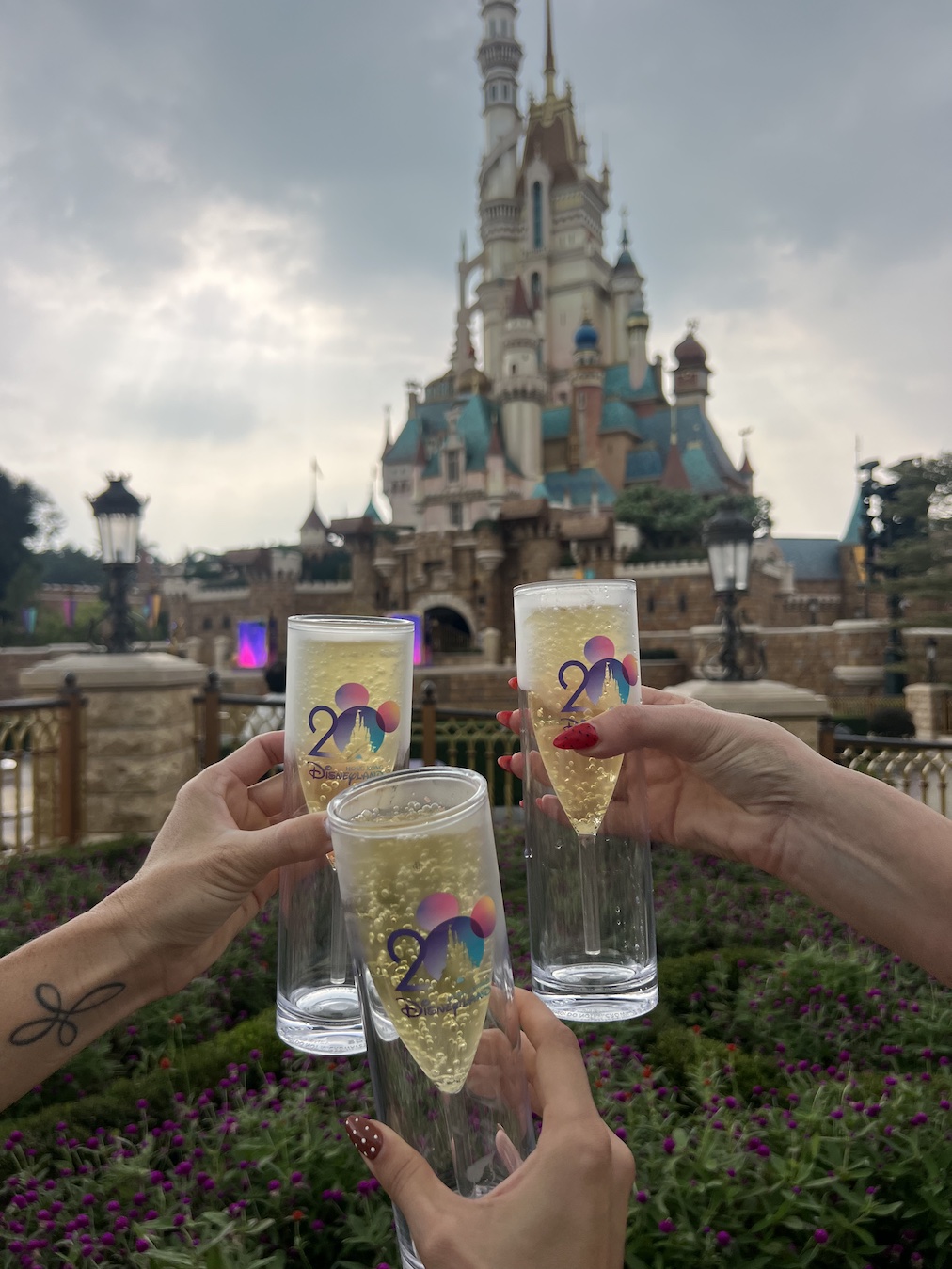
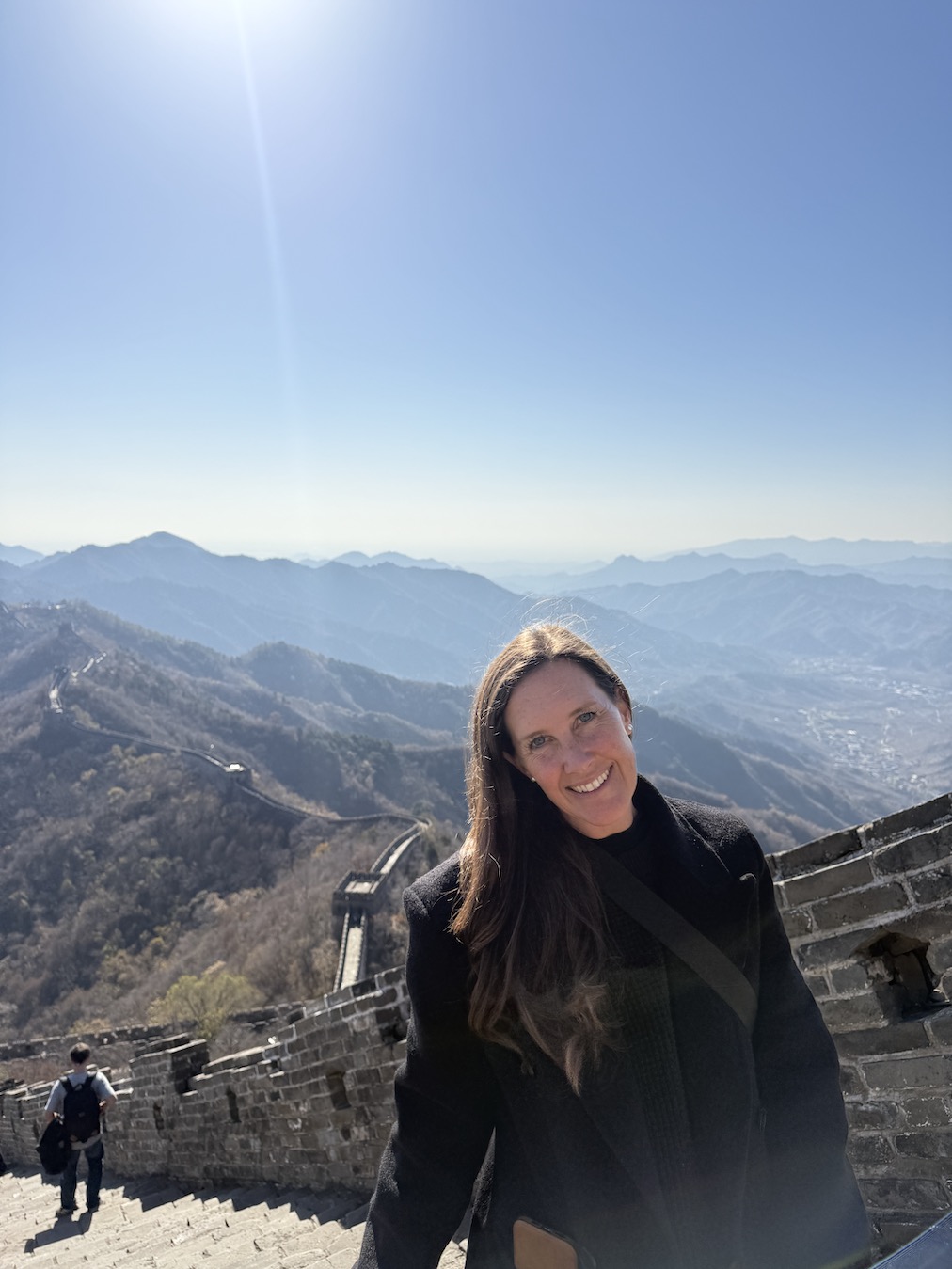
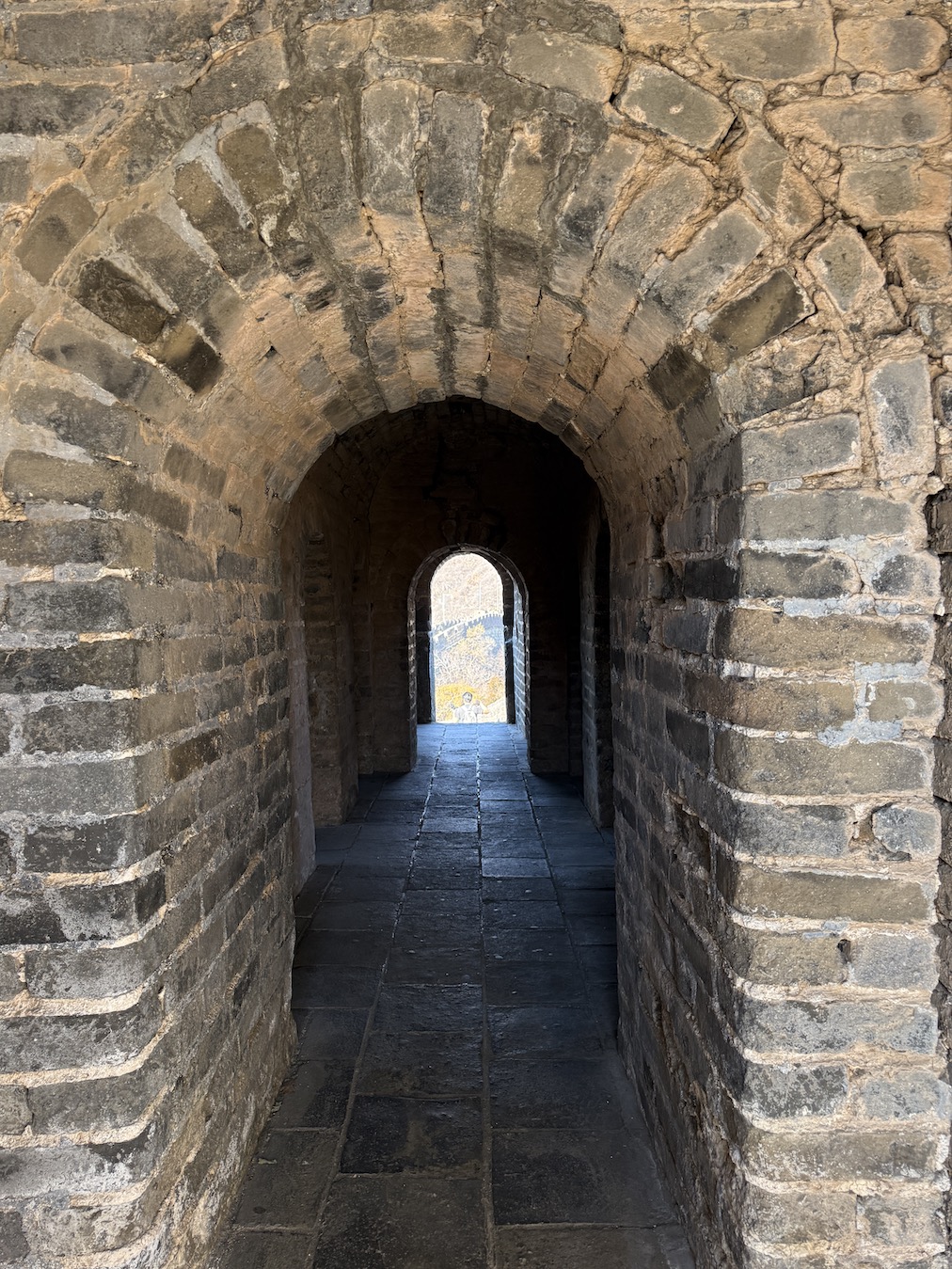
I know you have heard it: China is MASSIVE. There are so many regions to choose from, each with a unique set of offerings, and each so far away from another! Even with the superior transportation methods across the country, it can be daunting to try and plan a visit. I can’t proclaim to be an expert on anything China related, and there are obviously better places to get educated on what to see, but I can give you some direction based on what worked for us. My major motivations for traveling are to experience the culture and appreciate the beauty of the places I visit. In this case, I felt a visit to some of the major cities and a visit to an amazing National Park would be a good pairing. In addition, I wanted to complete my tour of every Disney Park in the world, with my friend Ronda and daughter Julie. I also wanted to hike on the Great Wall of China, a culturally significant and globally celebrated feat of engineering. That narrowed down my destinations to Shanghai, Beijing, Hong Kong, and Zhangjiajie. I go into more detail in my post “10 Days in China.” We picked Shanghai because it is the most technologically advanced city in China, and the home of Shanghai Disneyland. Beijing because it is the capital and base for the Great Wall of China. Hong Kong for its Disneyland and innovation, and Zhangjiajie for its National Parks. If I had more time, I would have added Xi’an, the long time capital of China and the beginning of the Silk Road, also home to the Terracotta Army. I also would have added Zhangye Danxia National Park and Guilin for the beautiful topography. Geographically, these destinations were already so far apart, so it took a flight or extended train trip to get between them. It was definitely not complicated to make these domestic plans, but can get expensive and be time consuming if you are on a short time limit. Three days at each spot is a good average for a short visit, longer if you are particularly interested in something or just a slow traveller, which I am not.
Getting Ready for China:
Aside from choosing our destinations and booking our flights, the first hurdle we crossed when planning our trip to China was obtaining a visa. Not everyone needs a visa. For example, if you are only visiting Hong Kong, or just stopping over for less than 6 days in China, you don’t need a visa. Visitors from some countries such as France, Germany, Italy, and Span can stay for up to 30 days without a visa as well. Julie and I planned to spend ten days in mainland China, coming from the USA, so we needed a tourist visa. There are professional visa services that will file and process your application for you, and I am sure they are fine. However, our local Chinese Consulate is not too far and I felt better doing the legwork on my own. We prepared for our visit to the Consulate by bringing our pre-filled application documents- printed out- copies of each passport, separate copies of our passport photos, and printed documents for our flight and hotel information. I did not realize at the time we had to surrender our passport while our applications were under review. I have to admit, it was nerve racking to surrender my passport, I did not like it. After the allotted time, we returned to find that our visas had been approved, and we were able to pay by debit card about $180 for each processing fee. The visa is a sticker that takes up a whole page in the passport book, and is good for up to a 90 day visit anytime in the next 5 years. It was pretty easy in hindsight, as long as the process is followed.
In addition to the visa, we downloaded several apps to make our trip easier. First, I purchased an eSim through HolaFly, which worked great throughout the trip. However, Julie did not purchase an eSim and her AT&T international plan worked just as well as it had in Europe or anywhere else internationally, so in our case the eSim was not necessary. We both purchased a VPN through ExpressVPN so we could access our Gmail and other sites without being blocked by China’s Firewall. Next important was Amap, because Apple and Google maps are not comprehensive enough for public transportation guidance. Equally important was Alipay for almost all of the transactions made by card. Although a lot of hotels and bigger chains did take my regular Visa card so that was fine, until I lost my Visa halfway through the trip so I had to use my Alipay the rest of the time regardless. Cash is still widely accepted as well so its a good idea to exchange some at the airport or withdraw from the ATM. I used the trip.com App to book train tickets and Klook App to purchase our tickets to Disneyland, both were convenient, safe, and easy to use. Everything is linked to your passport number so you don’t need to carry tickets anywhere, and there’s nothing scary about these apps.

Getting Around:
The first thing to do when you get off your plane is activate that eSim! Hopefully you did all the steps correctly and your eSim and VPN are chugging along so you can have a great trip. Don’t forget to get some cash while you wait for your bags as well, you’ll need it at the metro right away.
Now, I won’t say the people of China welcomed us with open arms. While a handful of people in tourism or hospitality were kind- some even generous with their kindness- most people in China just barely tolerated our presence. I was a bit nervous getting off the plane in Shanghai and going through immigration. Especially because the lines for “nationals” and “multi use visas” were very long, and the line for “first time visas” had zero people in it. Zero. I tried to stand patiently while my passport and golden visa ticket were inspected, and not fidget when my face was scanned onto the system and when they took my fingerprints. I started to sweat when Julie went through next to me first and then finally the officer said sternly: “OK. Go.” No inflection. No “welcome to China” or “enjoy your visit”. Nope. Just Go. This ended up being the norm most places- ordering food, asking for direction, requesting help at the locked luggage locker we couldn’t get our bags out of. “Ok, GO.” Never rude, but absolutely not friendly. We just adapted and moved on, and it was fine. The super kind people made up for everyone else anyways.
Getting around on the public transportation was really straightforward. Once we found a metro ticket computer that took bills (they don’t all work, just move on to another machine) the rest was easy. Things are in English, the networks are extensive, and with Amap you get step by step directions and navigation so its no problem getting where you need to go. Airports have a bit of extreme security checkpoints, but they are quick and courteous about their excessive pat downs. Metro and train stations require you to scan all bags through an X-ray conveyor so plan to arrive earlier that you would a station in Europe. Its nothing crazy but sometimes its a yard sale on the other end of the x-ray machine (mostly because of me) so just maybe give yourself a 30 minute buffer before departure to get through it. Trains are lovely. Sometimes there is food, sometimes not, bring snacks.
Its also simple to grab a taxi as long as you are in a busy area that taxi are prevalent. Otherwise you need to use Didi (like Uber), which did not work for me at all. However, I didn’t need it and was able to get a taxi any time I wanted. When you feel stuck or stressed, just hail a cab and pay the money, its worth it. Walking is also great. It feels very safe, even in the dark, to walk around in China, as the crime rate is super low and people just mind their own business. I would not place yourself in unusual danger to test the theory but if you’re in a well lit populated area you’re likely okay in the dark or even alone. Walking also gives so much content for your eyes to feast on- strange foods, people interacting with each other, business being had- its lovely.
Some things I didn’t expect:
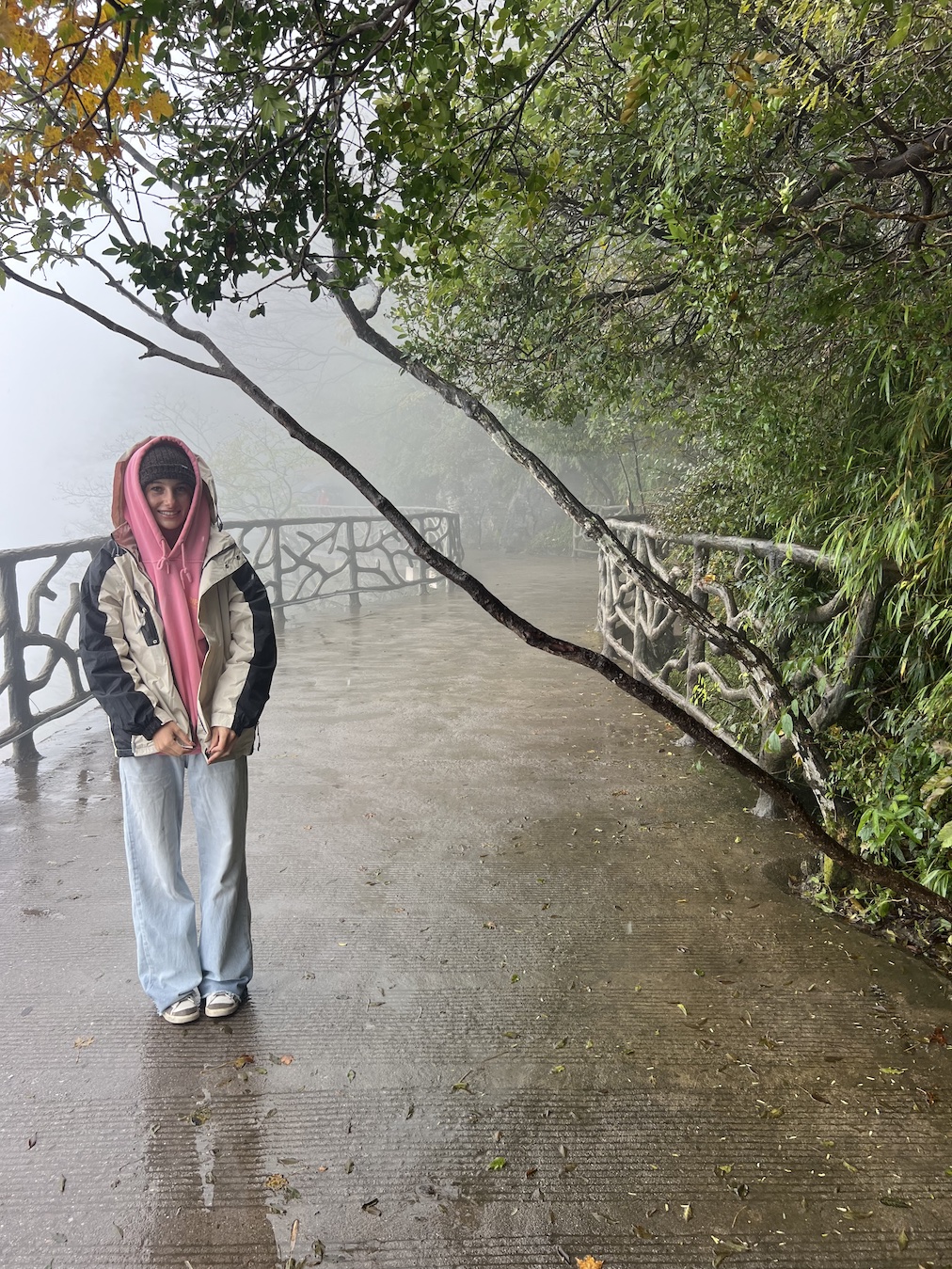
It’s important to keep your passport on you AT ALL TIMES. It is used it to scan you into Disneyland- complete with a facial recognition program- and into all National Parks. We needed it to take the Bailong Elevator in Tianmen Mountain, and they scanned it FOUR times throughout the day while we were in the park! Getting on trains, and obviously airplanes, but I was shocked how often we were asked for the passport, and at several places I did not expect. Getting off the metro at Tiannmen Square we needed to scan our passport and pass through another x-ray machine, that was surprising. We actually thought the officer was giving us an air heart with his fingers when actually he was making a square and requesting our passports.
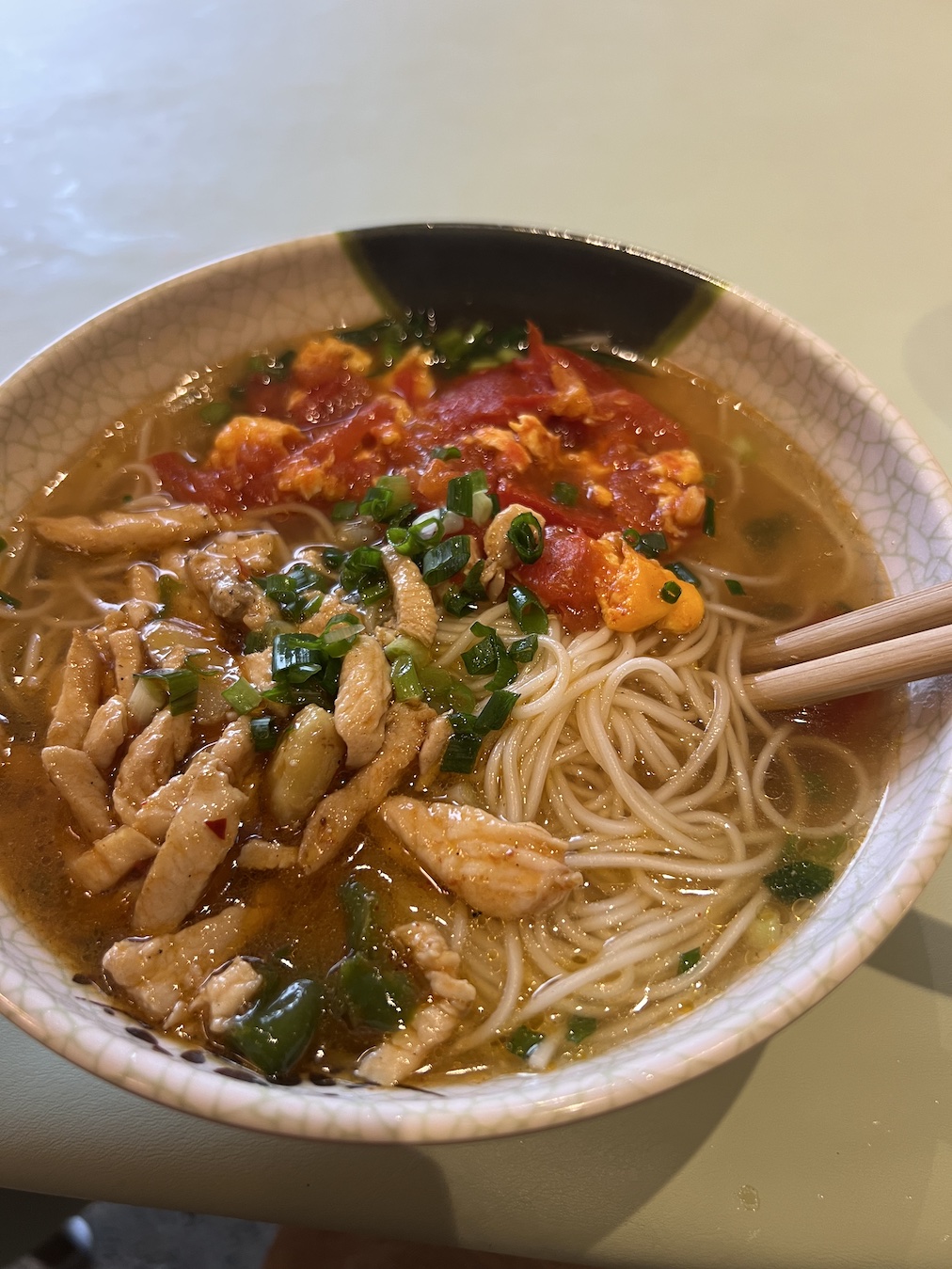
Things can be incredibly cheap. We were shocked to find that most of our meals were around $10 for two people! Our first night I was appalled when I paid 40yuan for two bowls of vegetable ramen- until I realized that only meant $5.50 in USD- for the whole dinner. Julie and I also had to break down and purchase jackets and beanies at Tianmen and it was only $40 for two heavy winter jackets and two beanies! Other dinners cost about $25 for the total bill, but that was for several dishes and drinks, so still not too expensive.
The shopping is SO good. There is so much of it at such competitive prices, we way over-shopped. We had to buy TWO new suitcases to get all of our purchases home. I was actually embarrassed to be with myself and all those rolling bags. But it couldn’t be helped.
People are bad walkers. For a culture that doesn’t appreciate being touched by strangers, they sure have no qualms about barreling into others while walking! Nor do they know how to queue up in a line, or take turns getting into elevators. They should definitely not be trusted with baby strollers, and they don’t mind telling you to “watch it!” should they be the one to run into you FROM BEHIND! They like to walk together three to eight people wide, forming a wall shoulder to shoulder, and not make room for anyone that wants to come between them from the front or the sides of a pathway. They also drive on the right and queue on the left which is unusual and adds to the confusion. It is remarkable how bad they are at walking, actually.
There ARE western style toilets. We had heard squatty potties were going to be the norm, but even in public bathrooms there were plenty of western style toilet options. Perhaps you had to wait for the stall you wanted in the airport bathroom, but it was possible not to have to use the squatty potty if desired. Although sometimes we did have to just go for it, it was less prevalent than I thought.
Technology makes it easier than ever to communicate. With google translate and portable translation devices, it can be super easy to communicate whatever is needed. There are resources to translate a written page, such as a menu. There are options to translate conversations on WeChat or Booking.com. It makes traveling to places that speak little English just a little less daunting.
Wrapping Up:
Just remember, China is a vast, beautiful, unique country with so much to offer. To ensure a successful trip, follow the procedures and rules, be respectful of the culture and people, and practice being a bit reserved so as not to draw unnecessary attention to yourself. Don’t touch strangers, always carry toilet paper with you, learn a few phrases like “Thank you”. Keep your passport on you at all times. Its absolutely worth a visit to China, and its not as scary as you might think!
Additional Resources:
US Embassy in China:
Address: No. 55 An Jia Lou Road, Chaoyang, Beijing
Tel: 010-8531 4000 or 011-86-10-8531 4000 if you are calling from the U.S.
Fax: 010-8531 3300
Email: BeijingACS@state.gov
U.S. Consulate General Shanghai: has jurisdiction over Shanghai, Anhui, Jiangsu, Zhejiang
Address: 9/F, Westgate Mall, No. 1038 West Nanjing Road, Shanghai
Tel: 021-8011-2400 or 011-86-21-8011-2400 if you are calling from the U.S.
If this number does not work, please call 010-8531 4000, or 011-86-10-8531 4000 if you are calling from the U.S.
Fax: 021-6148-8266
Email: ShanghaiACS@state.gov
Important Telephone Numbers:
If you are the victim of a crime please call the police immediately, the number listed is the same throughout China: Police 110
In the case of a fire incident please call: Fire 119
In the case of a medical emergency needing transportation to a hospital please call: Ambulance 120
In the case of traffic accidents please call: Traffic police 122
More Articles
Japan: My 7 Favorite Things
Japan is such a unique and diverse country, from mountains to beaches, cities to small villages, forests to religious sites....

Worldwide Disney Parks
Did you know that some of the inspiration for Disneyland began because Lillian Disney wanted Walt to find a new place to play...

The Best Place to Stay in Zhangjiajie
Zhangjiajie City is located in the Hunan providence, in south central China. It is known for its rivers and mountains and is a...