
The Machu Picchu Guide
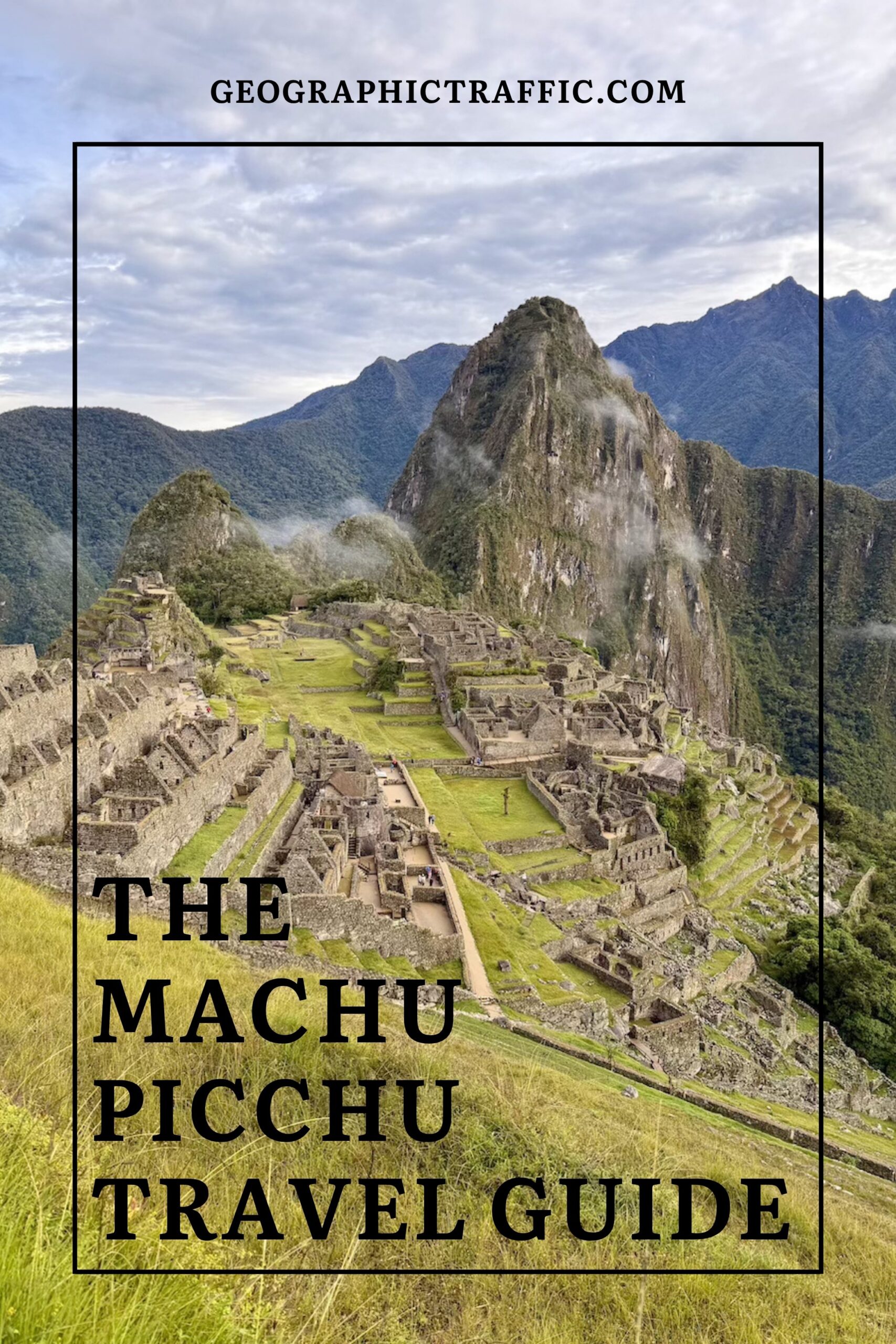
Visiting Machu Picchu is everything I ever dreamed it would be- beautiful, historic, and awe inspiring. It is nestled deep in the Andean mountains, surrounded by jungle, and far from any large cities. The difficulty of reaching this destination is probably part of what makes the achievement of arriving that much sweeter!
The History:
At the time of the Inca civilization, around the 15th century, the eastern parts of the world were coming alive in Renaissance. European navigators were discovering sea routes, trade route foundations were being laid, and Gutemburg printed the first book. China was in the Ming dynasty, a period of exploration, and the Mayan civilization was at its height. The Spanish were beginning to spread all throughout Central and South America, exploring and conquering wherever they could.
The Incas were a small, semi-nomadic tribe in the Andes that rapidly multiplied its land holdings and population by absorbing the tribes around them. At the height of their strength, the Inca controlled over 3000 miles of western South American. Their civilization lasted around 100 years before they started deteriorating in civil war- just about the same time as the Spanish landed on their shores.
The Sapa Inca was the ruler of all, descendant from the gods and owner of all the land. There were several notable Sapa Inca’s, but arguably the greatest Sapa Inca of all time was Pachacuti, who commissioned Machu Picchu to be built. Much Incan history has been lost, but Andean people still hold some oral histories and theories about their ancestors. They believe Machu Picchu was built as a ceremonial retreat, not a fortress as western archeologists would like to say. Since we were immersing ourselves in authentic Andean culture on our trip to Peru, I will be sharing the Andean viewpoints we learned from our guides and new friends.
The Archeological Site:
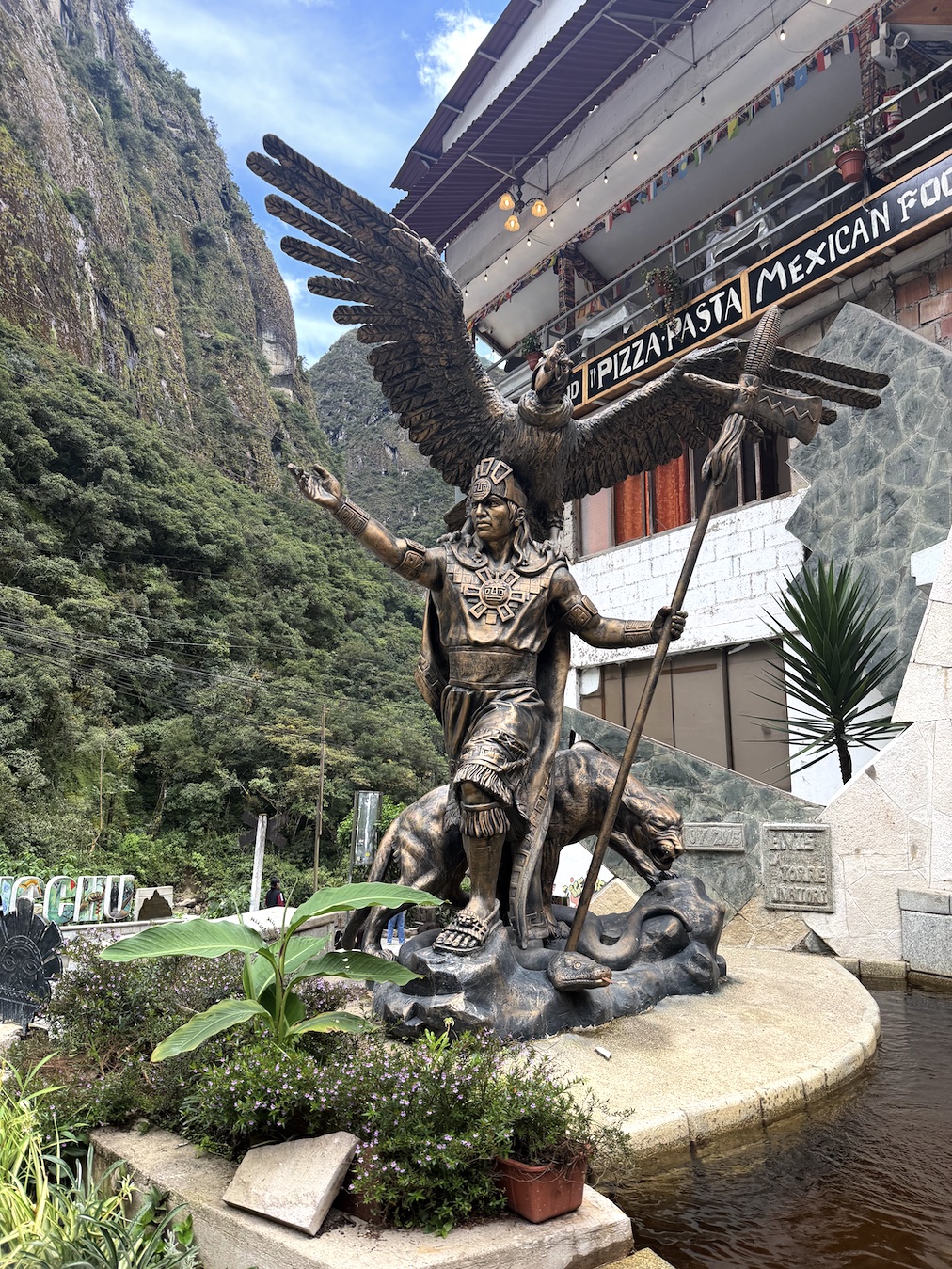
The unique geographic area of Machu Picchu played a major role in the chosen site. The magical-religious Andean ideologies of the Inca supported this area as an important ritual place. Andean people revered the apus, or sacred mountains, as protectors of their villages and towns. The mountains surrounding Machu Picchu provided protection, and an opportunity to be close to important apus such as Mt. Salkantay, the father of all mountains in the region. The river offered access to water and the nearby granite forest provided a quarry for construction materials. The Inca also liked to build on high ground because of the unpredictable flooding that happened in the valleys. The condor is the core sacred spirit of the site, viewed as a divine messenger and connection with the heavens.
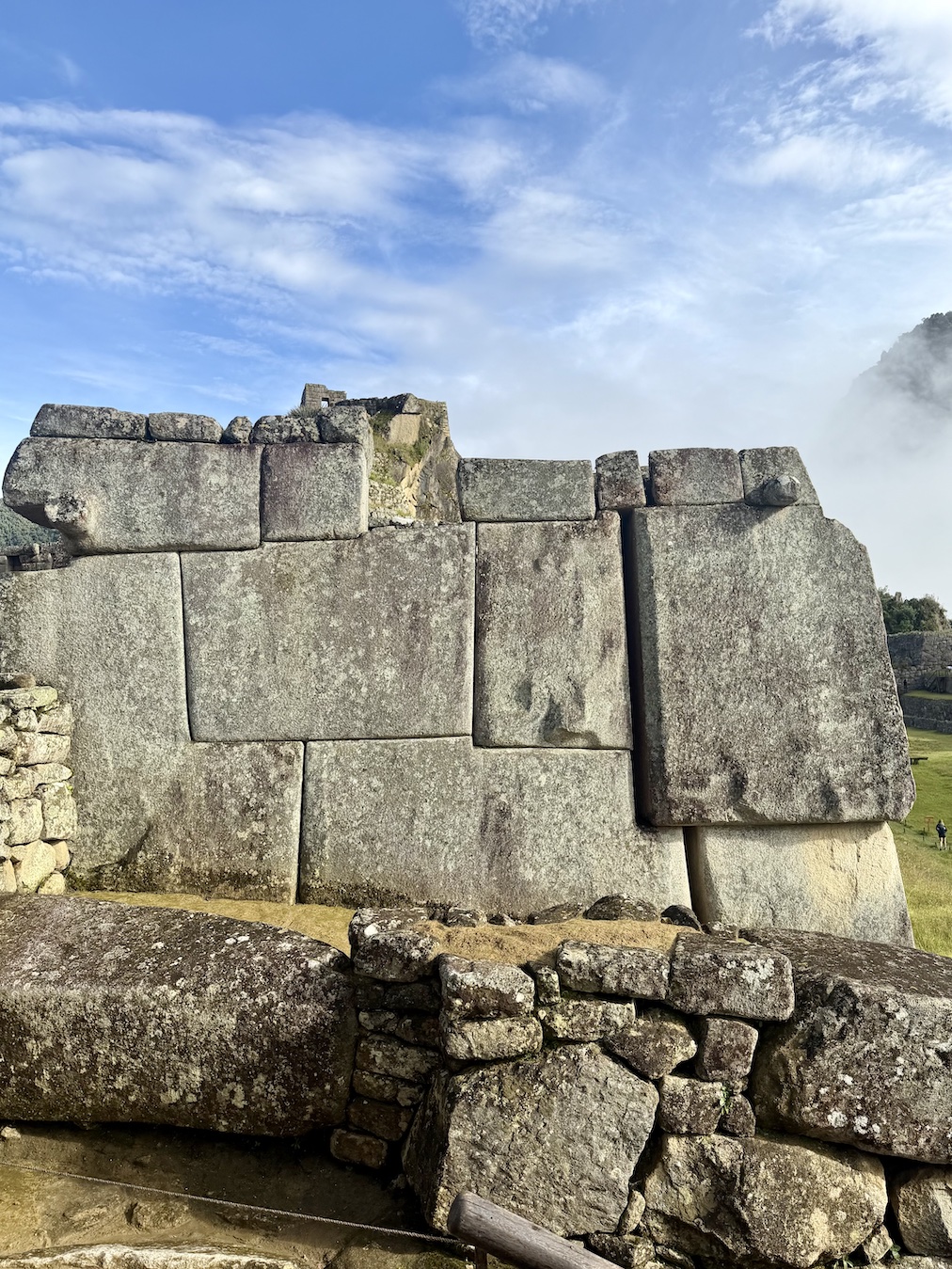
In this period of Inca history, the Sun was the most revered deity, the source of life and the father of the Sapa Inca. Therefore the June and December solstice were celebrated wildly and marked the beginning of the planting season or the dry season. Sacred ceremonial sites are found nestled throughout the grounds at Machu Picchu, facing different directions for the sunrise and the astrological constellations.
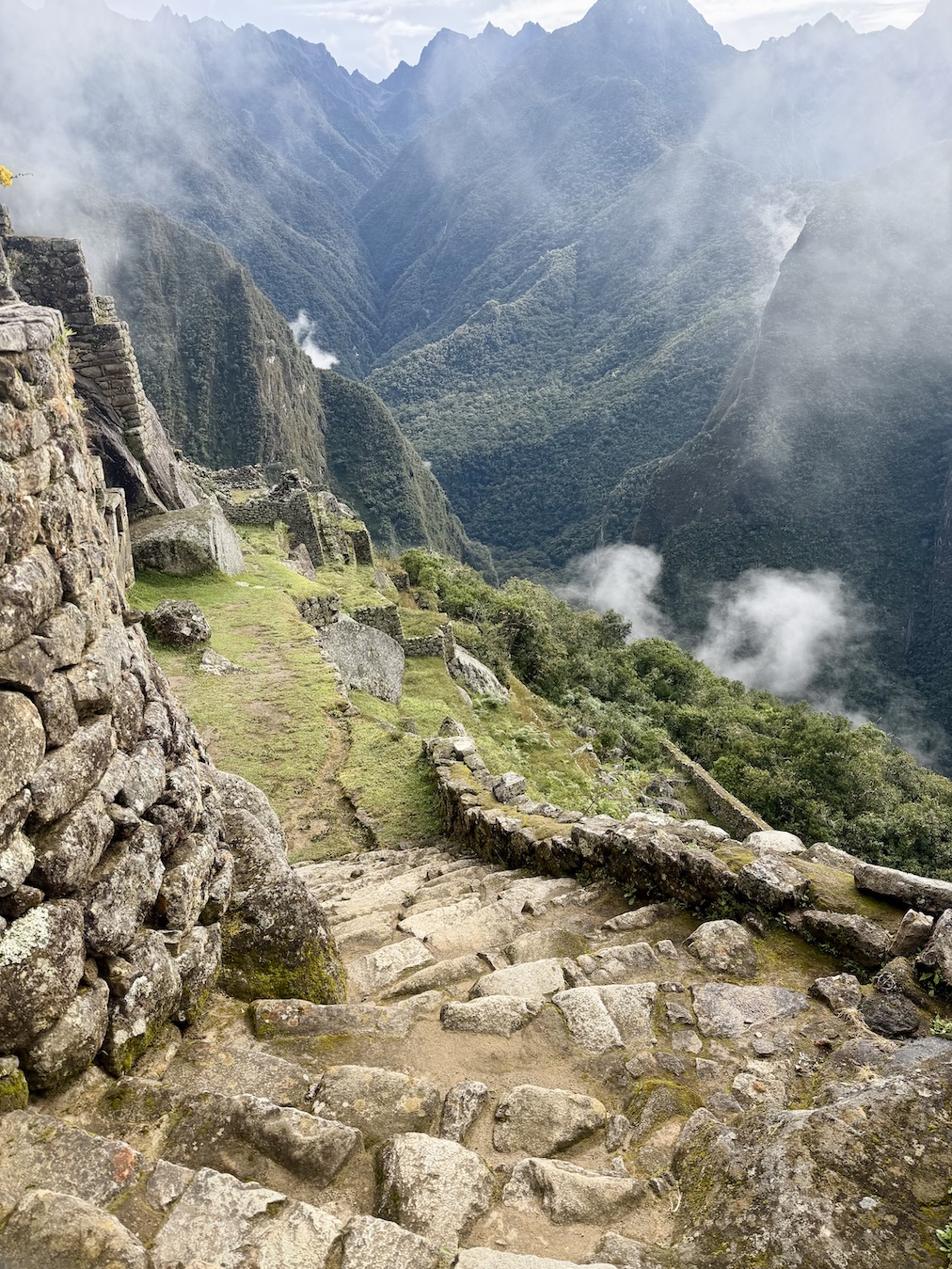
Great technological mastery of masonry and aqueducts are found on site. Water was moved from a nearby spring high in the mountain and directed throughout the city in a series of complex fountains and drainage gutters. Water was collected in clay pots and used in the home for cooking or hand washing. It was not used for irrigation of the extensive agricultural fields, as water was retained in a different way for crops.
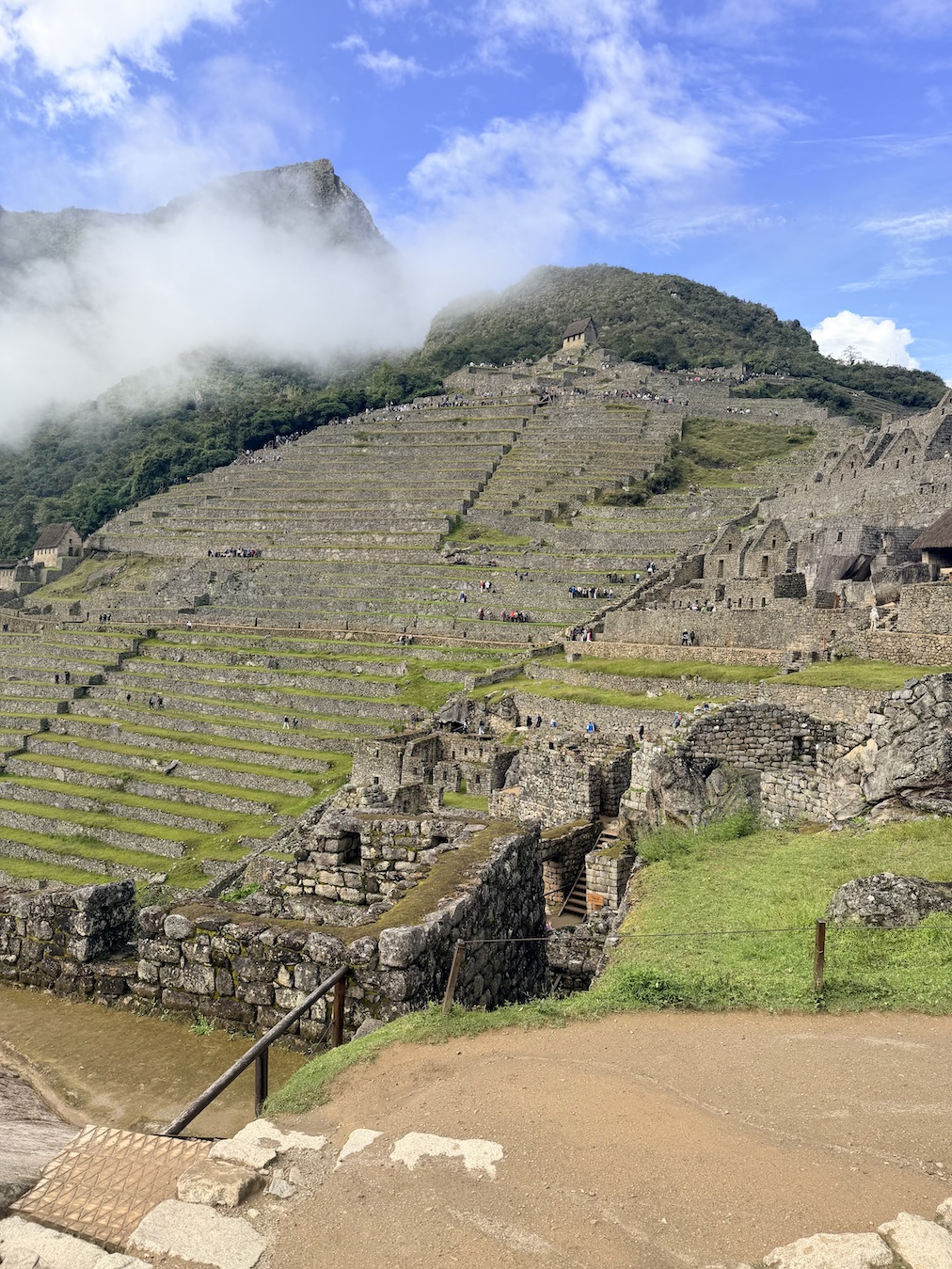
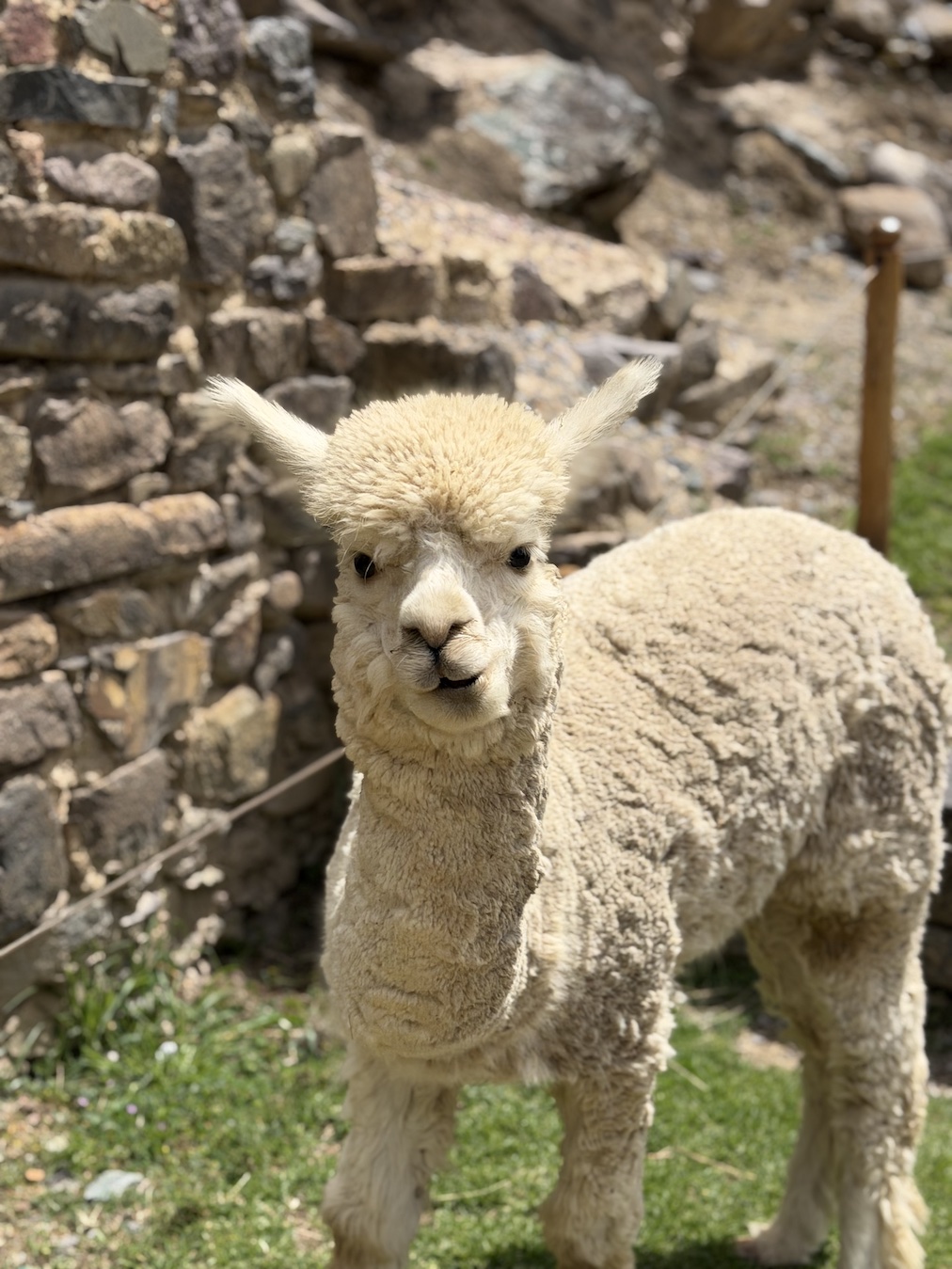
The tiered system of planting had been around long before the Inca, but they mastered and perfected the art. After the dirt was shaped in a stair step pattern, it was secured with a large rock exterior wall. Then, a layering of smaller rock, sand, and soil was added to each tier. This created a greenhouse effect in which the outer rocks heated during the day and prevented frost from reaching the delicate roots of plants. It also encouraged healthy drainage when there was an abundance of rain and retained moisture when there was a dry period. The Inca were interested in the science behind growing plants at different altitudes and creating new species of plants, and they were incredibly successful. Corn, potatoes, and squash were staples of the Inca diet, along with grains like quinoa and animal proteins such as alpaca meat.
It is believed that 400-600 people lived full time at Machu Picchu, keeping the site running smoothly and improving upon it until the Sapa Inca would visit again. Even after death, it is believed the Sapa Inca was brought to Machu Picchu as a mummy for seasonal ceremonies. Countless artifacts were found on site, such as grinding stones, pestles, ornate clay pottery, intricate jewelry, bronze tools, knives and Illas. Illas are rocks that an Inca brought from their home and offered at a temple like the ones in Machu Picchu for protection or gratitude. This custom is still being performed by Andean people today. There were no weapons found at the site of Machu Picchu, further debunking the theory of the site being used as a fortress.
Every day, visitors come together from all over the world and appreciate the Pre-Colonial advancements of the peoples on this South American continent. Even today the Inca civilization and technologies are impressive. We are lucky the ruins have stood the test of time.
How to get there:
Most people begin their journey from Cusco, the hub of the Sacred Valley. Cuzco is the oldest continuously inhabited city in South America and has many great layers of archeological ruins from the indigenous, Spanish, and current Peruvian peoples. If you have read my other Peru advice, you’ll know we recommend staying in Urubamba as a base to explore the Sacred Valley and on the days prior to Machu Picchu, instead of Cusco. Wherever you stay, you will need to take a bus or car to the train station, and then train (or trek!) from Ollantaytambo to Aguas Calientes the night before you are set to visit the Machu Picchu archeological site. We did not trek the Inca trail so I can only speak to the train journey. Tourists can choose between Peru Rail or Inca Rail. We took Inca Rail, and it was a nice experience. The windows were much more panoramic and there were tables between each group of chairs which made the ride scenic and comfortable. The Peru Rail windows are still picture windows, although there are no tables, but the seats looked much more comfortable. Both are a tourist trap and both provide a kind of “show” with pomp and circumstance, and can be kind of corny. Either railway is likely fine, no need to overthink about it. The train ride takes about two hours one way and is gorgeous.
Where to stay:
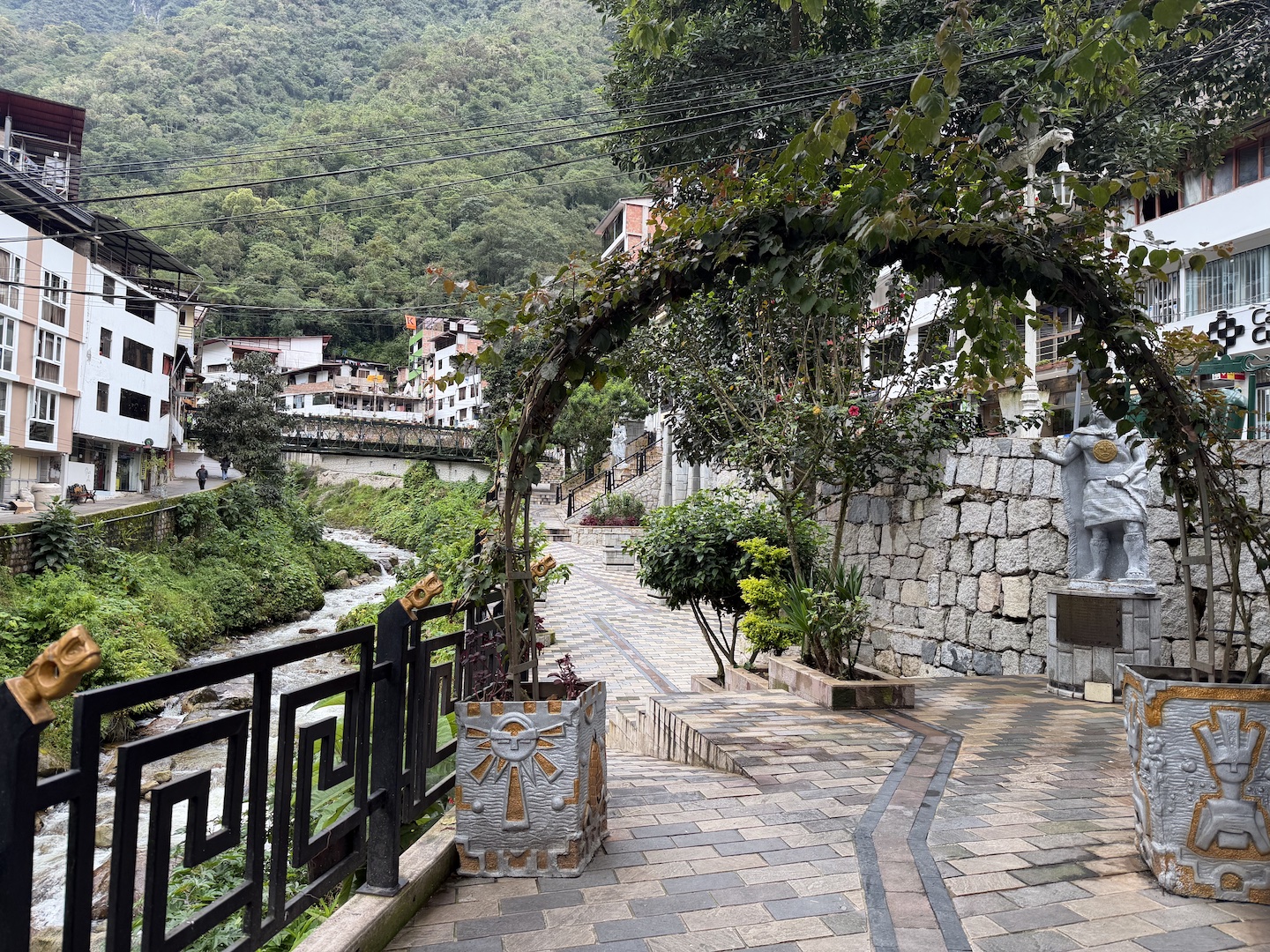
The village of Aguas Calientes, or Machu Picchu Pueblo, is super small and walkable. Booking virtually any hotel or accommodation near the train station is convenient. The streets are narrow and hilly, and can be steep, so consider your baggage when picking a hotel further from the train station. Rolling bags are not the best option for Peru in general but especially not here. Upon exiting the train station you are immediately enveloped in a loud and chaotic marketplace, so having a backpack or duffel bag is super helpful. A good overnight stay could be Inti Punku Machupicchu Hotel and Suites, or something in that geographical location. We also spent a lot of time near Rockrivers Hotel and Resturant, so that geographical area would be convenient as well. There were dozens of options and everything in the Pueblo is super close.
Visiting Machu Picchu:
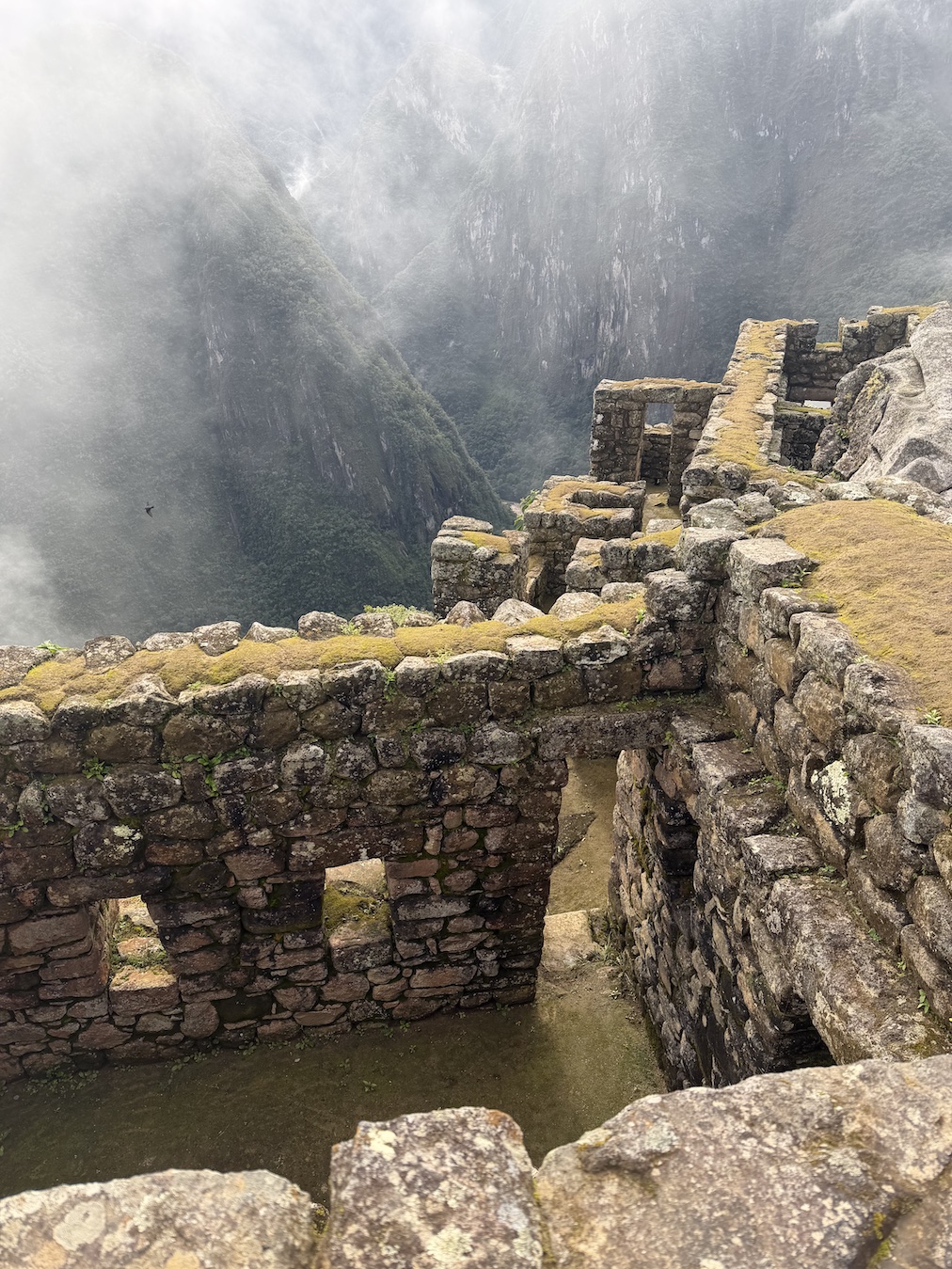
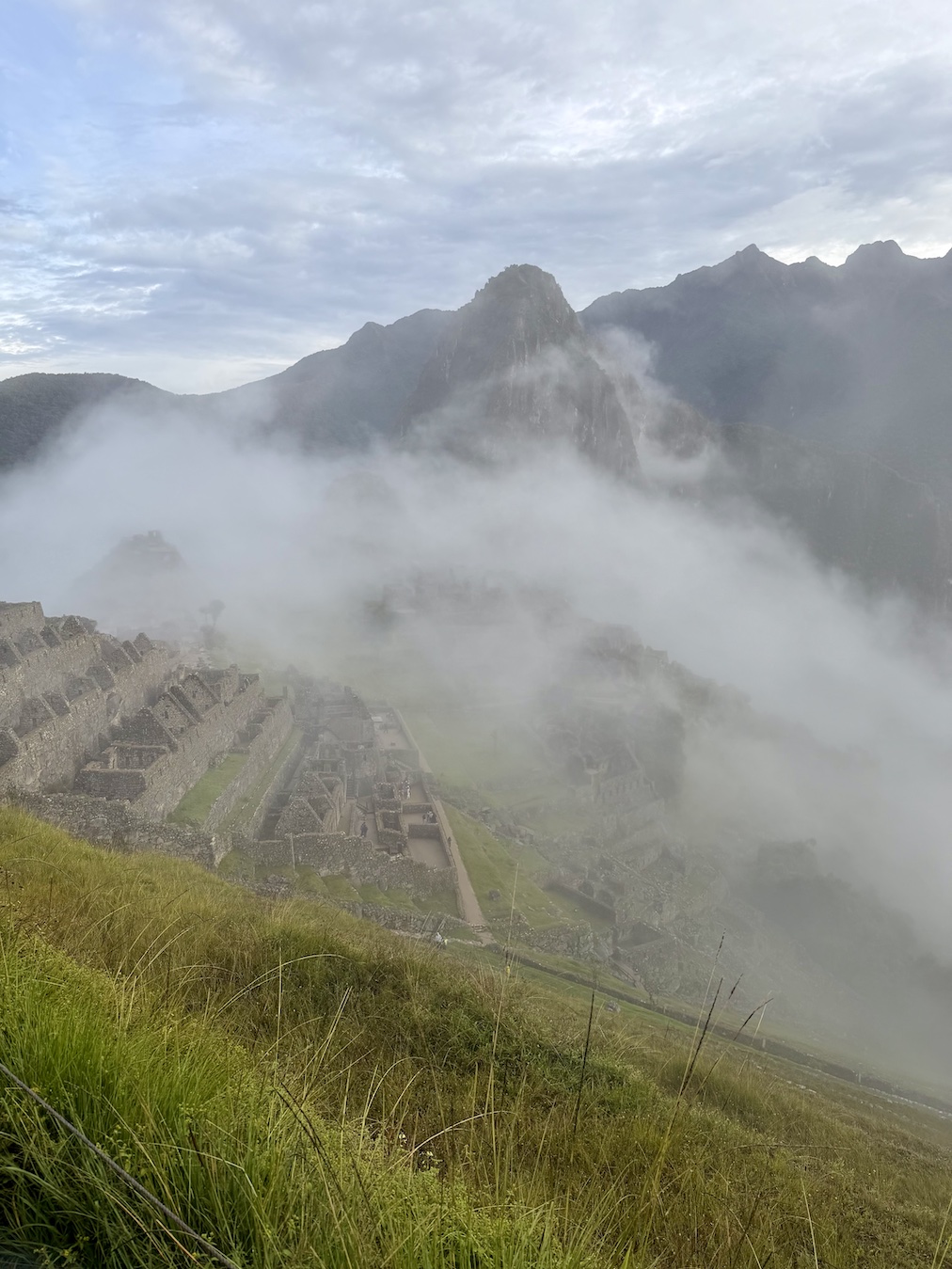
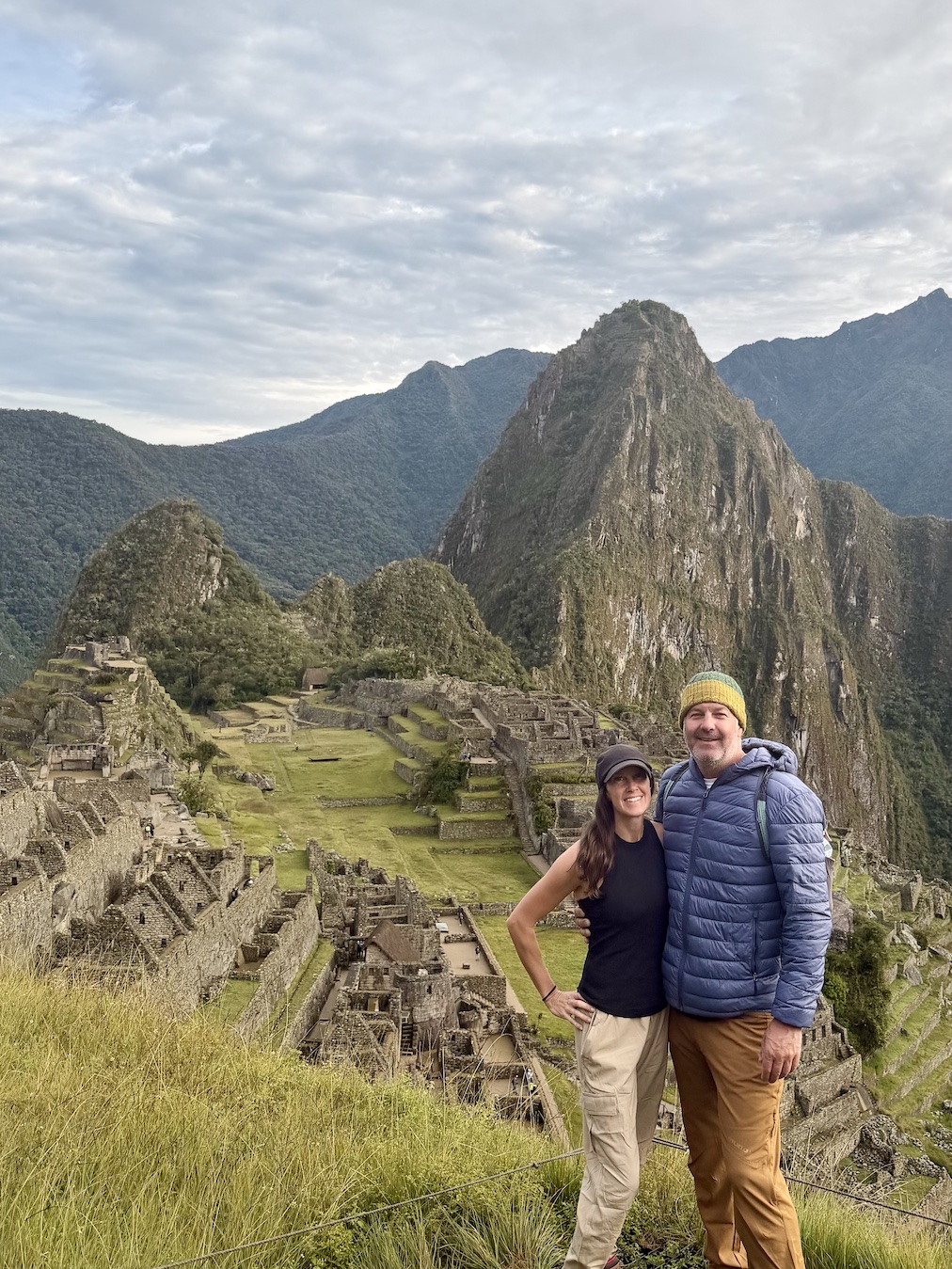
Start your day before dawn so you can get a great view of the site as the sun rises. The photos below show our view upon arrival, and then 15 minutes later, and you can see how quickly the clouds can roll in and back out. To get there, you can take a winding bus ride from Aguas Calientes to the entrance of the Machu Picchu Archeological site in about 20 mintues- or you can hike. Hiking the Camino Peatonal from Aguas Calientes is a grueling 3 miles, including 1600 steep stone steps. However, you get the satisfaction of walking in the footsteps of the Inca as they came up from the river for a bath or to collect sand. If you are worried about the hike up, and you opt for the bus, we definitely recommend taking the hike back down after your tour. It is a lot less difficult going down and the trail drops you right at the entrance of the Museo de Sitio Manuel Chávez Ballón where you can enjoy free admission with your Machu Picchu day ticket after noon. The museum is very well done and informative with many artifacts on display and it’s definitely worth the stop.
When you enter the Archeological site, there are several ticket options. You can do a circuit; 1, 2, and 3 seem to be the most popular. We chose circuit 3 and saw everything- the iconic overlook, the ceremonial areas, the village homes, and the agricultural terraces. You have to book your ticket well in advance to get access to Circuit 2 or 3, as they will sell out. (Circuit 1 is the easiest ticket to obtain, but only allows you to see the iconic overlook.) Beyond this, there is an additional ticket to hike Machu Picchu Mountain or Hyuana Picchu Mountain. We did not book either and heard they were amazing so I did regret it. The most important advice we can give you is to book a private tour! We rarely take tours or recommend them but in this case we would have missed out on so many lessons, it was well worth the extra expense. There is a stark difference between wandering around some old stones and immersing in the full experience. You’ve come this far, best to go all the way!
What else to do in Aguas Calientes:
It is most convenient to arrive in Aguas Callientes the day before you plan to tour Machu Picchu, because you will likely want to get a super early start in the morning. Not only is it less crowded at that time, but you have the best chance of getting clear skies around sunrise, allowing you the full panoramic National Geographic views. Depending on what time your train arrives in town, you may choose to wander around a bit and grab dinner before an early bedtime. Some things you might do to pass the time are: visiting the butterfly sanctuary, taking a dip at the hot springs, hiking to the Alcamayo waterfall, or shopping at Machu Picchu Pueblo. There is plenty to keep you busy for several hours if you want to head to town early and relax.
If you are pressed for time, just the one night in Aguas Callientes is plenty. You can do your early tour of the archeological site, hike down the mountain to the museum, and even have lunch in the Pueblo all before noon. Therefore, a 2pm train back to Ollyantaytambo would be realistic and not even leave you in a rush. Depending on where you are headed after Machu Picchu, this might be a nice jump on your next day.
If you are looking for some dining options in town, we have a couple of suggestions for you. Finding a table near the river is wonderful as it allows for great views while you dine. We ate at .. and the food was great. We also found a little cafe called… and ended up eating there twice because the food was so good the first time. There are also several restaurants and cafes tucked in around … that looked enticing but we ran out of time to try any of them.
The Bottom Line:
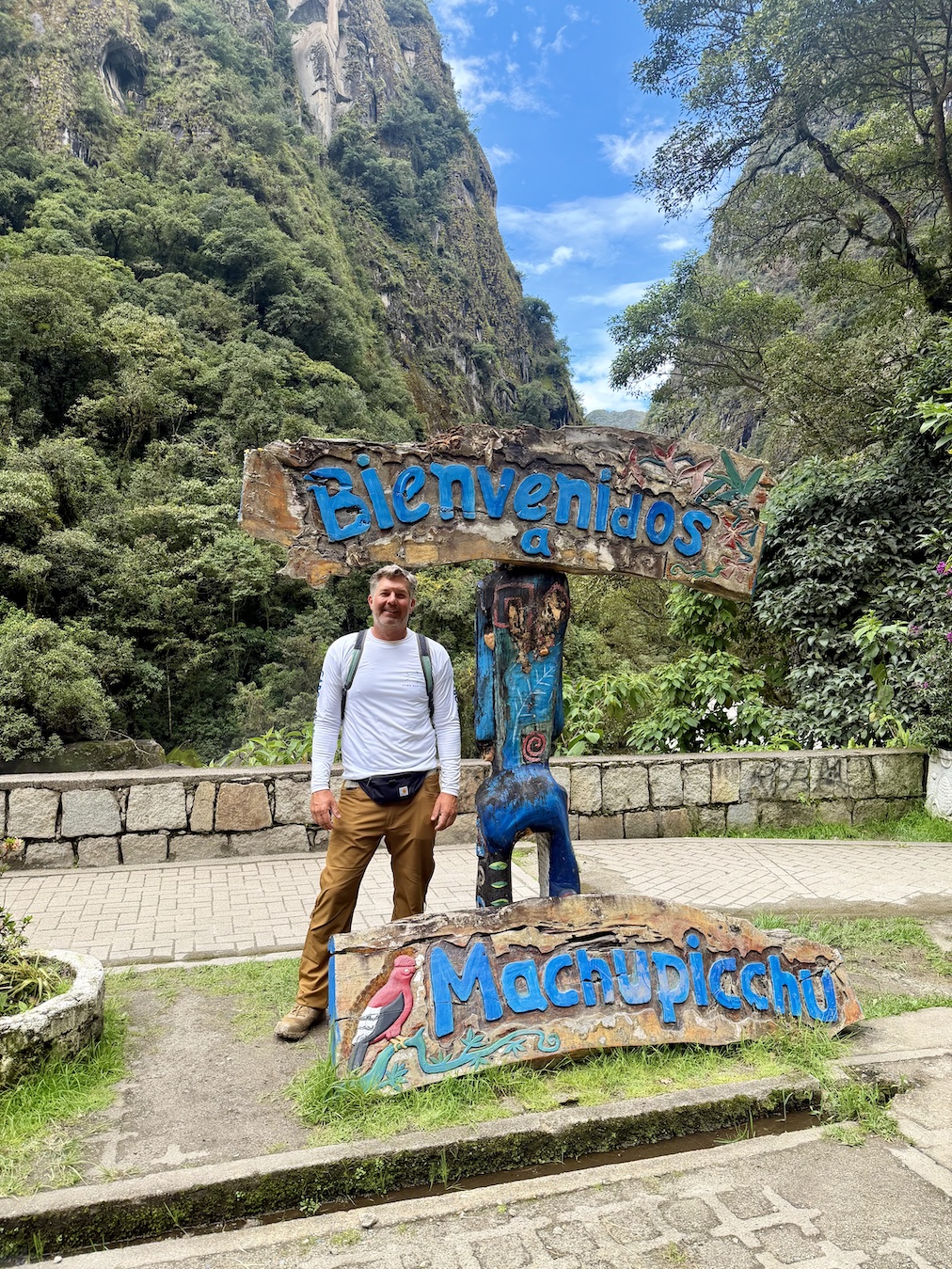
Macchu Picchu has definitely earned its place as a wonder of the world.The topography is stunningly unmatched and the Incan civilization is interesting to learn about. Getting there and exploring may seem daunting, but the Peruvian tourism board has done a great job making it as accessible as possible for most visitors. Standing in the shadow of this icon is absolutely worth the adventure!
More Articles
Germany Road Trip
Discover the best Germany road trip routes, from scenic drives through historic towns and fairy-tale castles to stunning alpine landscapes and cultural highlights — your ultimate travel guide for exploring Germany by car.
Girls Weekend: Victoria, Canada
Being on a trip with a friend is a different kind of reset that resonates with the soul. Close friendships harbor loyalty;...
Alaska Bucket List: 30 Adventures to Discover
Alaska is the largest state in the United States of America and about 1/3 of its land is in the Arctic Circle. With only 20% of...