
Japan: My 7 Favorite Things
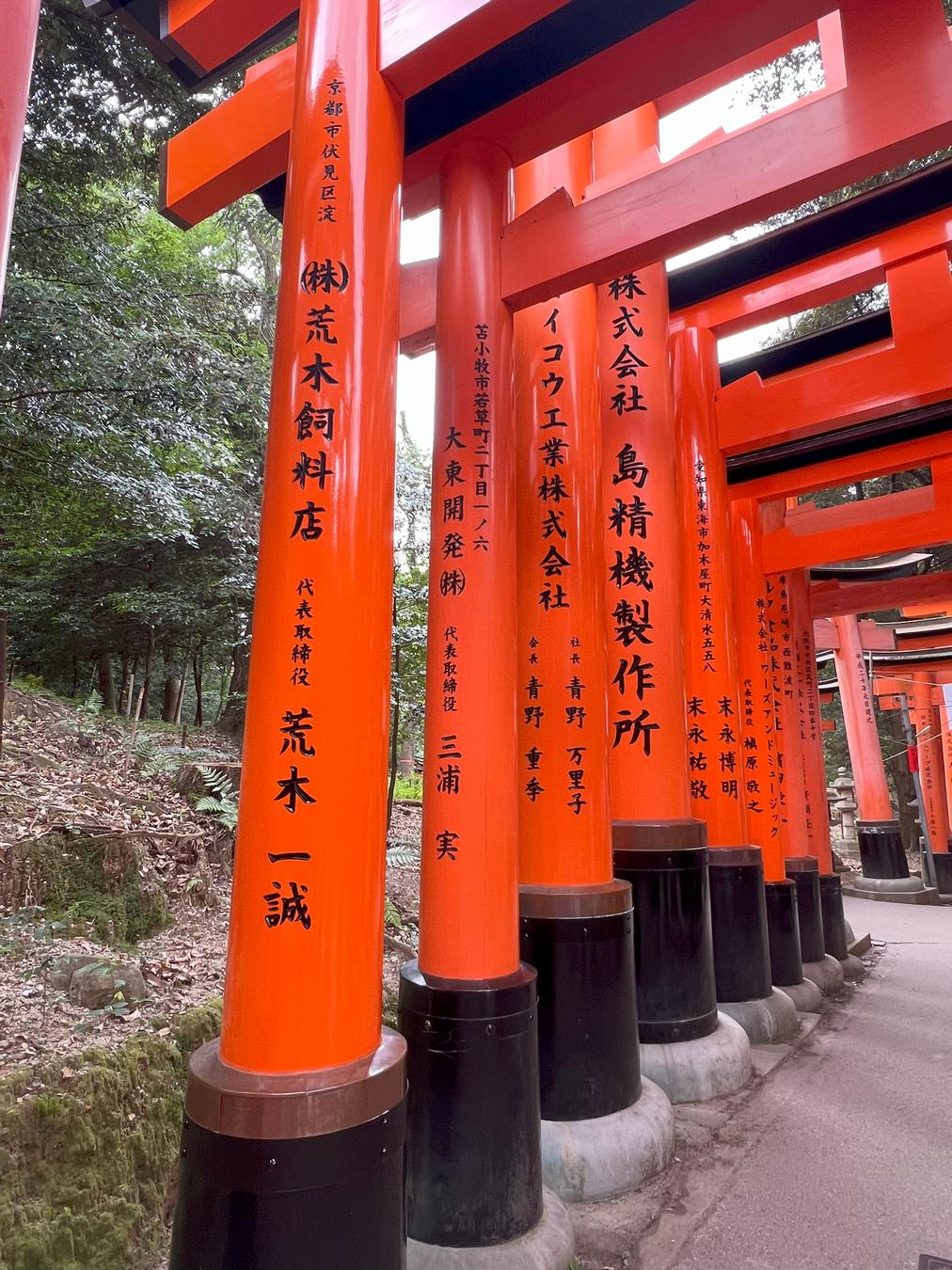
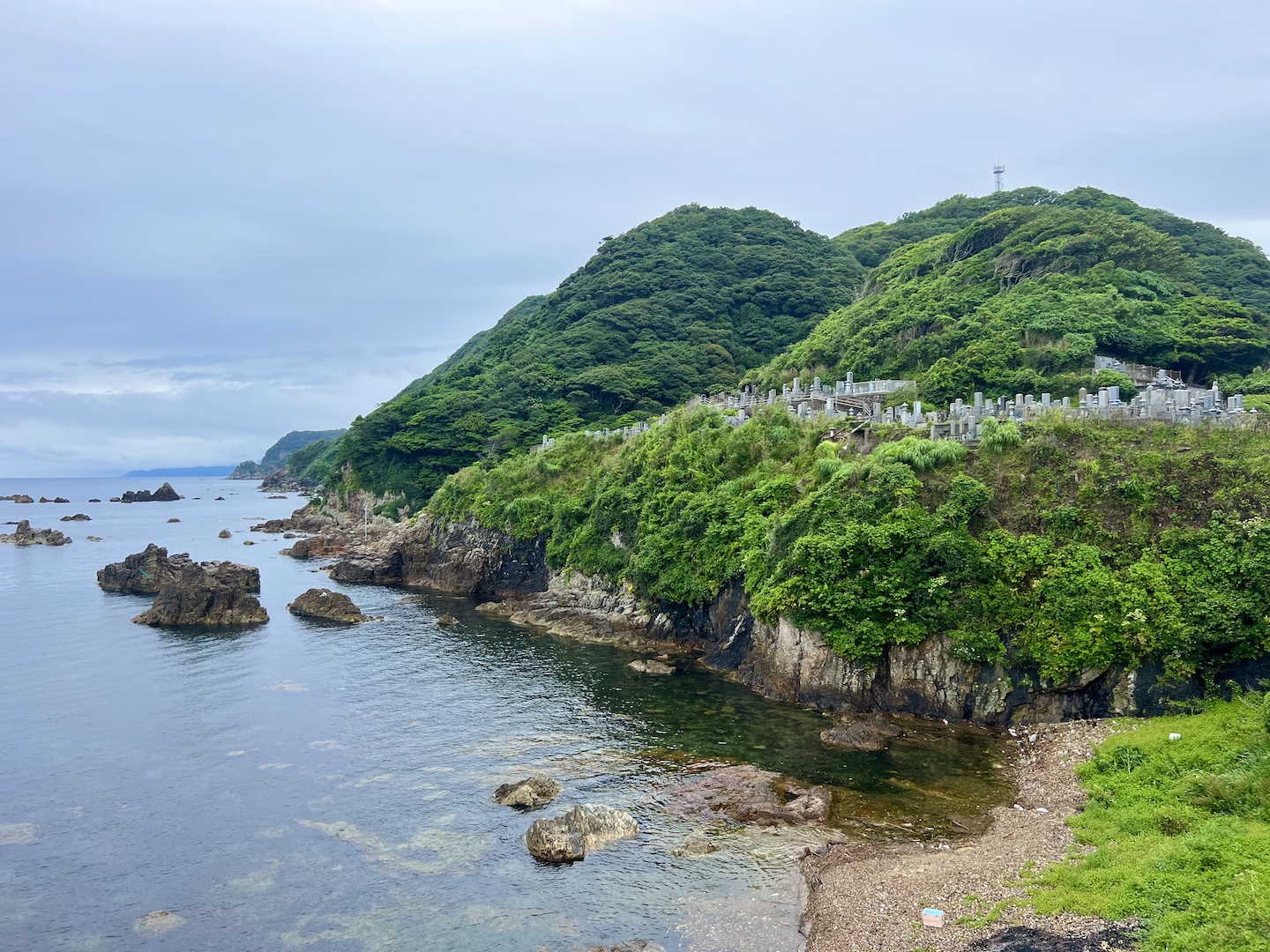
Japan is such a unique and diverse country, from mountains to beaches, cities to small villages, forests to religious sites. There is so much adventure to choose from, I could never capture all of the best things in one article. However, I will share 7 of my favorite things:
- The People
I have yet to find a more subtle and conservative, yet innovative, people in all the lands I have visited. They are traditional, with a high value placed on family and caring for each other. It is a cultural expectation to be respectful of others and live a sustainable lifestyle. Most people show patience and kindness in a thoughtful way. For example, there are hardly trash cans anywhere on the street, although it is strikingly clean everywhere. Most toilets have a bidet and homes are equipped with technologically advanced equipment. They value order, although they are flexible to change. They are avid sports fans, and have a love for all things pop culture. They can be devout in their beliefs. They have a high appreciation for nature, especially blossoms, which can be seen in much of the artwork in the country. The Japanese people are an enigma, preserving the past, and yet contributing to the future. Being around them brings a level of peaceful contentment like coming home.
- The Religions
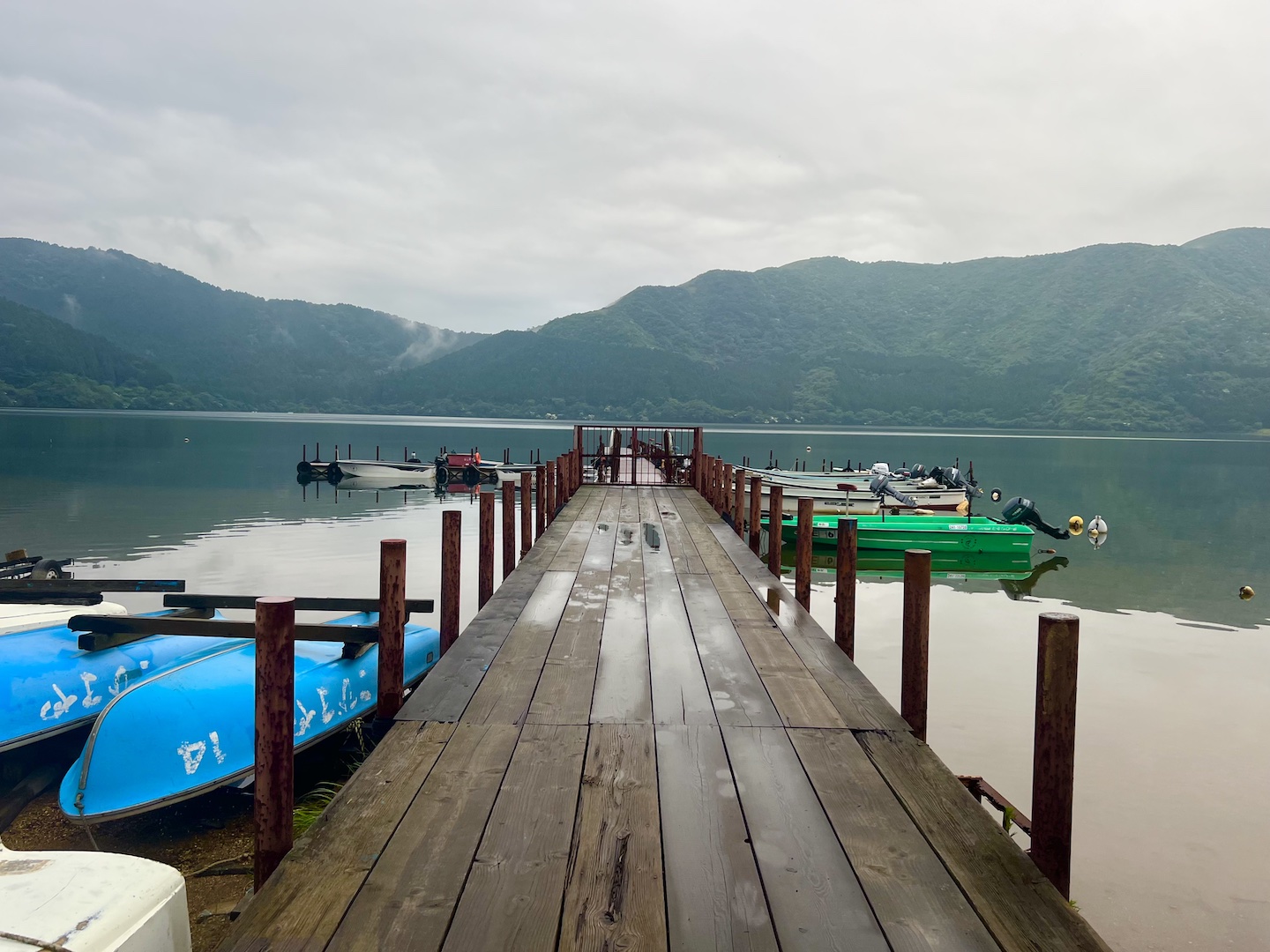
Buddhism and Shintoism are the main religions of Japan, and they have a unique complimentary relationship with each other. Shinto is indigenous to Japan, and is rooted in rituals to keep away evil spirits. Shinto gods, or kami, are spirits that represent things important to life like wind, fertility, or ancestors.
Buddhism came to the country from Korea initially around the 6th century. It is seen as a way of life and follows the teachings of the Buddha, which leads to a path of enlightenment. I love the strong reds of the Shino shrines and torii gates, like those found in Fushimi-Inari Taisha in Kyoto. But I equally love the tiered roofs and peaceful elegance of the Buddhist temples. I love the encouragement for meditation in a zen garden, and I love the old and great wooded buildings that have been preserved. I enjoyed getting our fortunes read at the temples, although they were not always positive. I enjoyed watching the monks methodically going about their duties in quiet reflection. They are not the only religions in Japan of course, as all are accepted, but I just appreciated being able to observe these practices in a special place. Both religions teach tolerance and live in harmony, as seems to be the way of the Japanese people.
- The Hot Springs
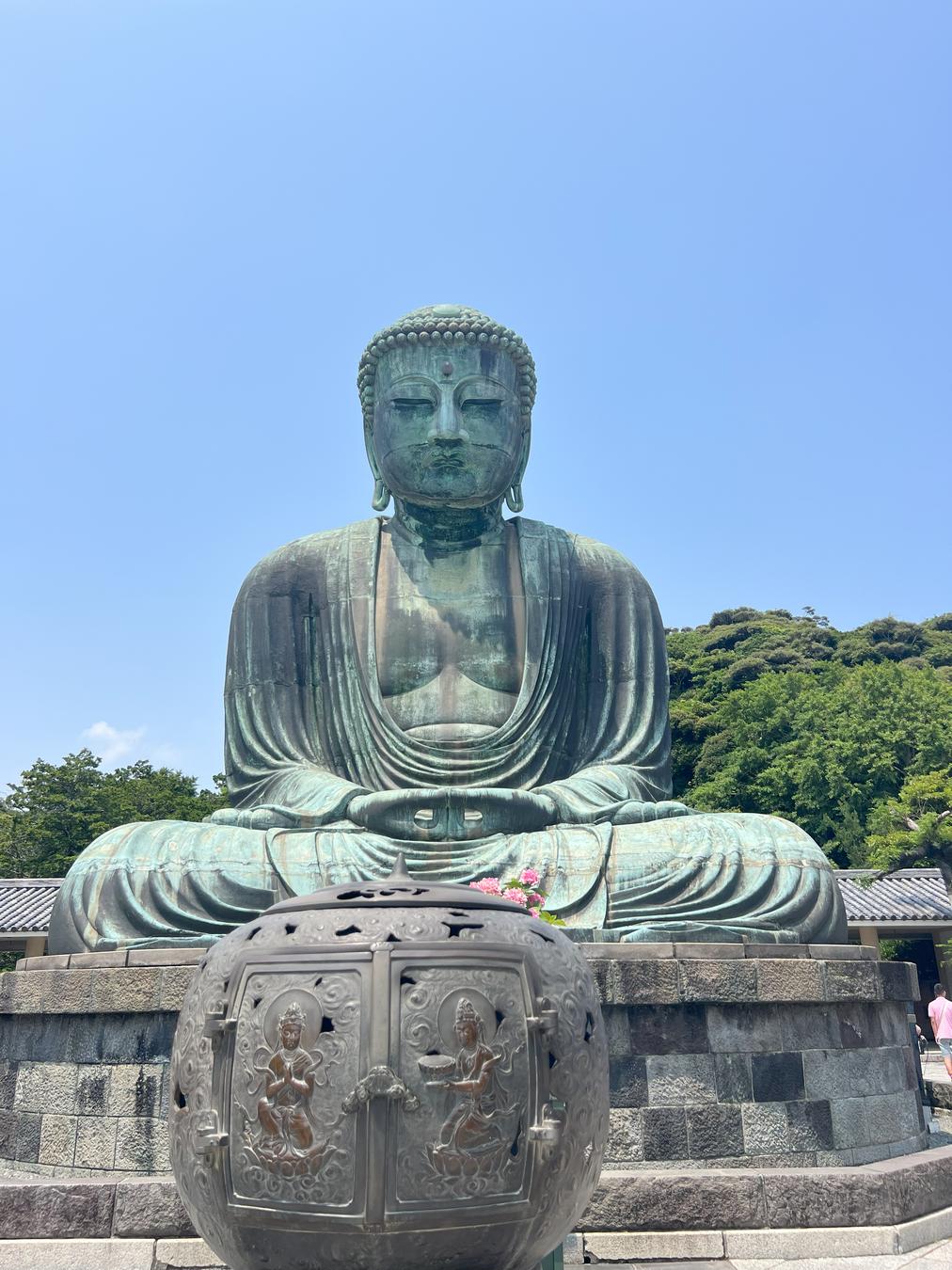
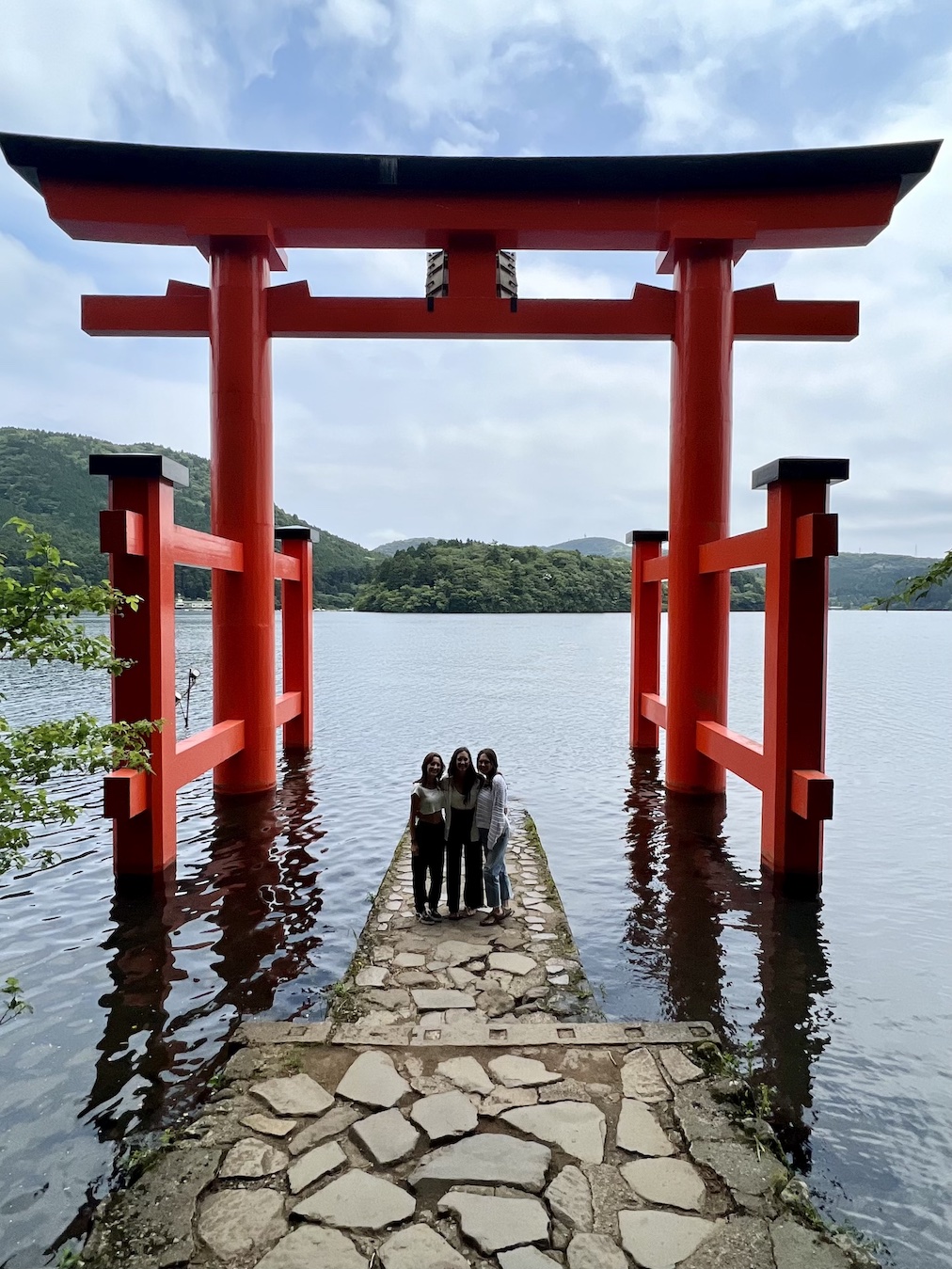
Onsens, or hot springs, are an important cultural experience for Japanese people. Similar to the custom of washing hands and face before entering a shrine, water purifies the body both physically and spiritually. Japanese believe it is important to take care of oneself as a whole, and one way to do that is to rejuvenate in the therapeutic and spiritually revising onsens. It can also be a community or social setting to connect with family and friends. Historically, samurai healed their wounds in the hot springs, and there are rumors of animals being found soaking their injuries as well. The waters are seen to treat many physical ailments such as diabetes, pain, constipation and rheumatism. Many hospitals are built on hot spring sites and Japanese people drink the highly alkaline water for the minerals.
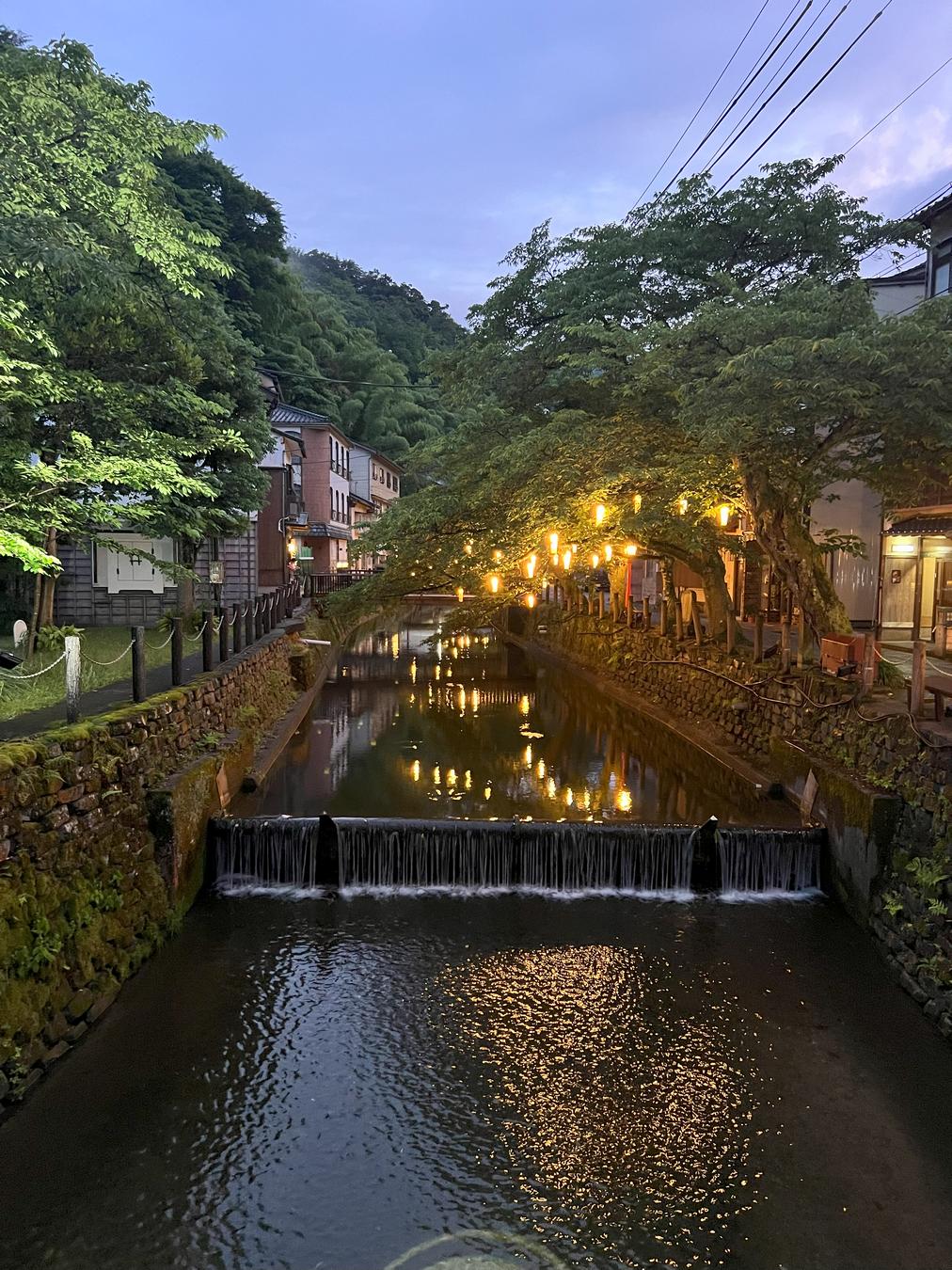
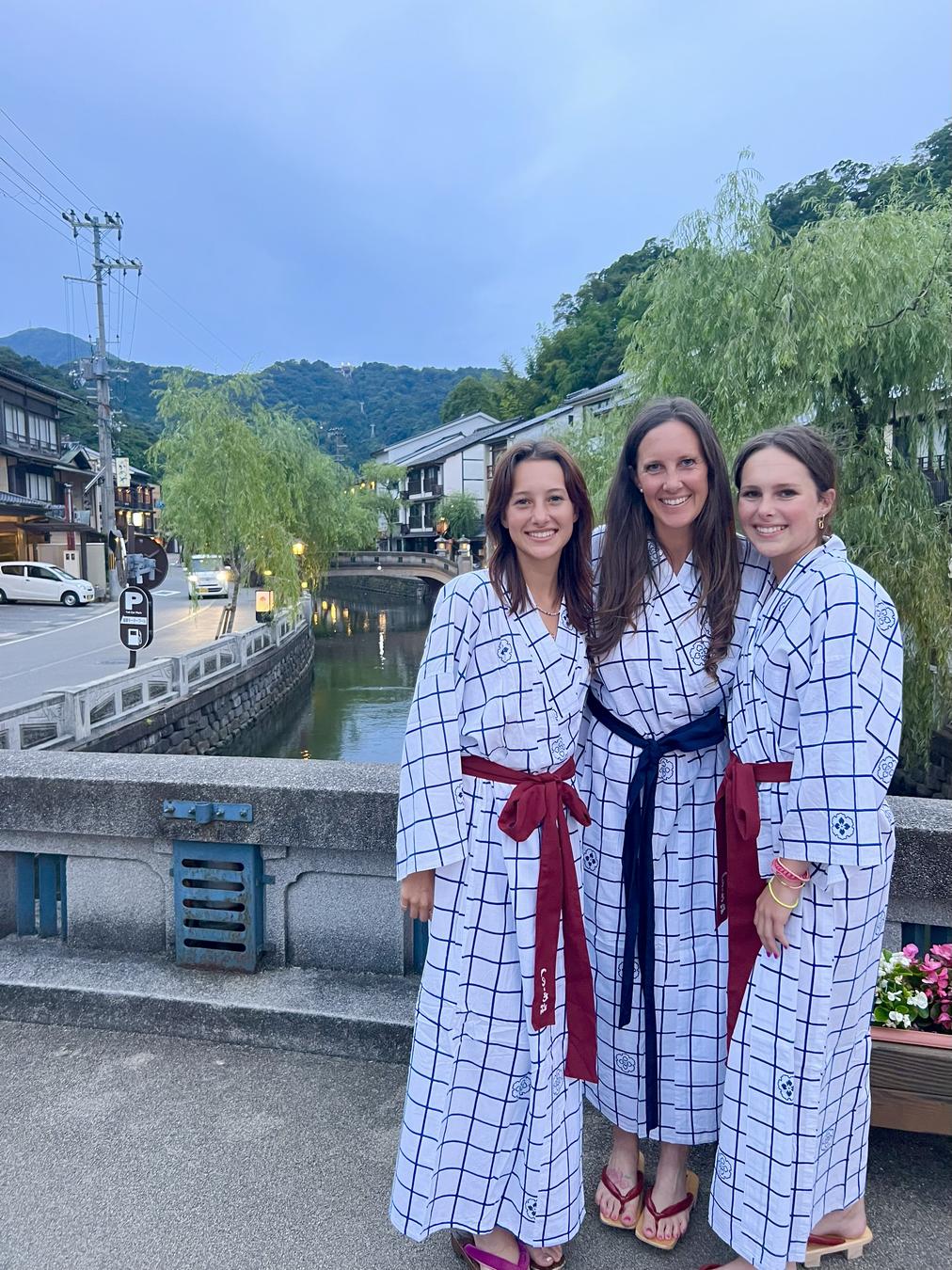
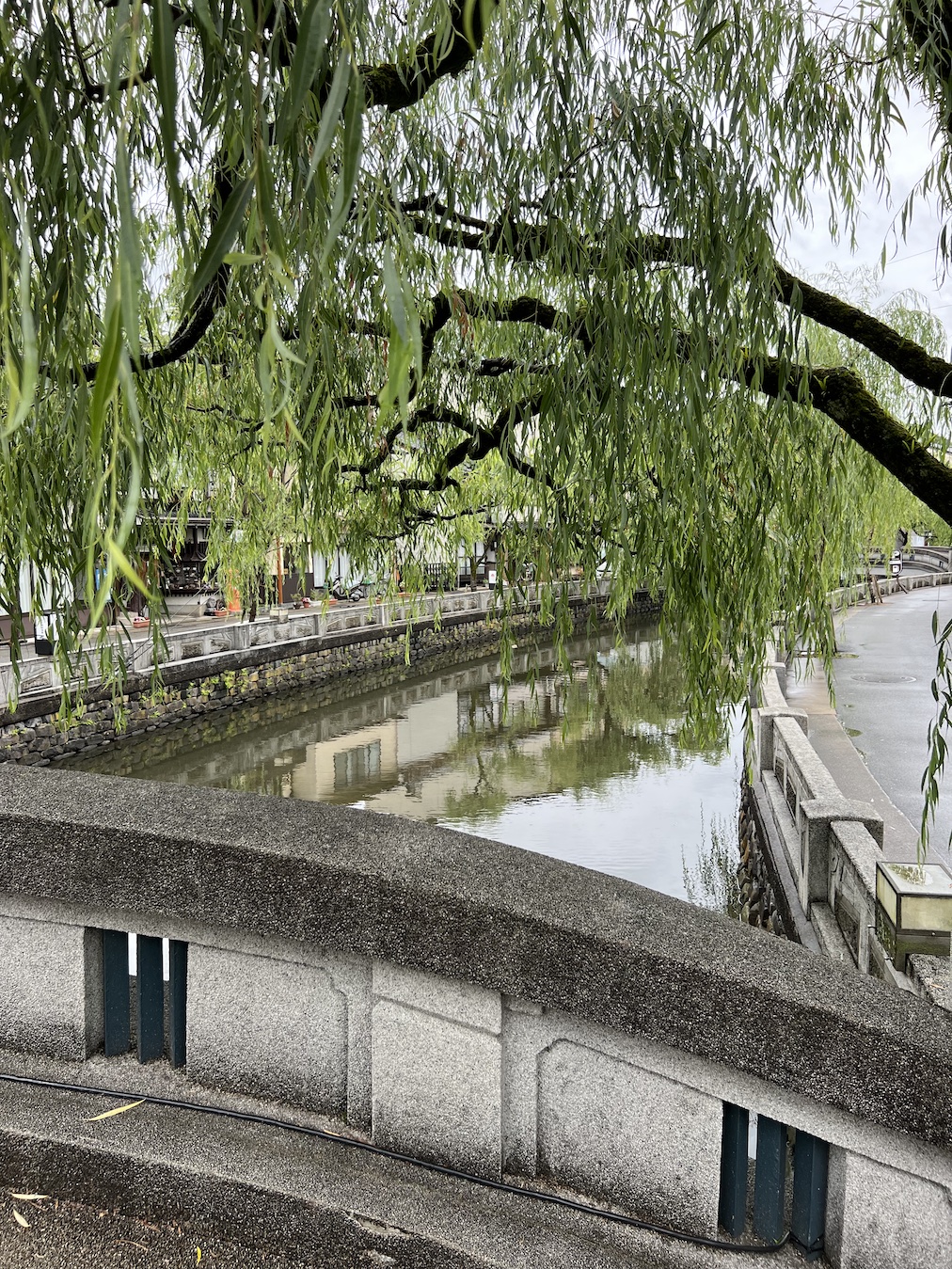
We were lucky enough to visit Kinosaki Onsen Village and stay in a traditional Japanese Inn, or ryokan. We clogged through town with our wooden sandals- Geta- and matching kimonos, stopping at any of the public hot springs along the village canal streets. As we wandered over the many bridges, we admired the weeping willows dipping into the water below and the wildlife enjoying their habitat. When we used one of the hot springs, we dropped our kimono in a locker, scrubbed our bodies in the showers, and then entered the calm waters in nothing but our birthday suits. It was a great stress reliever and fun bonding experience. Each hot spring was unique in its design and decor, from traditional tiled pools to more natural concrete ponds in lush gardens. We also ate some of the most fabulous food in the town- hello Wagyu steaks- and we took ourselves for massages as well. It was fabulous. I might actually move there when I retire and live out my days in that perfect setting.
- The History
Japan is rich in history and there are several avenues to go deeper into Japans historical landmarks. I am particularly captivated with World War II so I was interested to learn more about the perspective from this side of the world.
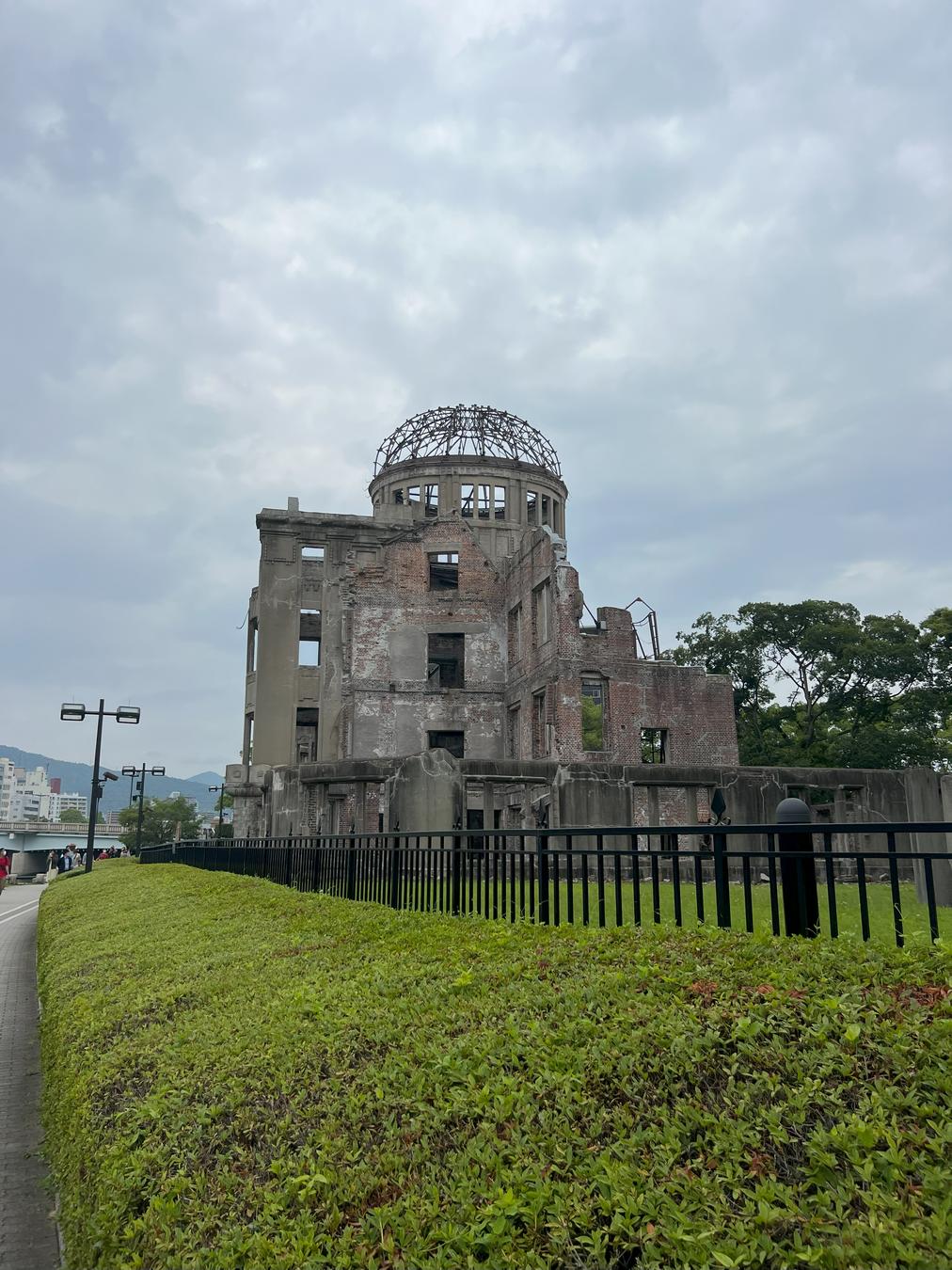
Even if you are not interested in the War, I think everyone should take the opportunity to visit the Hiroshima Peace Memorial Museum and Park. The devastation wrought on August 6, 1945 by the atomic bomb can still be seen today, and remains a testament to history. The Museum stands to convey the horrors seen in Hiroshima and promote the message of “No More Hiroshimas.” Following Japans surrender and subsequent occupation by the Allies, Japan was forced into political and social reforms such as adopting a constitution, educational equalities and land ownership changes. At the time, Japanese people may have felt hostility towards the Allies, while some were grateful for the reforms and help rebuilding. From the end of occupation in 1952 through the 1980s Japan experienced rapid economic growth and remains an economic powerhouse today. Some Japanese still hold true to the belief that Japan needs to break from the constraints placed on it in 1945, although most were quick to adapt and thrive in a new world market.
Being American and walking through the Peace Memorial Park and Museum, I couldn’t help but feel a bit of shame for the devastation wrought. Justified or not, tens of thousands of innocent people were killed for this choice. I felt Japanese people would be justified in being untrusting of us, and maybe resentful even. But that was not the case at all. Everyone we met was just lovely and the Peace Memorial was done with such elegance and class. Of course the gap in generations helps this mood, but even the older generation choosing forgiveness and closure was surprising. Just as Americans feel that Germanys actions during World War II are a settled issue, I think Japanese also feel that way towards Americans, and that is admirable. It leads me to reflect on the future, and if Americans will one day be forgiving about the atrocities committed on our soil in the name of war. If Americans will be the ones to promote peace with such grace. It was an eye opening lesson, and one that I will not soon forget.
- Tea Ceremonies
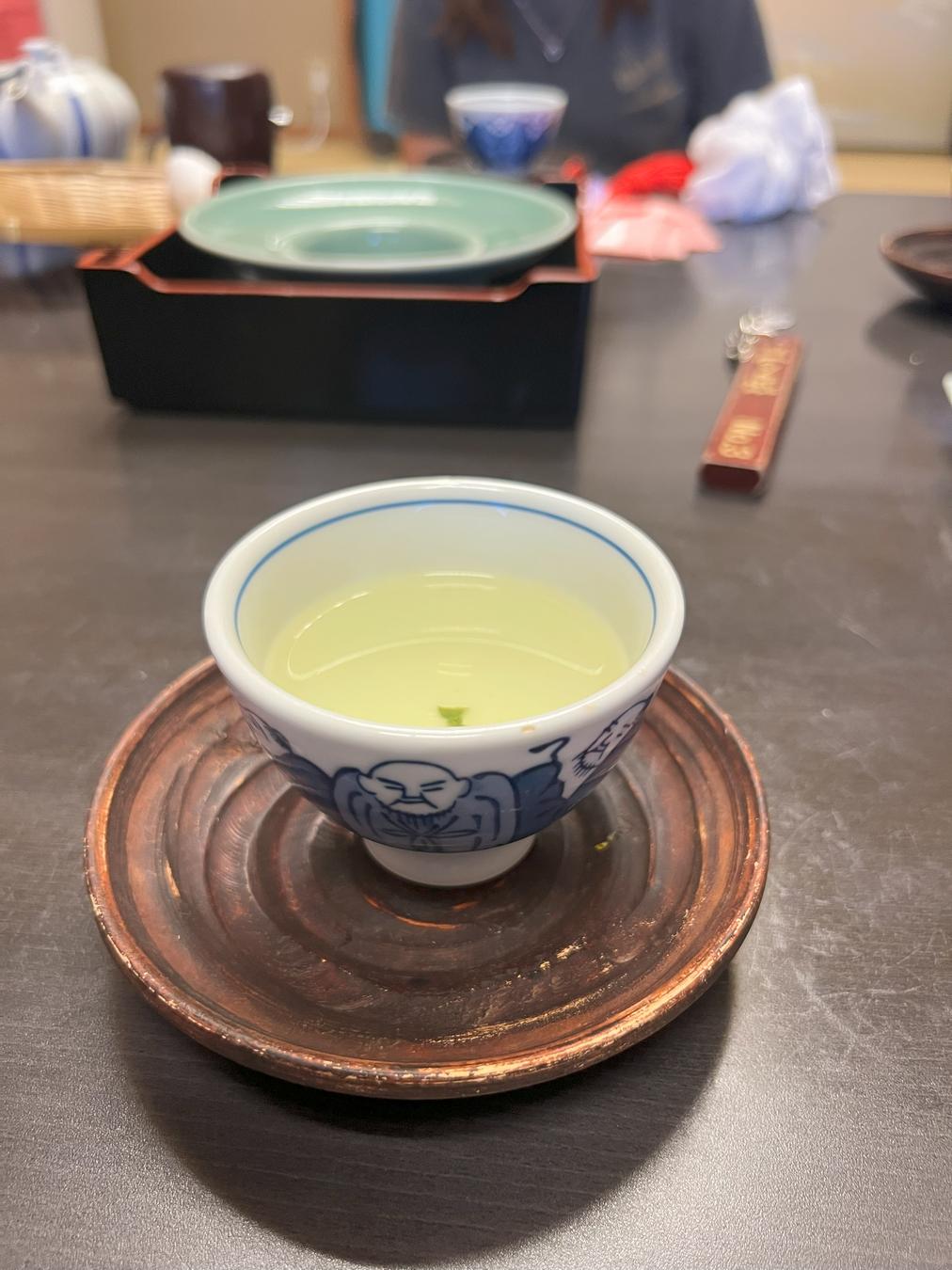
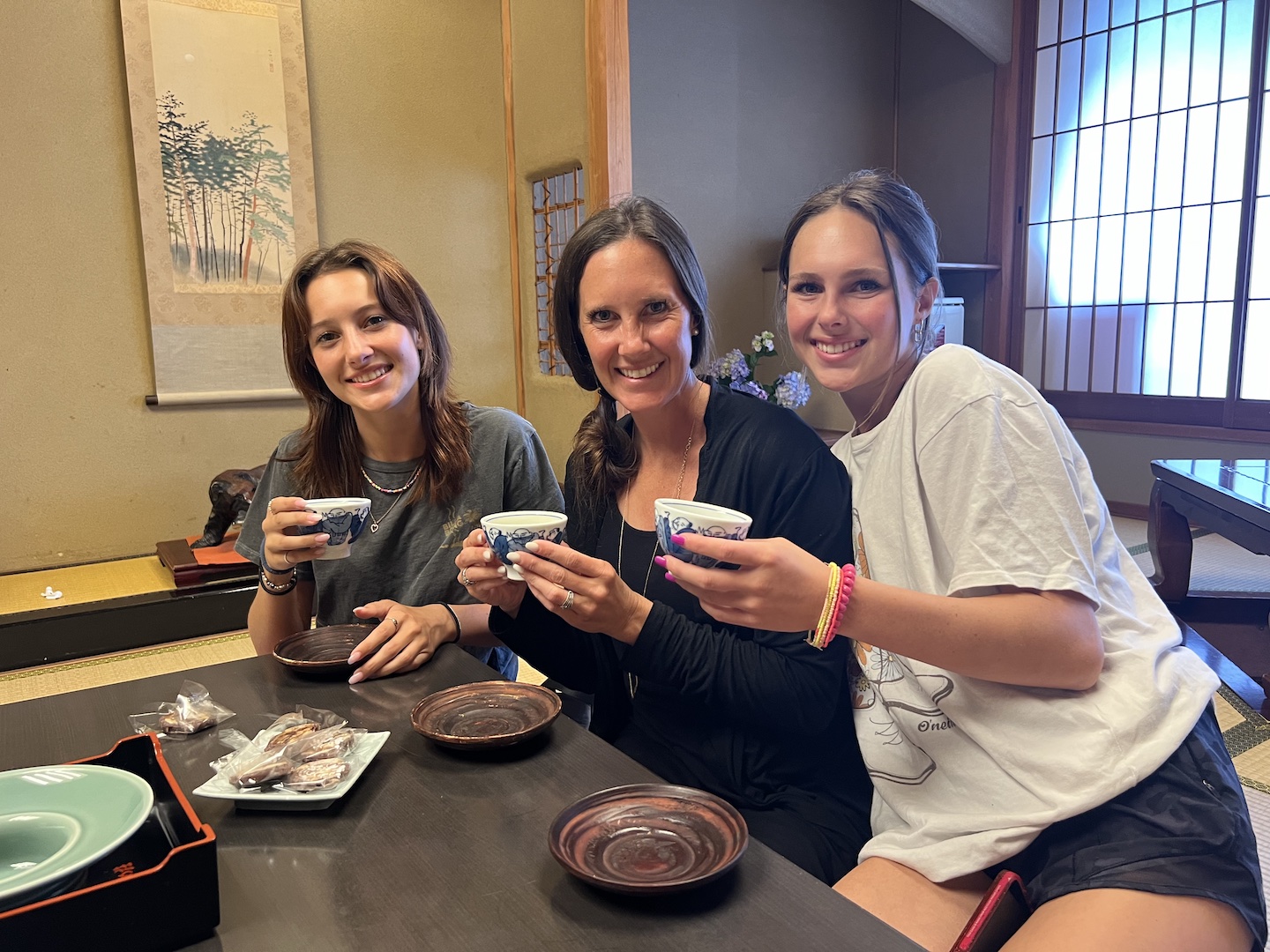
Tea ceremonies in Japan are an art, also known as chanoyu or sado. It is the ritual of preparing and serving the matcha together to create bonding and gain inner peace. Historically, it could only be practiced by zen monks and noble warlords for medicinal purposes, but now people can practice the art of tea as a hobby in the pursuit of “cherishing every moment”. The silence, respect and purification of the custom leads to a kind of meditation. Traditionally, guests sit on a tatami mat and are served small delicacies and sweets with their tea, which is prepared in a multi-step process. I was very curious about witnessing this custom for myself.
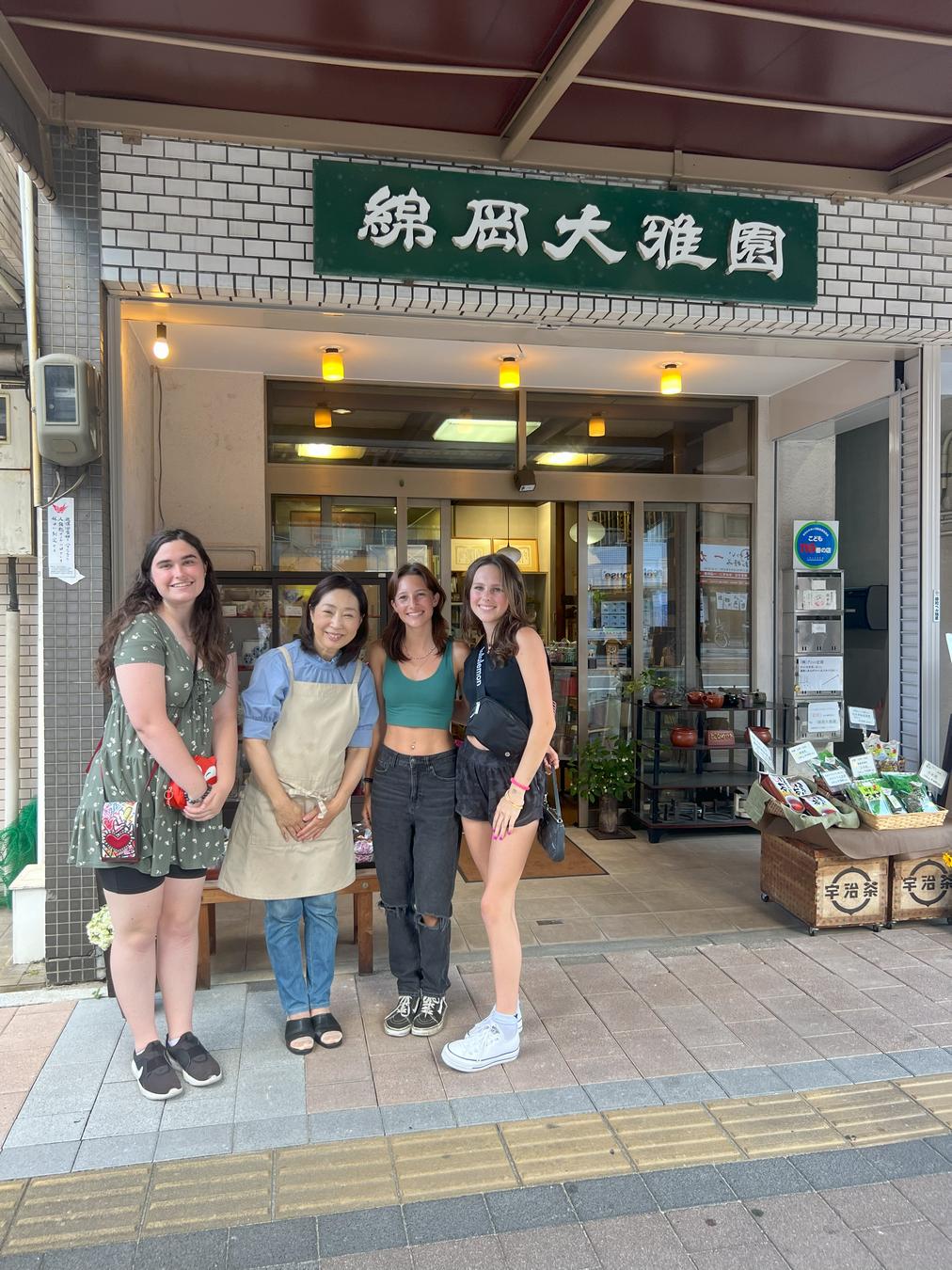
It was fated one day that we stumbled upon a tiny shop who’s owner was willing to lead us through a tea ceremony in her small back room. As she taught us the art of tea, she also shared about her life and her heritage. Her mother, Kiyoko Imori, had been a schoolgirl when the atomic bombs were dropped on the city, and her school had been only 410 meters away from the blast site. She just happened to be in the basement of the concrete school building at the time and barely survived. In fact, she was the only student at the school to survive and the only remaining member of her entire family. Although she suffered immensely through her life- emotionally and physically- battling cancers and ailments, she still spent the later years of her life in pursuit of peace. She wrote a book, If War Came to our Lives, and traveled around the world speaking to others, encouraging tolerance and forgiveness. She said “I told the children, I cannot forever talk about our experiences… when they grow up, they have to continue to tell the younger children about it.” What a legacy to leave. After the tea ceremony and some fun calligraphy, we were able to tour the Honkawa Elementary Museum for ourselves. I found it very impactful to learn these tea customs while also hearing some first hand accounts of the life of our host. It brought me to the realization that we got a true tea ceremony, because we got to experience both the tradition and the bonding relationship that tea ceremonies are meant to bring.
A side note: If War Came to our Lives is written only in Japanese, but a related book, Running with Cosmos Flowers, is written in English and available on Amazon if you are interested.
- Disneyland!
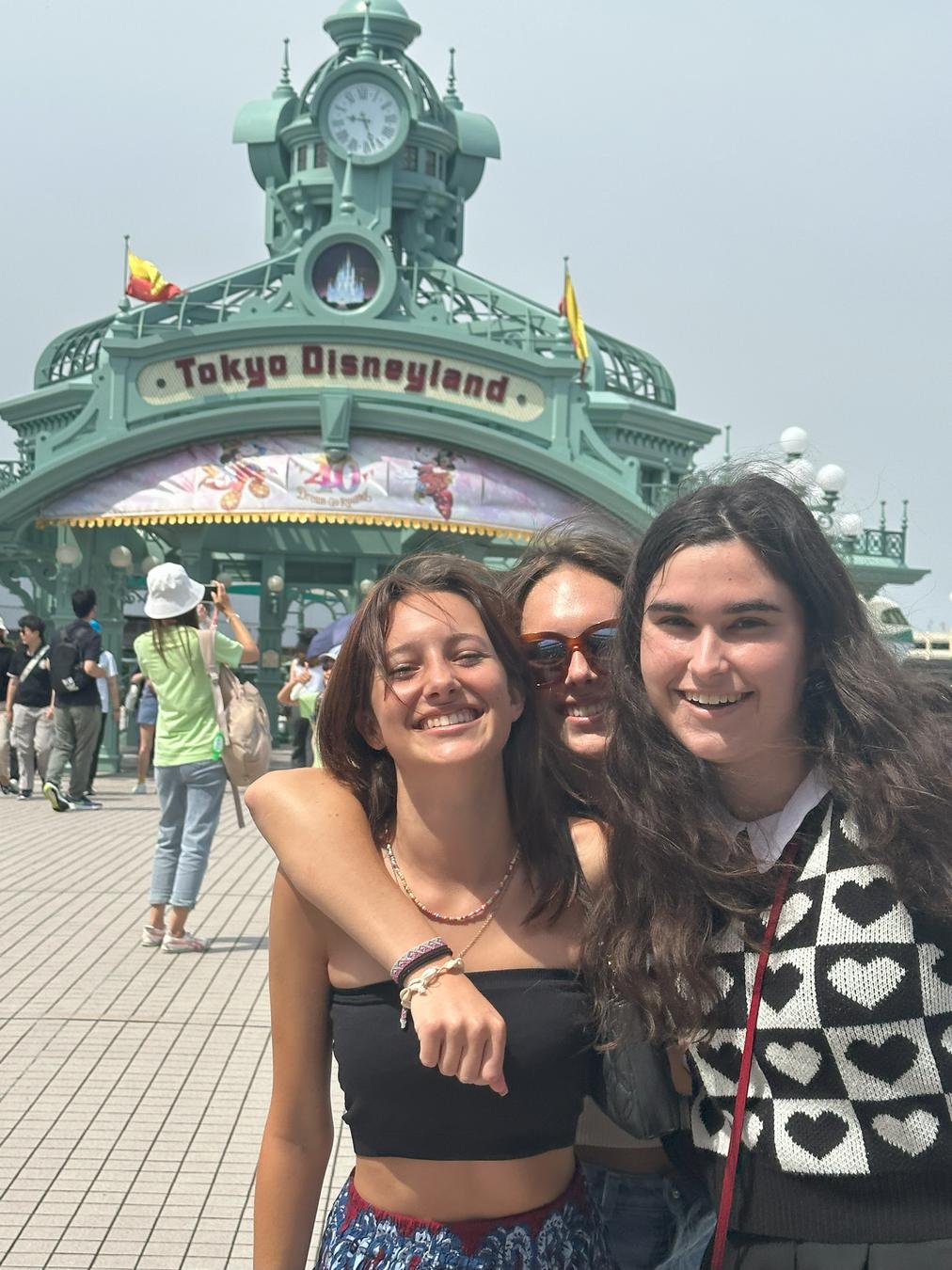
Just wow. If you are a fan, there is no coming back from Disneyland and DisneySea in Japan. The mood and the vibe is unmatched. From the moment you exit the train in Tokyo, the level of excitement and detail ramps up, and stays with you throughout your visit. No matter your age, you’ll be impressed by the decor, the rides, the characters, the shows, the food- even the toilets are amazing! The main park is mirrored to Disneyland California, with a few lovely additions. DisneySea, the companion park, is themed after water based characters including The Little Mermaid. The parks take up 115 acres just alongside the bay. They have dumplings instead of pretzels and you’ll never see a more enthusiastic character in your life. Its everything the magic of Disney is known for an worth the visit hands-down.
- The Food
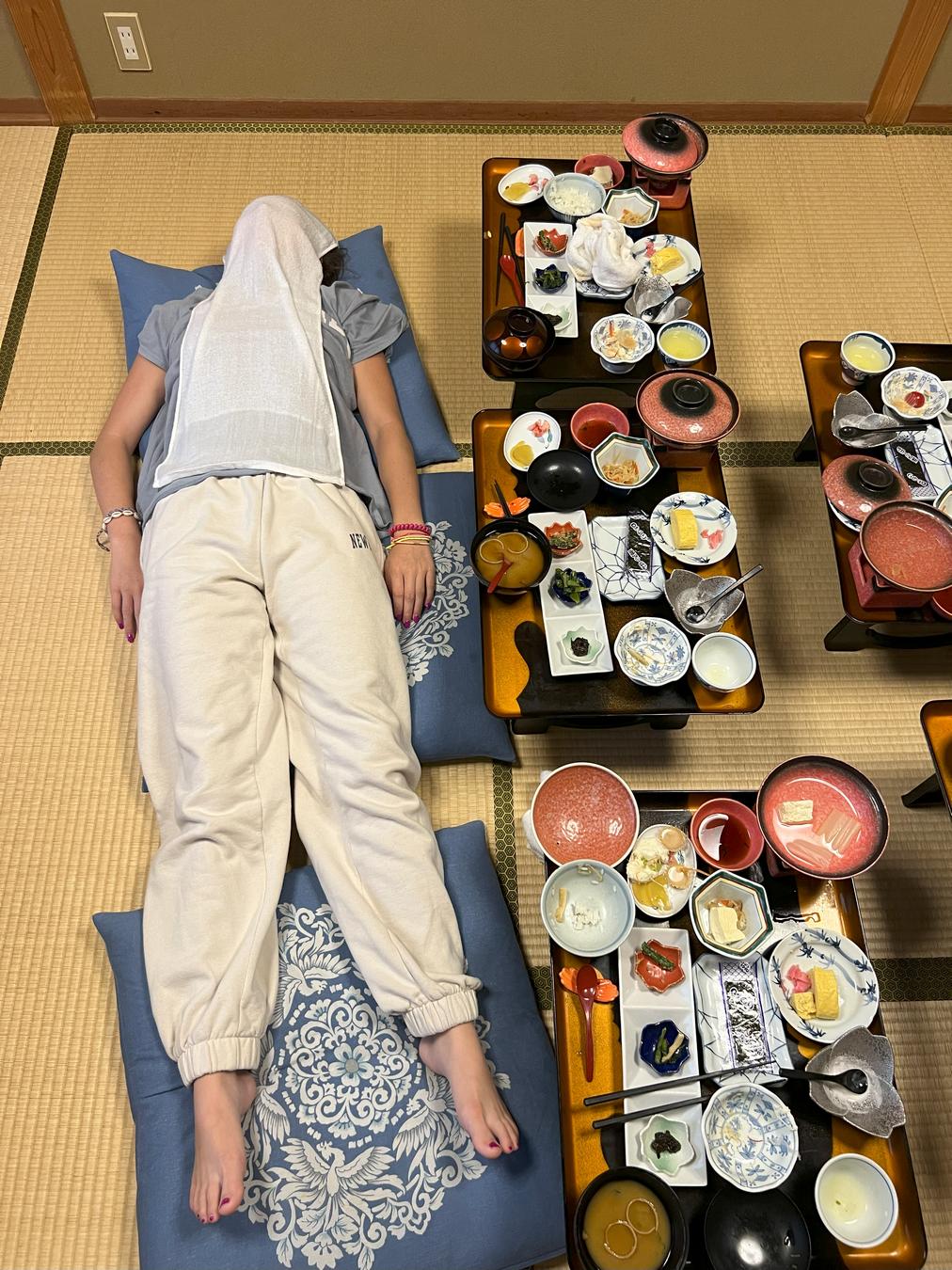
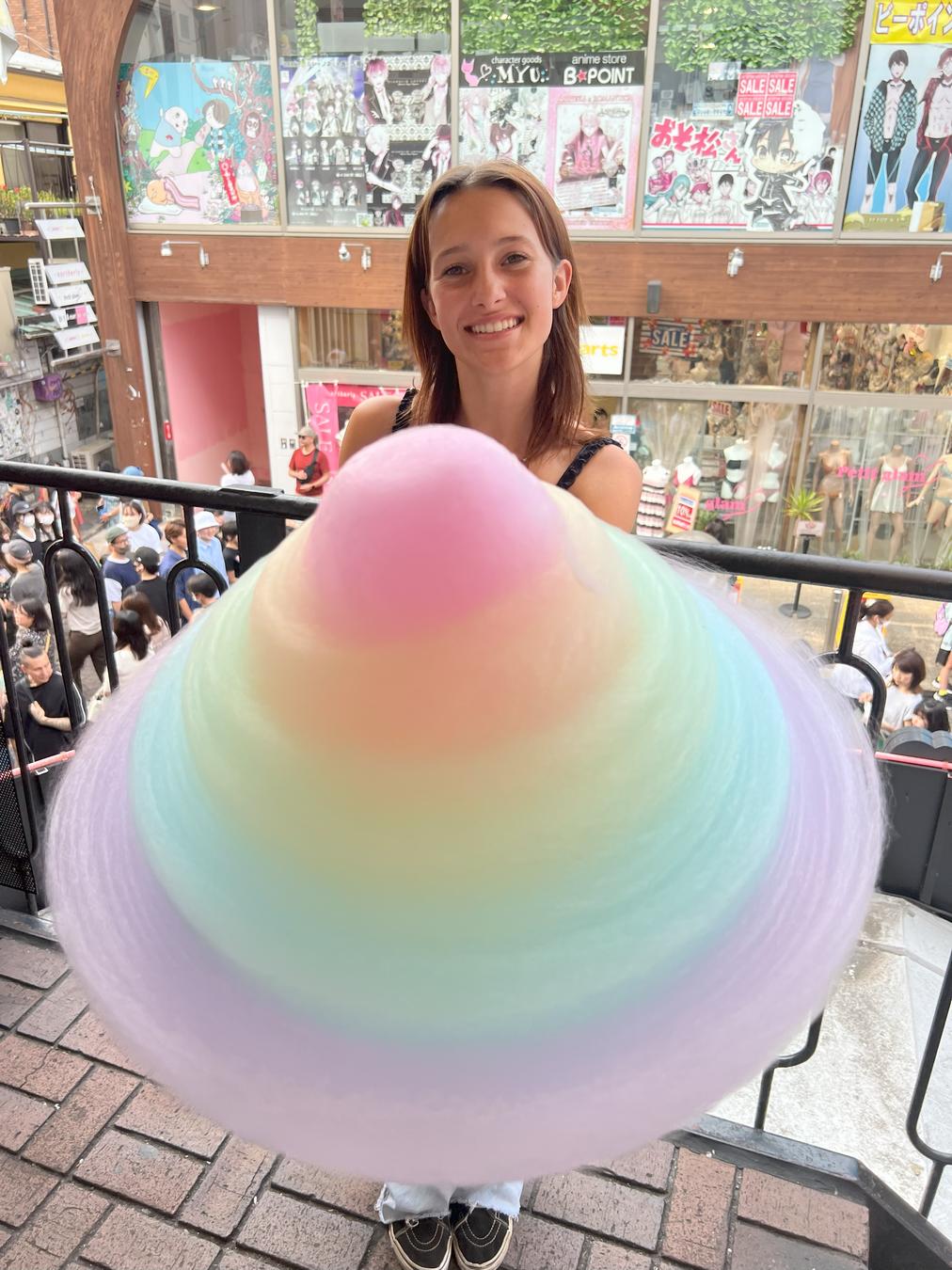
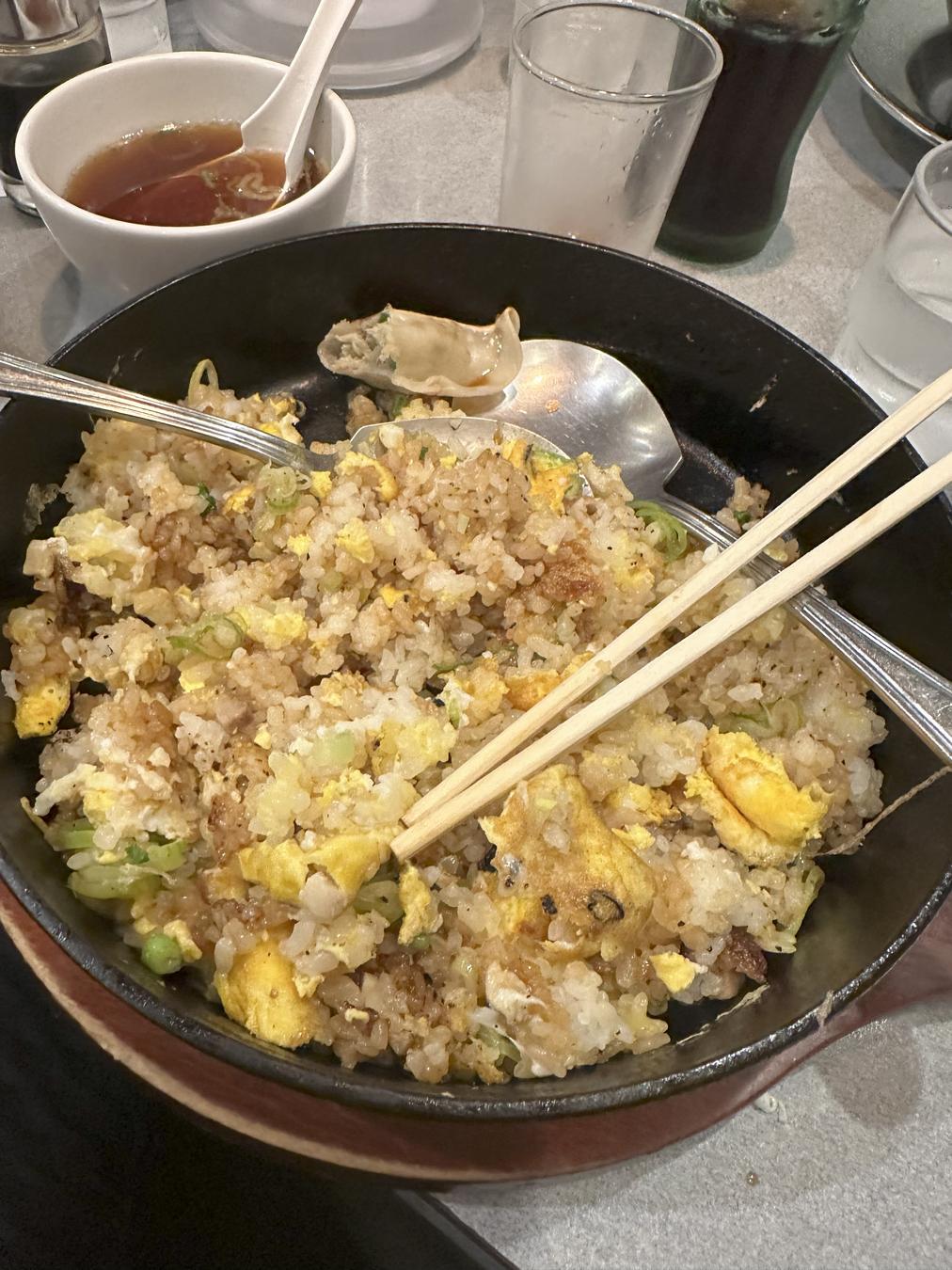
And finally, the food. The street food, the ramen from vending machines, the several course dinners. The snacks, the sweets, the sushi! I hate to even talk about the food because Lily had such a hard time eating there, but in all reality it was so so good. The subtle flavors of the dishes, fresh ingredients, the inventive ways to eat fruit. I mean, have you ever had tanghulu?! The fluffy white bread. I rarely purchase food at trains stations or airports, I just have an aversion to it. But I loved purchasing sandwiches from the train stations in Japan. And the dumplings! It was incredible, all the things, and that’s all I can say.
I could go on about Japan, and I actually may revisit the topic in a later post, but these are the 7 things that really impacted me. Japan has a unique culture, lovely people, beautiful landscapes and so much to share with visitors. Hopefully this helps you plan your future visit to the unique island nation. I know you will love it as much as I did.
More Articles

Germany Road Trip
Discover the best Germany road trip routes, from scenic drives through historic towns and fairy-tale castles to stunning alpine landscapes and cultural highlights — your ultimate travel guide for exploring Germany by car.

Epic East Coast Road Trip
Plan your ultimate East Coast road trip with this epic guide — explore iconic U.S. coastal destinations, scenic drives, historical sites, local eats, and travel tips for an unforgettable adventure from Maine to Florida.

Maui Bucket List
Discover the ultimate Maui bucket list — from hidden beaches and waterfalls to top attractions, outdoor adventures, and local experiences for the perfect Hawaiian getaway.